 Lemon
Lemon Mandarin
 Orange
 Grapefruit
 Fruits
 Vegetables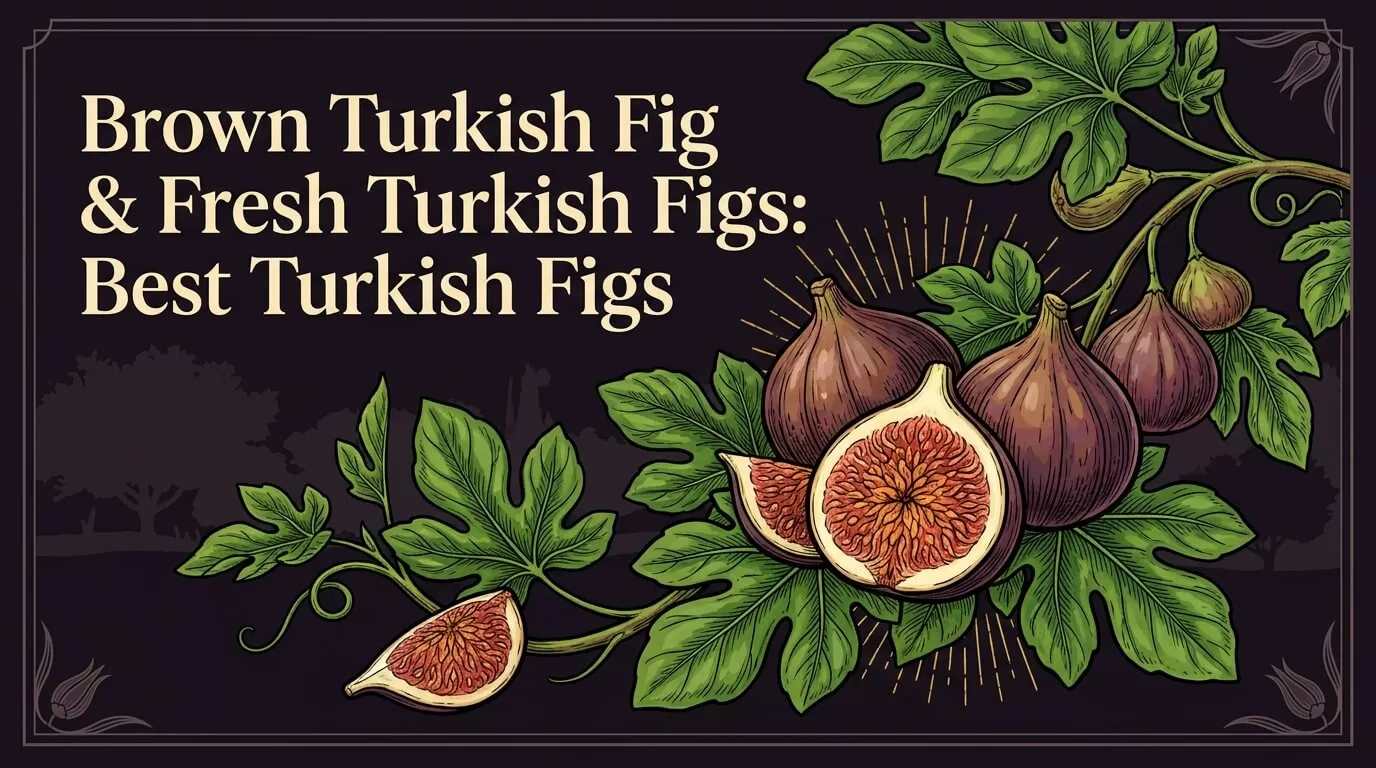
| 1. | What Is a Brown Turkish Fig, Exactly? |
| 2. | Are Fresh Turkish Figs Really Worth the Hype? |
| 3. | Why Do the Best Turkish Figs Outperform Competitors? |
| 4. | Choosing the Right Turkish Fig Supplier |
Have you ever bitten into a ripe, honey-sweet fig and wondered where it actually came from? If it tasted like something genuinely special — warm, complex, almost caramel-like — there's a fair chance it came from Turkey. Turkish figs have built a reputation across the globe that's hard to argue with, and for good reason. But what exactly makes them so sought after, and should you be paying more attention to where your figs originate?
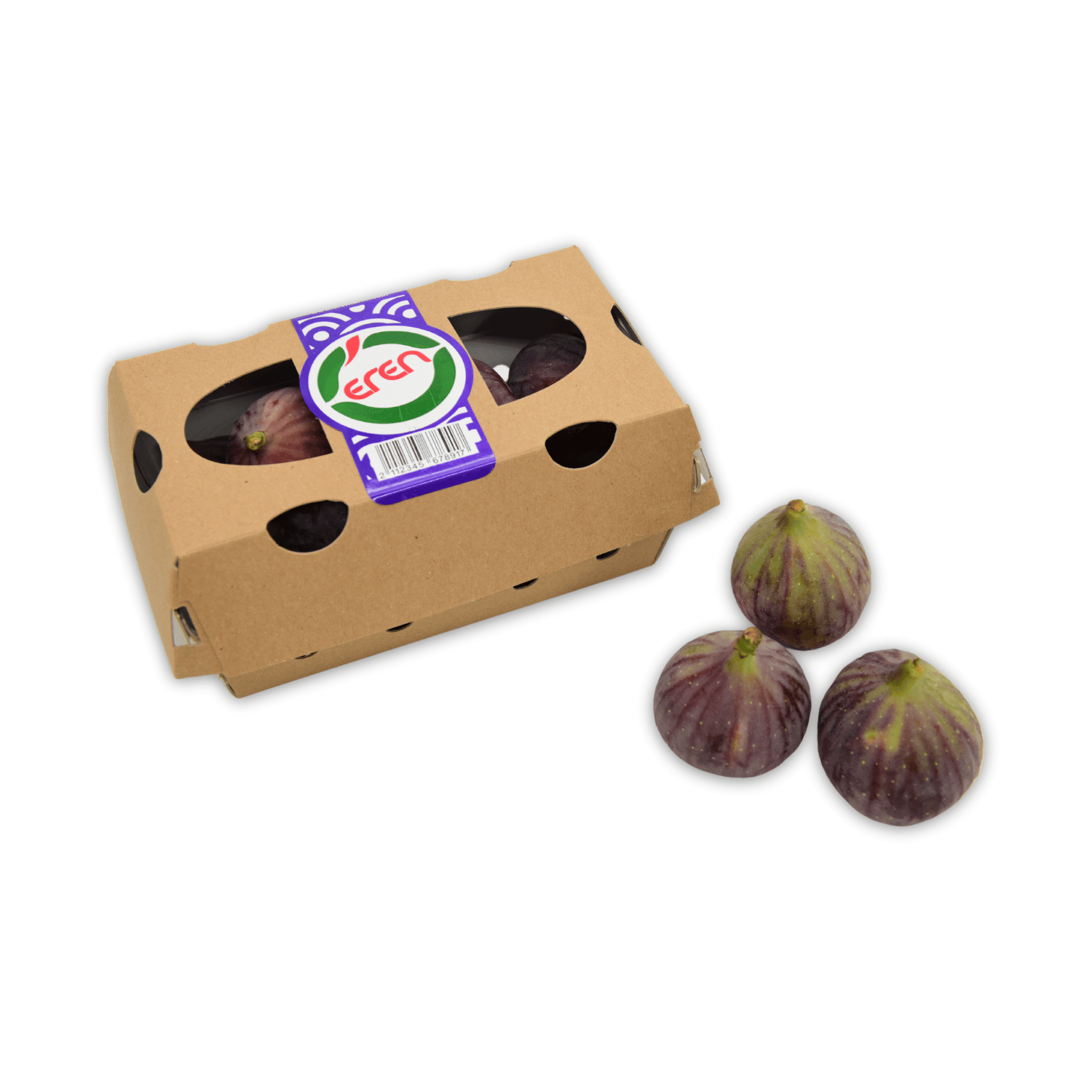
Brown Turkish Fig and Fresh Turkish Figs: What Makes Turkish Figs the Best?
Let's get straight to the heart of it. Turkey has been producing figs for thousands of years, and the climate, soil, and deep-rooted agricultural know-how all combine to produce something that other regions genuinely struggle to match. Whether you're a buyer in the vegetable import export business, a wholesale distributor, or simply a passionate food lover, understanding the difference between Turkish figs and their alternatives is worth your time.
According to market data from one of Germany's most prominent wholesale markets, roughly two-thirds of all figs sold there are Turkish. That's not a small number. The Munich-based Efendi Fruchthandels GmbH specifically highlights Turkish Bursa figs for their consistent high quality and extended shelf life compared to Italian varieties. That kind of market dominance doesn't happen by accident — it's the result of centuries of cultivation expertise and a geography that figs simply love.
What Is a Brown Turkish Fig, Exactly?
Not all figs are the same, and if you've ever seen the darker, purplish-brown varieties at a market, you've likely encountered what people call the brown turkish fig. The Bursa Black fig — sometimes referred to as brown Turkish fig in export markets — is arguably the crown jewel of Turkish fig production. Its skin leans toward a deep brownish-purple, while the flesh inside is dense, jammy, and packed with natural sugar.
This variety is the one that's turning heads in European wholesale markets year after year. Companies involved in the vegetable exporting countries trade often list it as one of the most consistent performers in terms of both shelf life and buyer satisfaction. And that shelf life point matters enormously in logistics — nobody wants their product arriving in poor condition after a long-haul journey.
| Fig Variety | Origin | Flavor Profile | Shelf Life | Market Preference |
|---|---|---|---|---|
| Bursa Black (Brown Turkish Fig) | Turkey | Rich, jammy, caramel-sweet | Long | Germany, North Europe |
| Italian Fig | Italy | Mild, slightly floral | Moderate | South Europe |
| Spanish Fig | Spain | Light, watery | Short | Local markets |
| California Fig | USA | Sweet, slightly nutty | Moderate | North America |
Are Fresh Turkish Figs Really Worth the Hype?
Short answer? Absolutely yes. The longer answer involves understanding how climate affects flavor. Turkey's Aegean and Mediterranean regions offer the kind of hot, dry summers that figs thrive in — long hours of sunshine paired with just the right amount of moisture. This combination concentrates the natural sugars inside the fruit in a way that's hard to replicate elsewhere.
Interestingly, similar observations have come from Spain's Lleida region, where extreme heat this year pushed the fig harvest forward by about fifteen days. While that early ripening boosted sugar content in the fruit, it also resulted in smaller fruit sizes — and producers there couldn't pass rising costs in fuel, labor, packaging, and transport onto retail prices. It's a contrast that highlights just how challenging fig farming can be when conditions shift unexpectedly.
Turkish producers, on the other hand, have had systems in place for decades to manage exactly these kinds of variations. Companies like Eren, established in Mersin back in 1993 and now exporting to 63 countries with over 60 product varieties, have built entire quality control departments and invested in optical sorting and sizing technology to ensure consistency year after year. When you're thinking about fresh turkish figs, this level of infrastructure makes a real difference in what lands on your shelf.
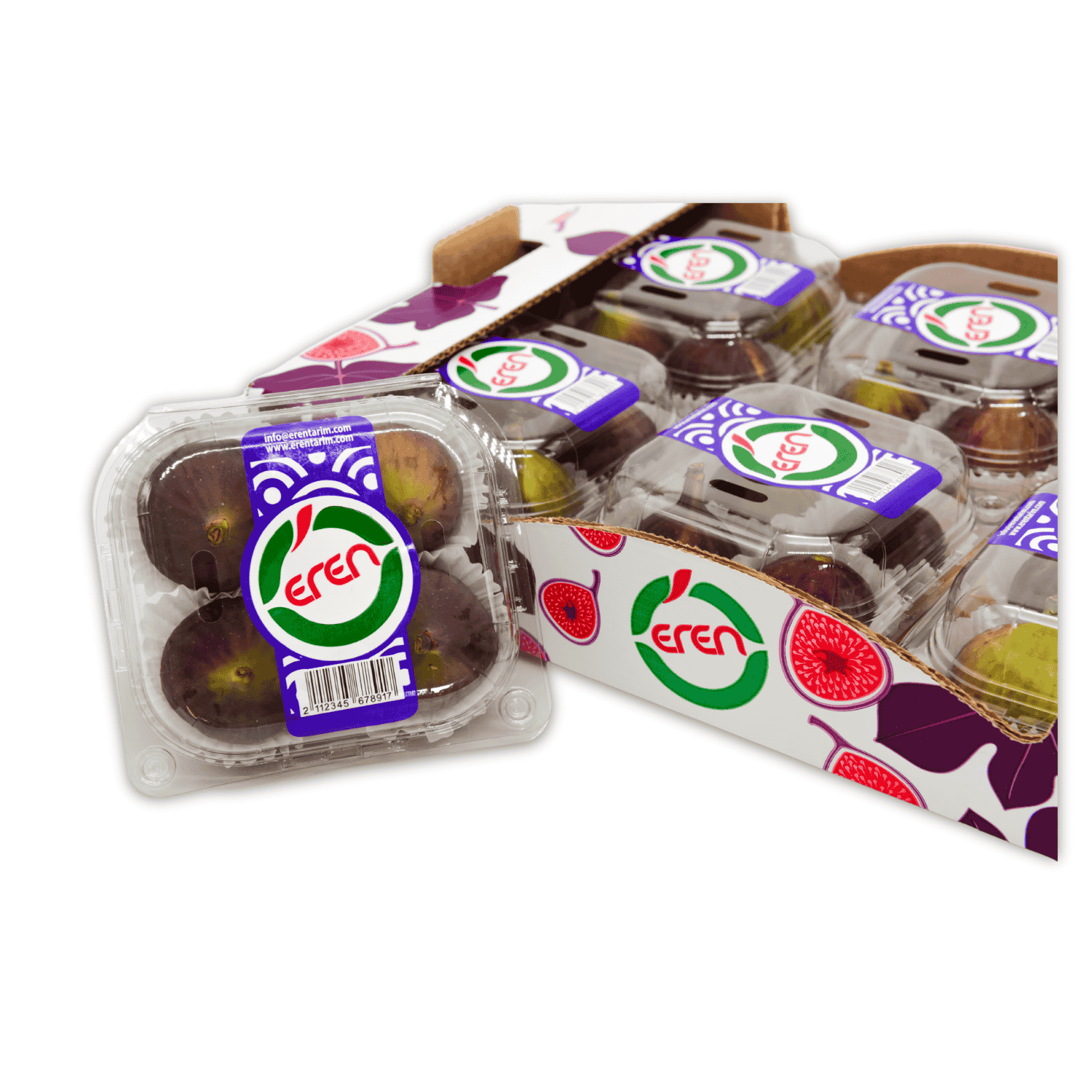
How Are Turkish Figs Packaged and Exported?
This is where things get interesting from a trade perspective. The vegetable export packing standards applied to Turkish figs have evolved significantly over the past two decades. Premium exporters now offer a wide range of packaging formats depending on the destination market — clamshells for retail, bulk trays for wholesale, and specialized cushioned packaging for air freight to more distant markets.
If you're curious about the export varieties and how they're graded, this resource on fresh Turkish figs export fig varieties you can trust breaks down what buyers should expect when sourcing from Turkey. Understanding grading standards upfront saves a lot of headaches later.
When Is the Best Time to Source Turkish Figs?
The Turkish fig season typically runs from late July through to mid-October, depending on the variety and growing region. German wholesalers like the Munich-based Efendi Fruchthandels GmbH have reported moving two to three pallets per week of Turkish figs during peak season, with demand expected to climb further once the summer holiday period winds down. The season for Bursa Black figs is expected to extend to mid-October, giving buyers a solid window to work with.
| Month | Season Stage | Availability | Notes |
|---|---|---|---|
| Late July | Early Season | Limited | First harvest batches |
| August | Peak Season | High | Best quality and volume |
| September | Mid Season | High | Strong demand post-summer |
| October | Late Season | Moderate | Season winds down mid-month |
Why Do the Best Turkish Figs Outperform Competitors?
Could it be purely geography, or is there something more deliberate going on? Honestly, it's both. The natural growing conditions in Turkey are exceptional, but the organized export infrastructure layered on top of that is what consistently delivers quality to buyers across Europe, Asia, and beyond. When you look at the best turkish figs available on the international market, they come with traceability, cold chain management, and reliable packaging — not just good flavor.
Frequently Asked Questions About Turkish Figs
Are brown Turkish figs different from regular figs?
Yes, the brown Turkish fig — particularly the Bursa Black variety — has a distinctly richer, more intense flavor than lighter-skinned varieties. The dark skin conceals a deep ruby interior with high sugar content and a jammy, almost molasses-like sweetness. They're prized in European wholesale markets for exactly this reason.
Can fresh Turkish figs be shipped internationally?
Absolutely, and it's done at scale every season. With modern cold chain logistics, proper packaging, and experienced export companies managing the process, fresh Turkish figs reach markets across Germany, the UK, Scandinavia, the Middle East, and beyond in excellent condition.
How do I know if Turkish figs are high quality?
Look for firmness without mushiness, a consistent skin color without splits, and a sweet aroma. High-quality export figs are optically sorted and graded before packing, so you can generally trust certified Turkish exporters to maintain these standards.
What makes Turkey the leading fig-exporting country?
Turkey combines ideal Mediterranean climate conditions with decades of export expertise, modern processing facilities, and a wide variety of fig types suited to different markets. This combination of nature and infrastructure is hard to beat globally.
Choosing the Right Turkish Fig Supplier
So you've decided you want Turkish figs — but how do you choose who to work with? The answer lies in experience, infrastructure, and market understanding. Companies that have been operating in the fresh produce export space for decades bring something that newer entrants simply can't replicate: they've navigated volatile seasons, fluctuating demand, and diverse market requirements across dozens of countries simultaneously. Eren, for example, speaks 7 languages in its sales department and has its own logistics division handling trucking, container, reefer, and air cargo solutions — all under one roof.
If you're serious about sourcing premium fresh produce and want a partner who understands both quality and global trade dynamics, connecting with an experienced Turkish exporter is a smart move. The fig season waits for no one, and the best allocations go to buyers who plan ahead.
Ready to explore what genuine Turkish figs can do for your business or table? Reach out to the team at Fresh Anatolia and discover what decades of expertise, 63 export markets, and an unwavering commitment to quality can bring to your supply chain. Don't let another season pass without tasting the difference.