 Lemon
Lemon Mandarin
 Orange
 Grapefruit
 Fruits
 Vegetables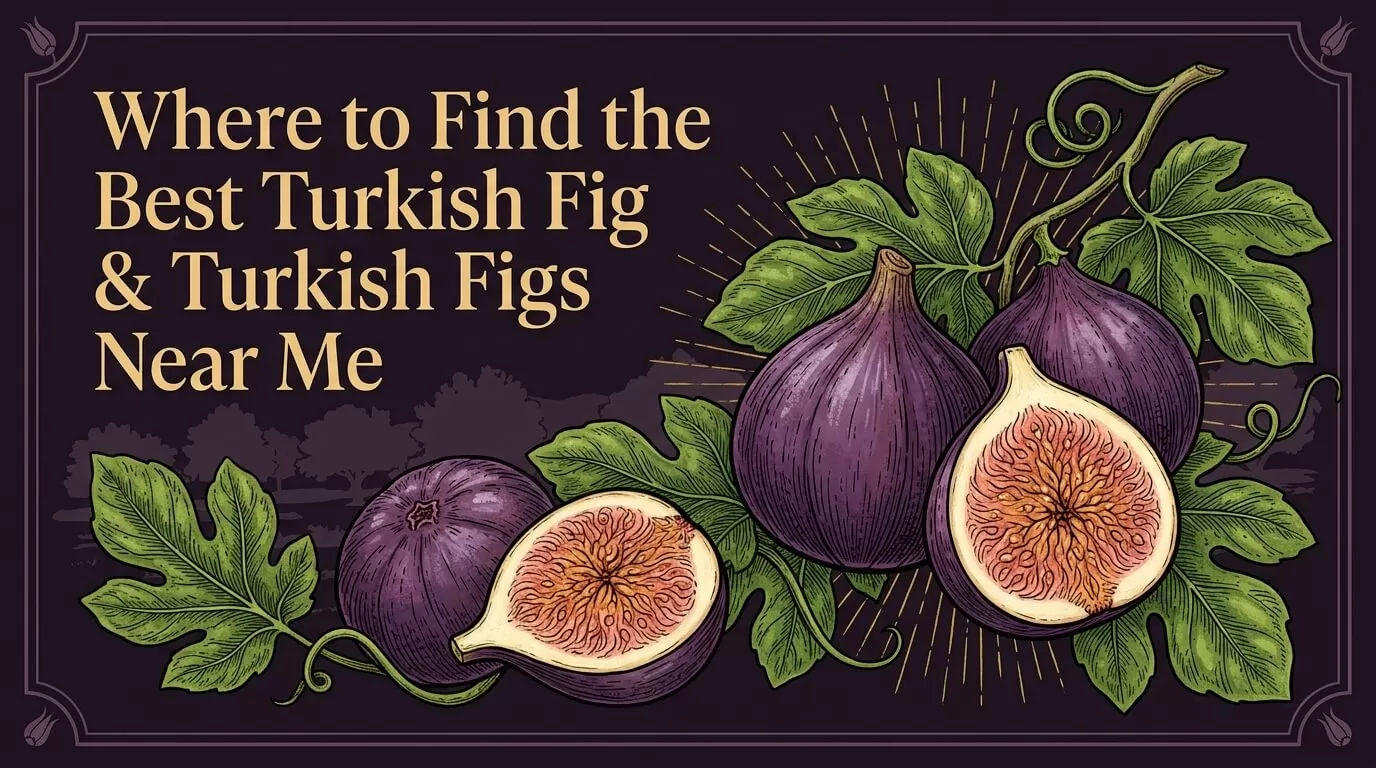
📋 Table of Contents
| 1. | Why Turkish Fig Is in a League of Its Own |
| 2. | Turkish Figs: Varieties, Seasons, and What Buyers Need to Know |
| 3. | Turkish Figs Near Me: How to Source Them the Smart Way |
Where to Find the Best Turkish Fig & Turkish Figs Near Me
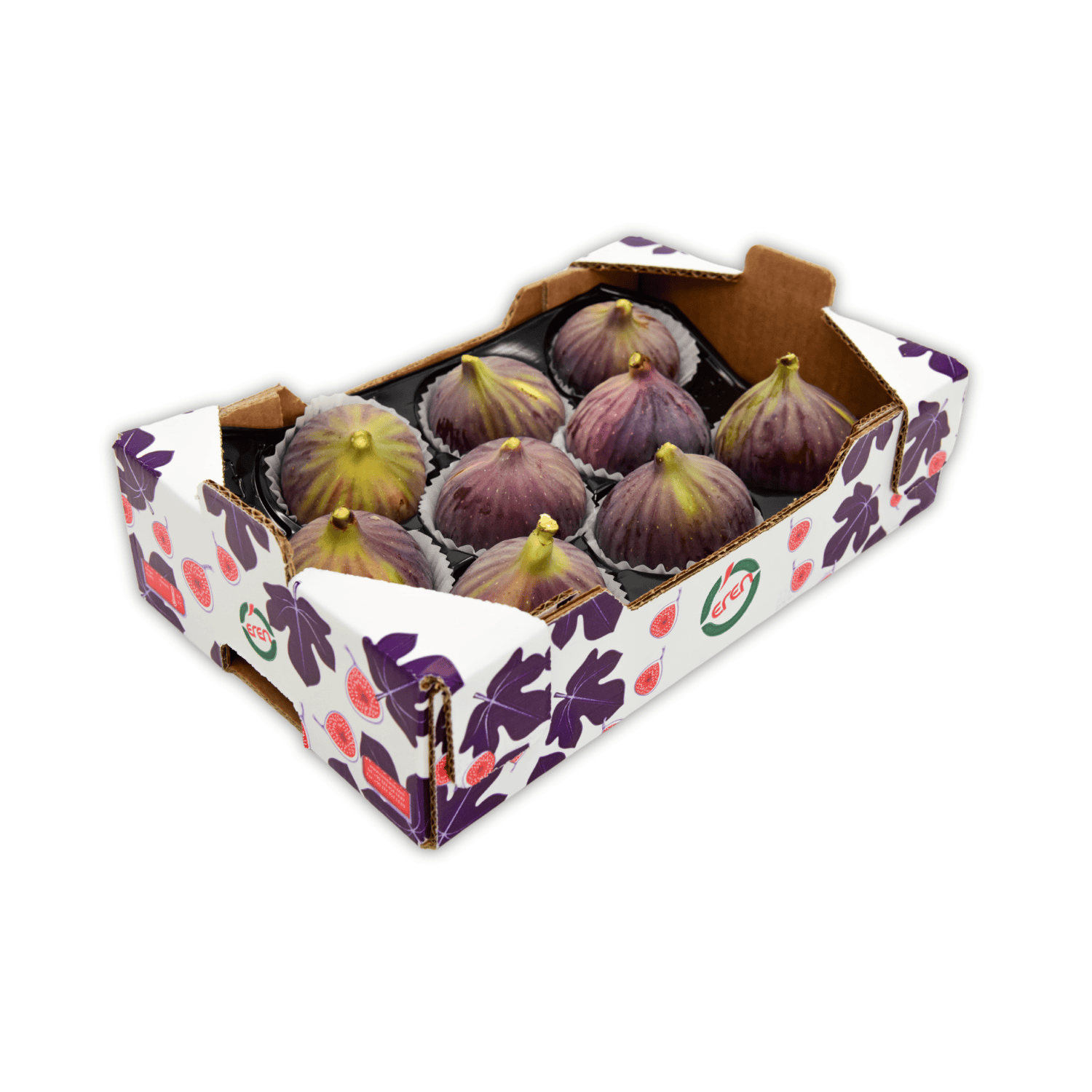
There's something genuinely extraordinary about biting into a perfectly ripe fig — that honeyed sweetness, that soft yielding texture, that unmistakable depth of flavor that no other fruit quite replicates. And if you've ever wondered where the world's finest figs actually come from, the answer is straightforward and exciting: Turkey. When people go searching for a quality turkish fig, they're chasing something that has been cultivated, perfected, and celebrated for centuries across the sun-drenched groves of the Aegean. This isn't hype — it's heritage backed by hard data and global demand that keeps climbing every single year.
Why Turkish Fig Is in a League of Its Own
Let's start with a number that should genuinely impress you: Turkey accounts for roughly 25 to 30 percent of the entire planet's fig production. That's not a regional statistic — that's a global dominance position. Annual output regularly surpasses 300,000 metric tonnes across both fresh and dried categories combined, placing Turkey firmly at the top of every international production ranking. When you think about the top vegetable exporting countries and leading fruit-producing nations in the world, Turkey belongs in every single conversation — and figs are a massive part of why.
The heartland of this production sits in the Aegean region, especially around the provinces of Aydın, Izmir, and Muğla. These landscapes have been fig country for generations. The combination of Mediterranean climate, mineral-rich soils, and warm Aegean winds creates a growing environment that's essentially impossible to replicate anywhere else on Earth. It's why buyers across Germany, France, the Netherlands, the Middle East, and North America keep coming back to Turkey season after season.
What's also worth paying attention to is the broader market trend driving this demand. Consumer appetite for Mediterranean diets, functional foods, and naturally sweet alternatives to processed sugar has been rising sharply across European and North American markets. Figs sit right at the intersection of all these trends — they're natural, nutrient-dense, culturally resonant, and genuinely delicious. That's a combination that's very hard to argue with from a commercial standpoint.
| Key Detail | Turkey's Fig Profile |
|---|---|
| Global Production Share | Approximately 25–30% of world output |
| Annual Output | Exceeds 300,000 metric tonnes (fresh + dried) |
| Primary Growing Regions | Aydın, Izmir, Muğla (Aegean) |
| Top Export Destinations | Germany, France, Netherlands, Middle East, North America |
| Main Harvest Window | Late July through October |
Turkey is genuinely one of the largest vegetable exporters in the world, and its fresh fruit game — particularly with figs — is just as formidable. The infrastructure, the expertise, and the sheer scale of production that Turkish exporters bring to the table make this origin a first-choice destination for serious buyers worldwide.
Turkish Figs: Varieties, Seasons, and What Buyers Need to Know
Not all figs are created equal, and turkish figs cover a stunning range of varieties — each with its own character, flavor profile, and ideal use case. The crown jewel of Turkish fig cultivation is the Sarılop variety, known internationally as Calimyrna. Grown predominantly in the Aydın region, this variety commands premium attention on global markets for very good reason. It's large, with an amber-green skin that practically glows, and its flavor is a beautifully balanced combination of sweetness and a distinctive nutty undertone that buyers and consumers find completely addictive. If you're exploring fresh Turkish fig export varieties for your procurement portfolio, the Sarılop should be your starting point.
Understanding the harvest calendar is non-negotiable for smart buying. Fresh Turkish figs generally hit their peak between late July and October, with the exact window shifting depending on the specific variety and the elevation of the growing area. This seasonal window is tight, which means procurement planning needs to happen well in advance. Missing the window means either waiting a full year or settling for inferior alternatives — neither of which is a great outcome for any buyer serious about quality.
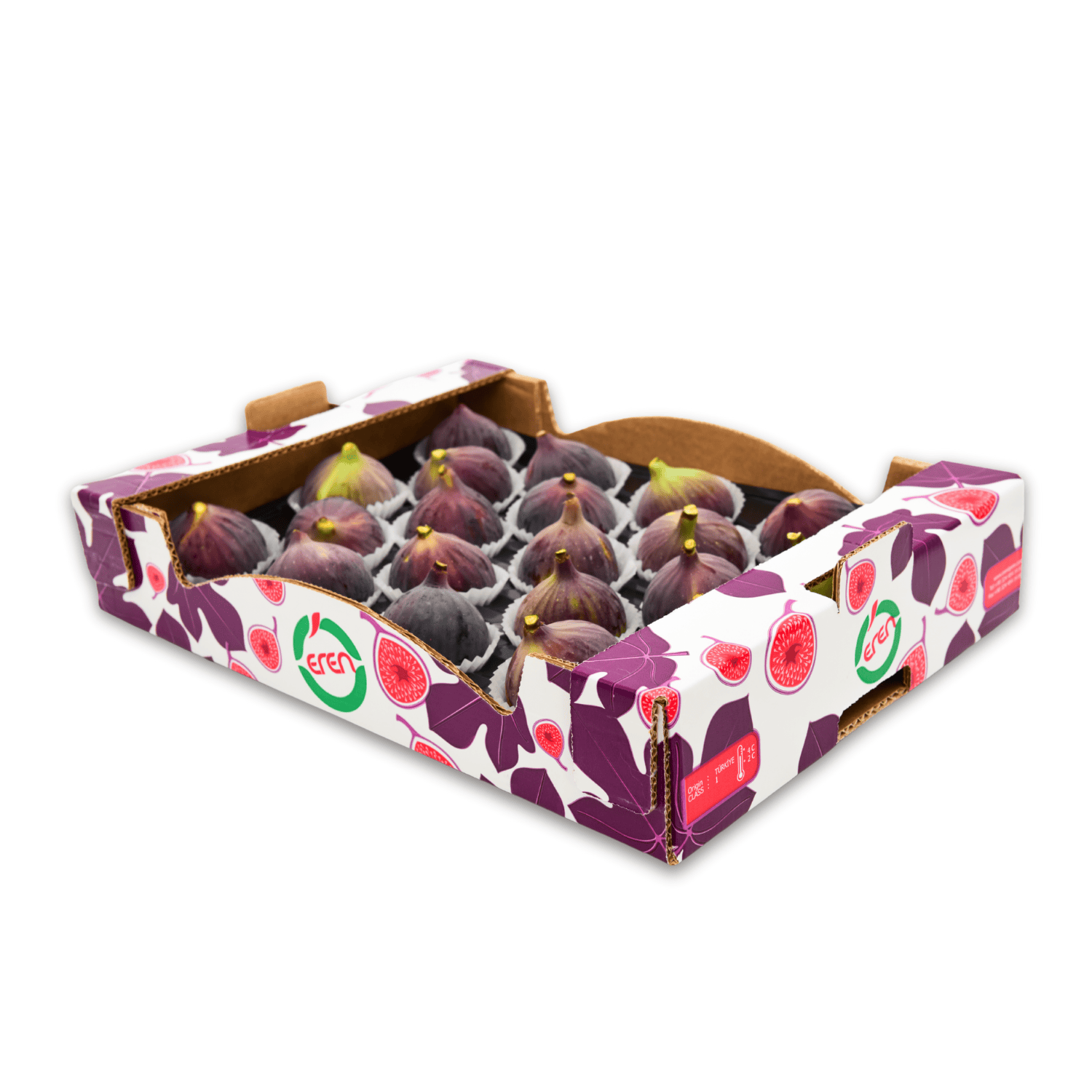
From a logistics standpoint, fresh figs are perishable by nature. Under properly managed refrigerated conditions — typically around 0 to 2 degrees Celsius with 85 to 90 percent relative humidity — fresh Turkish figs maintain their quality for approximately 7 to 10 days. This makes cold chain management an absolutely critical factor when evaluating any Turkish supplier. An exporter without a serious, documented cold chain infrastructure is a risk no buyer should take. The good news is that experienced exporters operating at scale have this dialed in with precision, using reefer containers and dedicated cold chain protocols from grove to destination.
Compliance is another dimension that deserves honest attention. Turkish fresh figs exported to European markets must meet EU food safety and phytosanitary standards, including maximum residue level compliance under EU regulations. Reputable Turkish exporters maintain full documentation and operate under internationally recognized certification frameworks, giving European B2B buyers the paper trail they need for seamless import clearance. This is part of what separates professional export-grade operations from smaller, less structured suppliers.
Comparing Fresh vs. Dried Turkish Fig Exports
Historically, dried figs have dominated Turkey's fig export volumes — and for understandable reasons. Dried figs have a far longer shelf life, making them easier to ship across long distances and store at destination markets. However, fresh fig exports have been growing steadily in share, driven by retail and foodservice demand for premium, seasonal produce experiences. Both categories represent exceptional value for buyers, and a well-connected Turkish exporter can supply across both formats depending on your market's requirements.
| Category | Fresh Turkish Figs | Dried Turkish Figs |
|---|---|---|
| Shelf Life | 7–10 days (refrigerated) | 12–24 months (ambient) |
| Market Demand | Growing — premium retail, foodservice | Established — snack, confectionery, export staple |
| Logistics Complexity | High — cold chain essential | Moderate — ambient container shipping |
| Price Point | Premium, seasonal pricing | Stable, year-round pricing |
Turkish Figs Near Me: How to Source Them the Smart Way
Here's the question that many buyers, retailers, and importers type into search engines when they're ready to get serious: where can I find turkish figs near me? It's a practical question with a genuinely exciting answer. While figs grow in Turkey, the most effective way for international buyers to access them is through direct engagement with experienced Turkish producer-exporter companies — the kind that have built their entire operation around consistent quality delivery to global markets.
International buyers typically discover and connect with Turkish fig exporters through trade portals, or by attending major food industry trade events like Fruit Logistica in Berlin and SIAL in Paris. These events are where serious volume conversations happen, where relationships are built, and where buyers get to see firsthand which exporters actually have the product quality and logistical capability to back up their promises. If you haven't attended either of these events as a buyer, they're worth prioritizing — the Turkish presence at both is consistently strong and impressive.
Working with turkish fruits and vegetables exporters who operate at a genuinely professional level means you're getting access to a complete package — not just the fruit itself, but custom packaging solutions, multi-language communication, flexible INCOTERMS options, and logistics infrastructure covering trucking, container, reefer, and air cargo routes. This is especially important for buyers in markets where speed to shelf is critical and any break in the cold chain directly impacts product quality and margins.
FAQ: Everything You Want to Know About Sourcing Turkish Figs
When is the best time to place a wholesale order for fresh Turkish figs?
Planning ahead is everything with fresh figs. The main harvest window runs from late July through October, so buyers should initiate conversations and place orders well before the season opens to secure allocation, preferred grades, and competitive pricing. Early engagement is always rewarded.
What varieties of Turkish figs are available for export?
The Sarılop (Calimyrna) variety is the most internationally recognized and commercially prized, known for its large size, amber-green skin, and sweet-nutty flavor. Other varieties are available depending on the season and specific growing region, and a good exporter will guide you through what's available at peak quality during your target window.
Do Turkish fig exporters comply with EU food safety standards?
Yes. Export-grade Turkish fig suppliers operating at a professional level maintain full compliance with EU phytosanitary requirements and maximum residue level regulations. Documentation, certification, and quality control records are available for buyer review as part of a transparent sourcing relationship.
How are fresh Turkish figs transported to international markets?
Cold chain integrity is everything. Reputable exporters use refrigerated container shipping with precise temperature and humidity control, as well as air cargo solutions for buyers who need speed over volume. Shelf life under optimal conditions is 7 to 10 days, so logistics planning is a critical part of the sourcing equation.
Can I get custom packaging and labeling for Turkish fig wholesale orders?
Absolutely. Experienced Turkish exporters who work across dozens of international markets are highly practiced in adapting packaging formats, box sizes, labeling languages, and retail-ready presentations to meet the specific requirements of different destination markets.
Why EREN Is Your Ideal Partner for Turkish Figs
Founded in Mersin in 1993, EREN started out as a focused citrus export business and has evolved into one of Turkey's most respected and capable fresh produce export companies. Today, EREN exports over 60 product varieties to 63 countries worldwide — and figs are firmly part of that impressive portfolio. Their state-of-the-art production facility in the Tarsus region features optical sizing and sorting technology, a dedicated quality control department, and an in-house logistics arm covering trucking, container, reefer, and air cargo solutions across virtually every global destination.
What truly sets EREN apart is the depth of operational experience behind every shipment. With seven languages spoken in the sales department and a peak-season workforce exceeding 1,000 personnel, EREN has the scale, the communication capability, and the cultural fluency to serve buyers from Germany to Singapore, from Canada to the Gulf, without missing a beat. They understand that different markets have different packaging preferences, labeling regulations, and logistical requirements — and they've built their entire operation around meeting all of them seamlessly.
If you're ready to move beyond generic sourcing and discover what genuinely premium Turkish figs can do for your business — whether you're a retailer, distributor, or importer — now is the time to reach out to the EREN team. They've been bringing the finest produce from Anatolia to the world since 1993, and they're ready to make your next fig season the best one yet. Connect with EREN today and let's talk figs.