 Lemon
Lemon Mandarin
 Orange
 Grapefruit
 Fruits
 Vegetables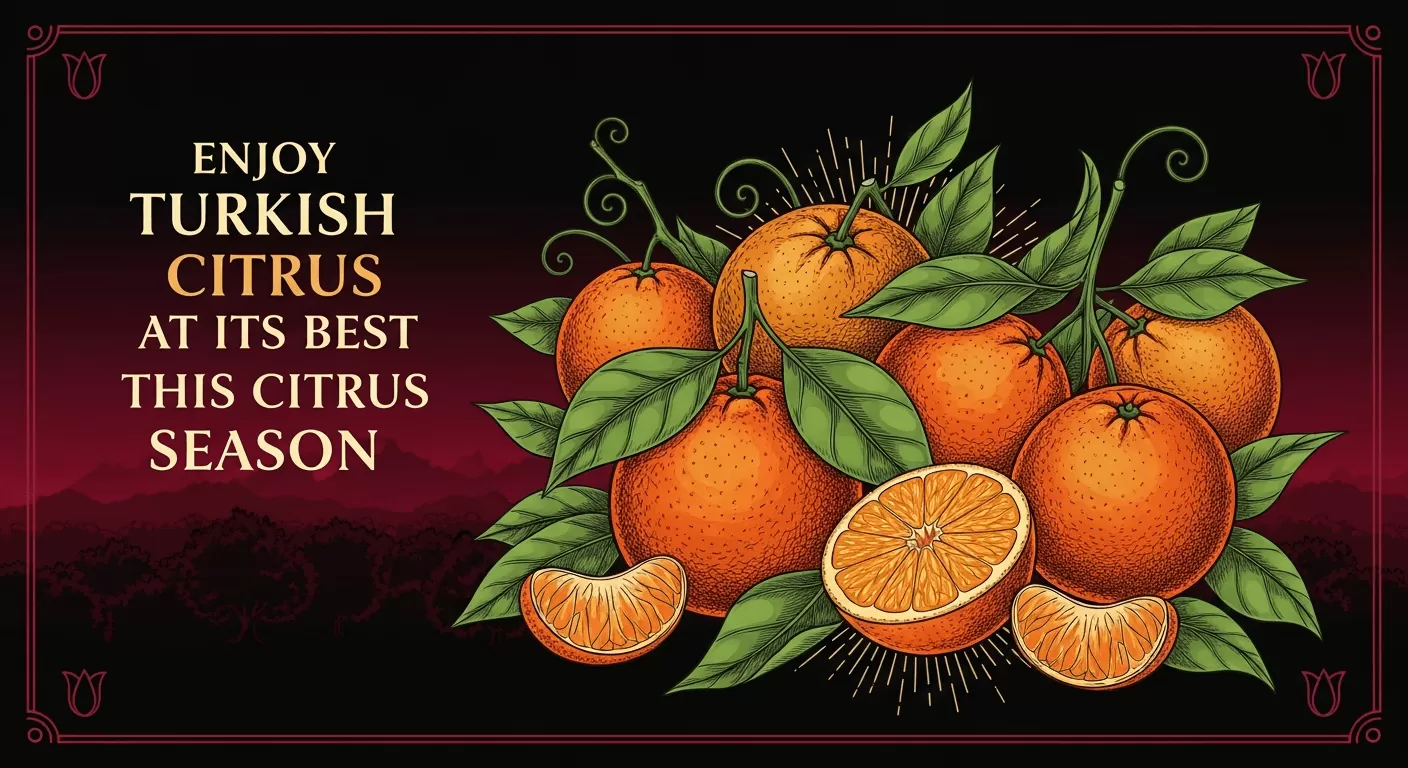
📋 Table of Contents
Enjoy Turkish Citrus at Its Best This Citrus Season
There is something undeniably satisfying about peeling open a perfectly ripe mandarin or slicing through a juicy lemon at the height of the season. The aroma alone is enough to make you stop and appreciate what nature — and the right growing conditions — can produce. Turkish citrus has long been recognized across global markets for exactly this kind of quality, and as we head into the peak period, there has never been a better time to explore what Turkey has to offer on the citrus front. Whether you are a wholesale buyer, an importer, or simply someone who cares deeply about where their fruit comes from, this is a story worth knowing.
Turkish Citrus Season: Everything You Need to Know About Seasonal Citrus from Turkey
Turkey sits at a remarkable geographic crossroads that makes it naturally suited for growing citrus. The Mediterranean and Aegean coastlines provide the warm temperatures, ample sunshine, and mild winters that citrus trees genuinely thrive in. Regions like Mersin, Antalya, and Adana have built their agricultural identities around citrus cultivation, producing everything from lemons and grapefruits to mandarins and oranges at commercial scale. For buyers looking to source from an origin that combines volume, quality, and reliable logistics, Turkey remains one of the most compelling options available anywhere in the world.
To understand just how well-timed Turkish citrus is for global markets, it helps to look at what is happening globally. For instance, India recently made headlines with a trial export of the GI-tagged Khasi Mandarin from Meghalaya to Dubai — a sign that new origins are entering the international citrus conversation. Northeast Indian states have seen agricultural exports grow by as much as 85.34 percent over the last six years, reaching $17.2 million with the Middle East, UK, and Europe as key destinations. This growth is notable, but it also underlines just how established Turkey already is in these same markets, having built deep relationships and logistics infrastructure over decades.
Why the Citrus Season in Turkey Is Worth Tracking Closely
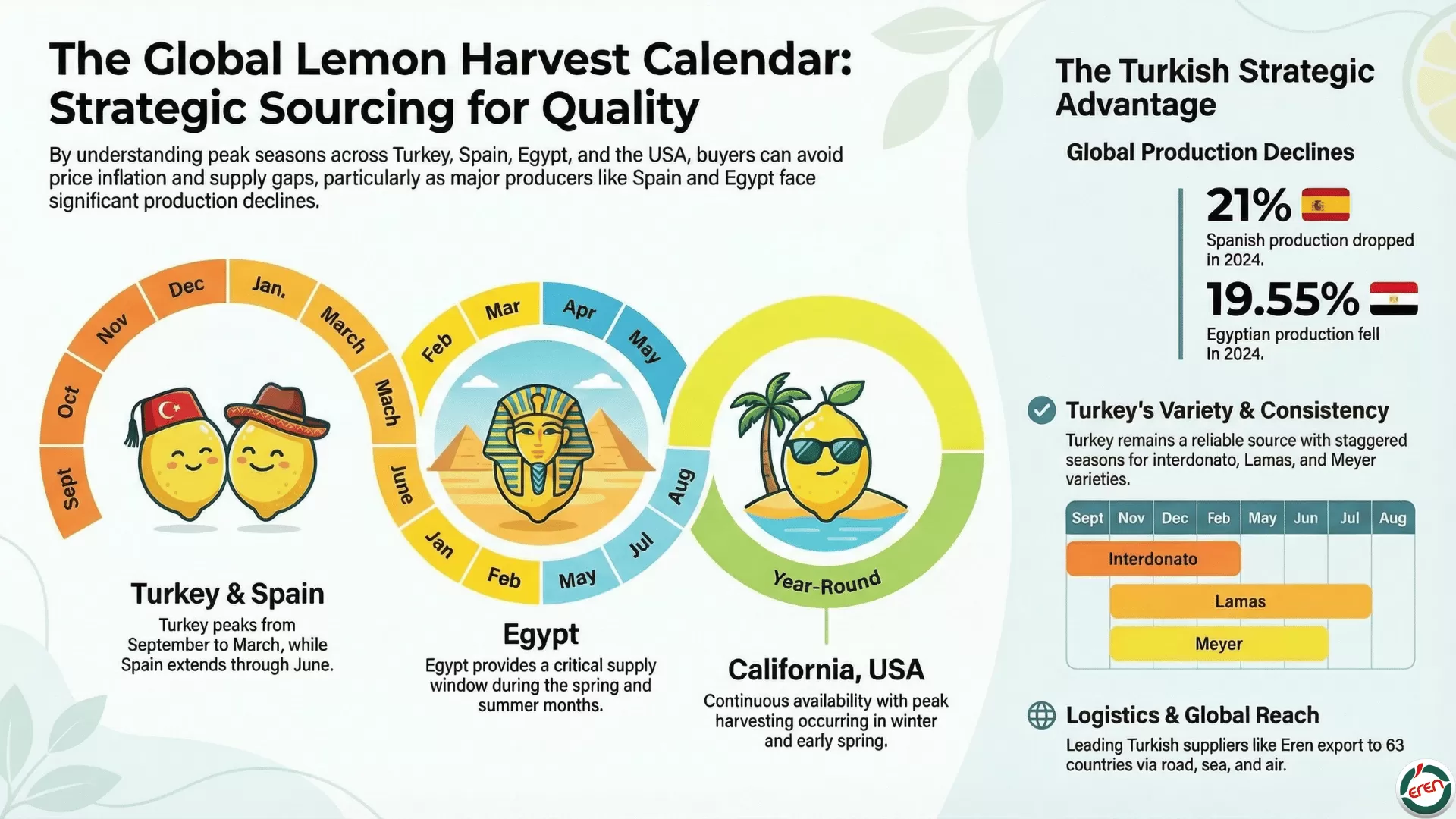
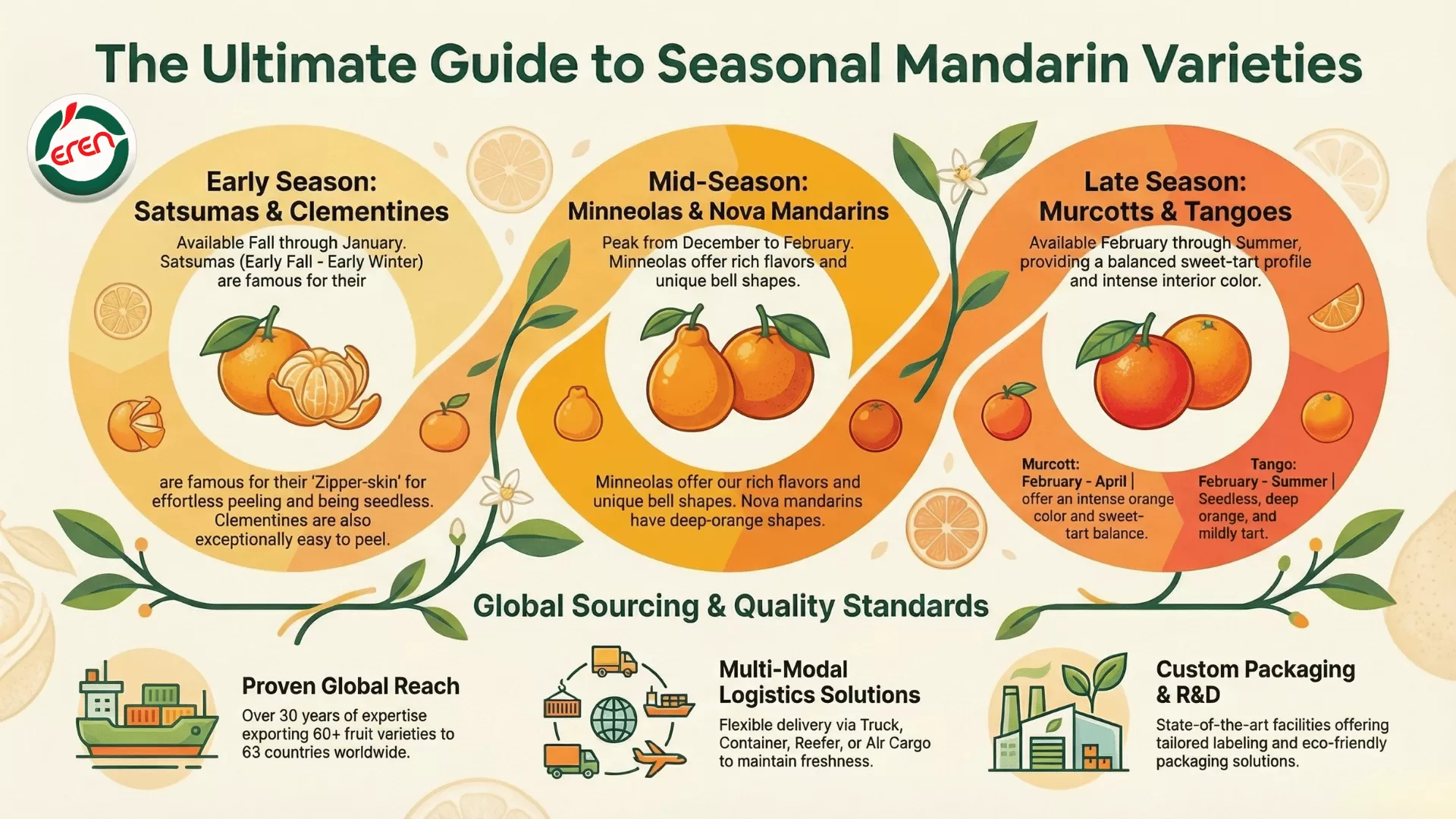
The citrus season in Turkey does not operate as a single narrow window. Different varieties come into peak ripeness at different times, creating a staggered supply calendar that benefits importers enormously. Lemons are available for much of the year, while mandarins tend to peak from October through February. Navel oranges follow a slightly different rhythm, and specialty varieties add further depth to the calendar. This extended availability means that buyers who develop strong relationships with Turkish suppliers can maintain fresh citrus in their supply chains far longer than they could with many other origins.
Modern orchard management practices across Turkish citrus-growing regions have also contributed significantly to fruit quality improvements in recent years. Drip irrigation, sophisticated pruning programs, and post-harvest handling technologies have all been adopted more widely, translating into better firmness, improved shelf life, and more consistent sizing when the fruit arrives at destination markets. These improvements matter enormously in competitive retail environments where consumer expectations are high and wastage directly impacts margins.
The Range of Seasonal Citrus Turkey Produces
One of the most compelling aspects of working with Turkish citrus suppliers is the sheer variety available. Turkey does not export just one or two citrus types — it produces a genuinely diverse portfolio of seasonal citrus that can serve multiple market segments simultaneously. This means a single supplier relationship can often cover the needs of buyers across retail, food service, and processing industries without requiring multiple sourcing partnerships.
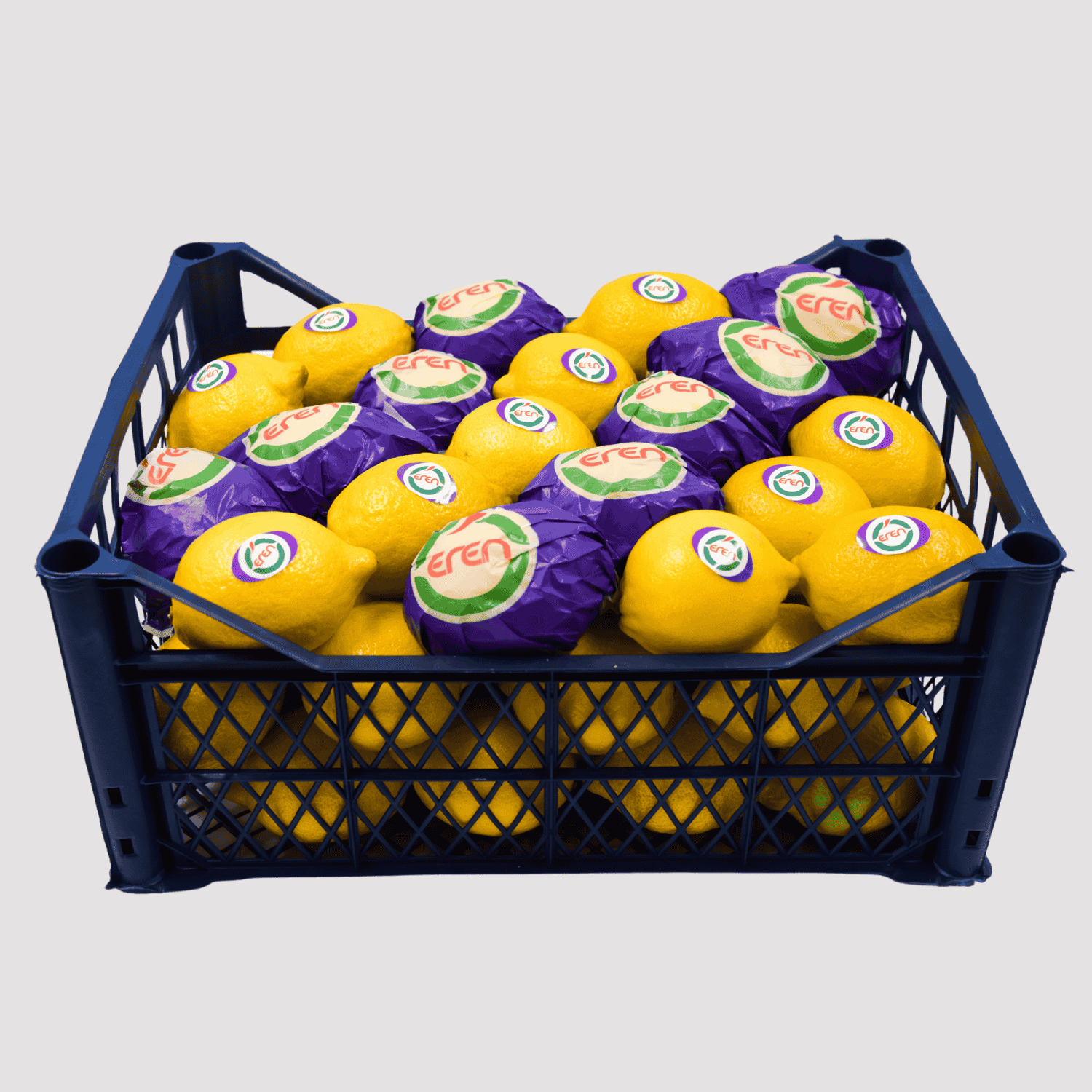
- Lamas Lemon — grown in the Mersin region, known for its intense aroma and high juice content
- Navel Orange — widely cultivated with excellent sweetness and easy-peel characteristics
- Mandora Mandarin — a popular variety prized for its balance of sweetness and acidity
- Grapefruit — grown in warmer coastal zones, appealing to health-focused consumers
- Clementine — compact, seedless, and enormously popular in European retail markets
Each of these varieties fits into the broader seasonal calendar in a way that keeps Turkish citrus relevant to buyers throughout the autumn, winter, and spring months. Importers who understand this seasonal rhythm — and who work with suppliers capable of navigating it smoothly — gain a genuine competitive advantage in their own markets. If you want a comprehensive look at how the full year unfolds, this Turkish citrus fruit season guide breaks down the availability calendar in useful detail.
| Citrus Variety | Peak Season | Key Growing Region | Primary Export Markets |
|---|---|---|---|
| Lamas Lemon | October – March | Mersin (Tarsus) | Russia, EU, Middle East |
| Navel Orange | November – February | Adana, Antalya | Eastern Europe, Gulf States |
| Mandora Mandarin | October – January | Mersin, Hatay | Northern Europe, Asia |
| Clementine | November – December | Aegean Coast | Western Europe |
| Grapefruit | January – April | Mediterranean Belt | Russia, Scandinavia |

What Global Citrus Dynamics Tell Us About Turkey's Advantage
The global citrus trade is not without its complications. Legal and regulatory challenges can affect even established producers — a recent case from South Africa's Western Cape High Court saw Meiring Citrus lose a tax dispute over a $560,000 self-insurance deduction, with the court ruling that the arrangement did not qualify as an insurance contract under the law. While this is a specific legal matter, it highlights the broader point that running a citrus export business involves navigating complex regulatory, financial, and compliance landscapes. Producers and exporters who have mature institutional frameworks are better positioned to manage these challenges without disrupting supply to their buyers.
Turkey's citrus export sector benefits from decades of accumulated experience in exactly this kind of institutional maturity. Exporters who have been operating since the early 1990s have built up compliance knowledge, market-specific documentation expertise, and long-standing customs relationships that newer origins simply cannot replicate overnight. This depth of experience directly reduces risk for international buyers who depend on consistent, on-time delivery.
The Role of Packaging and Logistics in Citrus Export Success
Quality fruit alone does not guarantee success in international markets. The way that citrus is packed, handled, and transported has an enormous impact on arrival condition, shelf life, and ultimately on how the end consumer experiences the product. The vegetable export packaging principles that apply across fresh produce are equally critical for citrus — proper ventilation, appropriate box weights, appropriate pallet configurations for the destination market, and compliance with importer-specific labeling requirements all need to be managed precisely.
Turkish exporters who have invested in modern packing lines, optical sorting equipment, and quality control systems have a clear advantage here. Fruit that arrives uniform in size, free from visible defects, and within the agreed weight tolerances builds confidence with buyers over time and supports premium pricing in competitive retail environments. For importers who are also running a vegetable export business alongside their citrus procurement, working with a supplier capable of handling both fresh fruit and vegetables from the same facility can streamline logistics significantly and reduce overall sourcing complexity.
Nutritional and Consumer Demand Trends Driving Citrus Growth
Understanding why citrus demand remains so robust globally is important context for any buyer considering their sourcing strategy. Citrus fruits are among the most universally recognized sources of vitamin C, and consumer awareness around immune health has only intensified in recent years. Beyond vitamin C, citrus fruits contain flavonoids, folate, potassium, and dietary fiber — a nutritional profile that aligns well with the preferences of health-conscious shoppers across every demographic.
Premium retail formats have also been expanding their citrus ranges, moving beyond basic commodity offerings toward specialty varieties with distinct flavor profiles, organic certifications, and origin-specific branding. Turkey's diverse citrus portfolio — from the intensely aromatic Lamas lemon to the sweet-tart Mandora mandarin — gives importers genuine flexibility in building product ranges that appeal across these different consumer segments.
| Consumer Segment | Preferred Citrus Type | Key Purchase Driver |
|---|---|---|
| Health-Conscious Shoppers | Lemons, Grapefruit | Vitamin C, Low Sugar |
| Families with Children | Mandarins, Clementines | Easy to Peel, Sweet Flavor |
| Food Service / HoReCa | Lemons, Oranges | Consistent Size, Juice Yield |
| Premium Retail | Specialty Varieties | Origin Story, Visual Appeal |
About Eren — A Citrus Grower and Exporter Built for Global Markets
Eren was founded in Mersin in 1993 with a focused mission: export high-quality citrus to Russia and South European markets. What began as a compact operation has evolved over three decades into one of Turkey's most comprehensive fresh produce exporters. After relocating to a dedicated production facility in the Tarsus region in 2006, Eren expanded its reach into Southeast Asia, Canada, Africa, and Northern Europe, adding fresh fruits and vegetables alongside its core citrus range. Today, Eren exports to 63 countries across six continents and manages over 60 product varieties.
What genuinely sets Eren apart is that the company is not simply a trading house — it is a grower. Eren maintains its own citrus orchards and cherry gardens, meaning quality control begins at the tree rather than at a third-party packing station. After 2014, Eren went through a significant institutionalization phase, investing in software-driven production management, a dedicated quality control department, state-of-the-art optical sizing and sorting machinery, and active R&D programs. These investments are directly visible in the consistency of product that arrives at destination markets. For buyers who also prioritize a strong vegetable export business relationship, Eren's multi-product capability across citrus, fruits, and vegetables makes it a genuinely versatile supply partner.
With seven languages spoken in the sales department and over 1,000 personnel during peak season, Eren brings both scale and cultural fluency to its buyer relationships. Its own logistics division covers trucking, container, reefer, and air cargo options with a dedicated air cargo department that handles urgent and premium shipments with its own R&D focus. This end-to-end capability means buyers work with one partner across sourcing, packing, documentation, and delivery — a genuine simplification compared to managing multiple vendors.
FAQ: Turkish Citrus and the Seasonal Citrus Market
When does the Turkish citrus season typically begin?
The season generally starts in October with early mandarins and lemons, building through November and December as navel oranges and clementines reach peak ripeness. The season extends through to spring for certain lemon varieties, giving buyers a long sourcing window.
Which Turkish citrus varieties are most popular in export markets?
Lamas lemons and navel oranges are consistently high-demand across European and Middle Eastern markets. Mandora mandarins and clementines are also strong performers, particularly in Northern and Western European retail channels where consumer familiarity with these varieties is well established.
How does Turkish citrus compare on price to other producing origins?
Turkish citrus is generally competitive on price while maintaining quality standards that satisfy demanding retail markets. The combination of established logistics infrastructure, high production volumes, and strong supplier experience makes Turkey a reliable value proposition for importers.
Can I source both citrus and other fresh produce from the same Turkish supplier?
Yes, integrated Turkish exporters like Eren offer a full portfolio including citrus, fresh fruits, and vegetables. This consolidation approach reduces administrative complexity for buyers and simplifies logistics considerably, especially for buyers managing mixed container shipments.
What packaging options are available for Turkish citrus exports?
Turkish exporters typically offer a wide range of packaging configurations — from standard carton formats to retailer-specific packaging with custom labeling and branding. Experienced suppliers are familiar with packaging requirements across dozens of markets and can adapt production accordingly.
Is organic Turkish citrus available for export?
Organic citrus production in Turkey has been growing steadily, and certified organic options are available from select suppliers. Buyers interested in organic supply chains should discuss certification requirements and volumes directly with their Turkish sourcing partner ahead of the season.
Ready to Make the Most of This Citrus Season?
The citrus season moves quickly, and the best fruit gets committed early. If you are serious about bringing premium Turkish citrus into your market — whether for retail, food service, or processing — this is the time to start those conversations. Eren's team brings the market knowledge, production capacity, and logistics expertise to support buyers across 63 countries, and they are ready to discuss how to meet your specific requirements this season. Reach out to Eren today and discover what genuine quality-at-source citrus supply looks like. Your customers deserve the best, and Turkey's citrus orchards are ready to deliver exactly that.