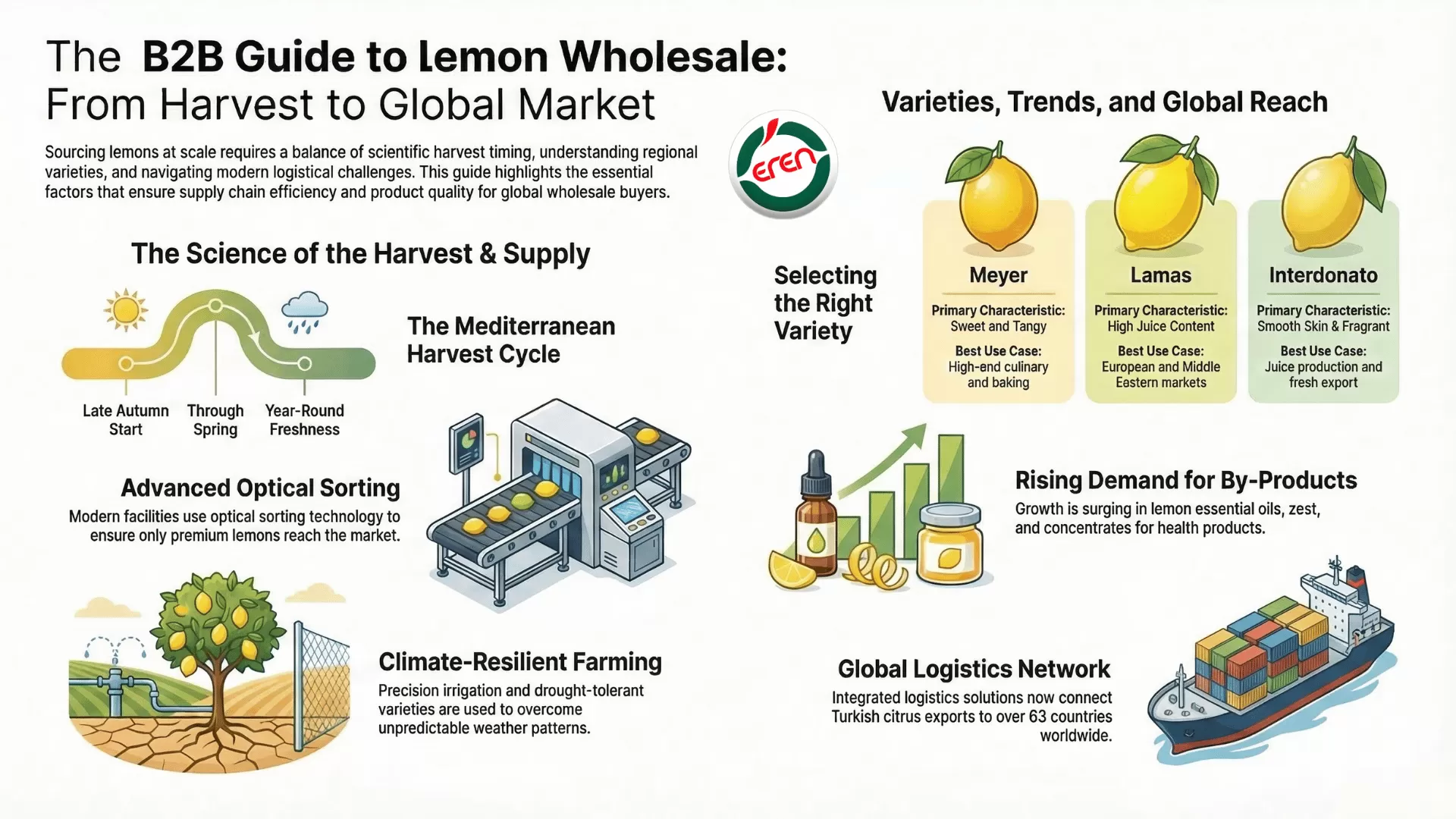
 Lemon
Lemon Mandarin
 Orange
 Grapefruit
 Fruits
 Vegetables
What Really Makes the Best Turkish Figs So Hard to Resist?
Have you ever bitten into a fig and wondered why some taste like candy while others barely register? The difference usually comes down to origin, and Turkey has spent decades earning its reputation for growing some of the sweetest fruit on earth. But what actually separates an average fig from the best turkish figs money can buy? Is it the soil, the sun, or simply generations of know-how passed down from grower to grower?
Since 1993, companies rooted in Mersin have built their name on exactly this kind of expertise, starting with citrus and gradually branching into dozens of other fruit varieties, figs included. Isn't it worth asking how a business that began as a modest citrus exporter ended up shipping fruit to more than sixty countries? Part of the answer lies in treating every product, whether it's a fig or a lemon, with the same obsession over quality control and sorting precision.
Why Does the Brown Turkish Fig Get So Much Attention?
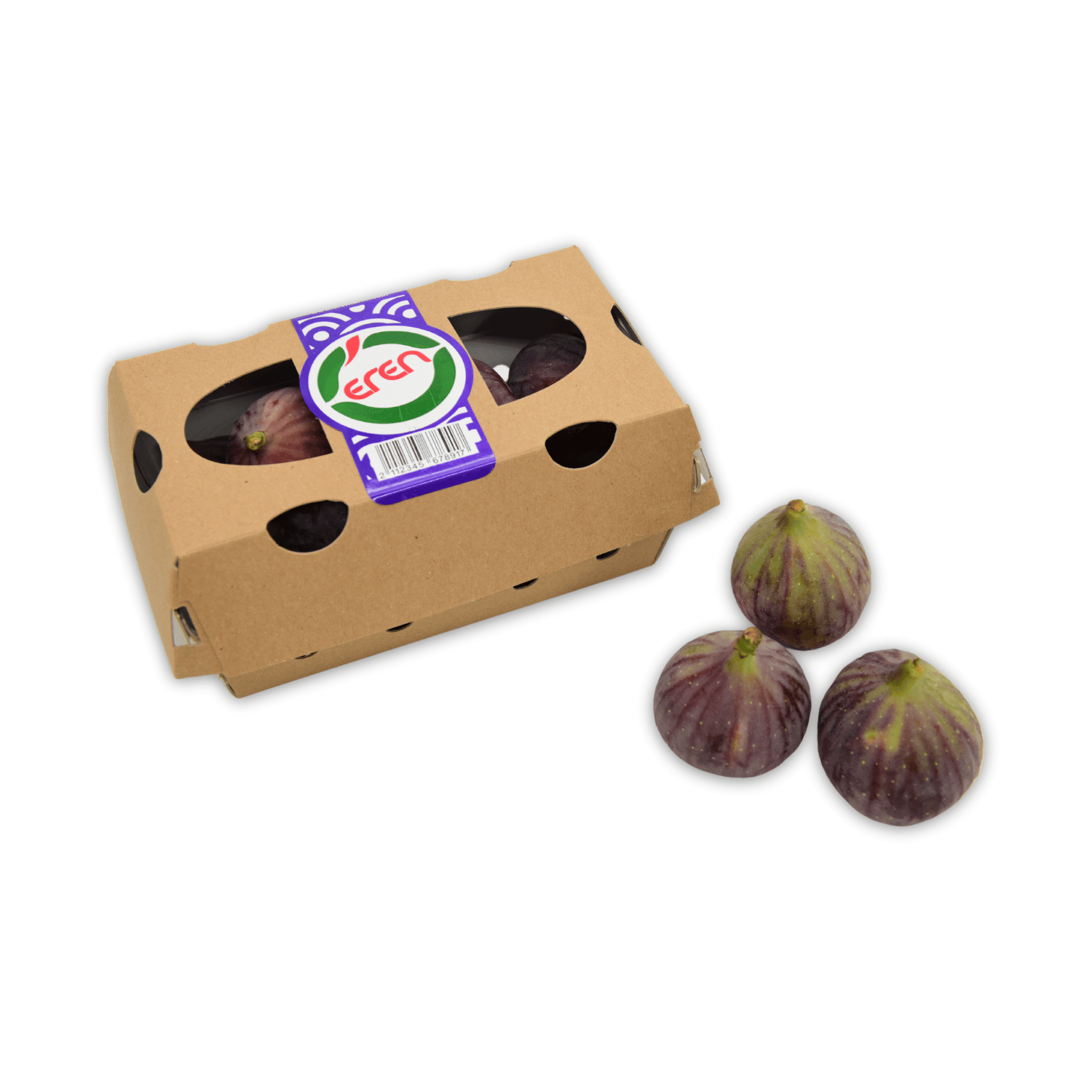
What is it about the brown turkish fig that keeps buyers coming back season after season? Could it be the deep, almost caramel-like sweetness, or the way its skin holds up during long-distance shipping without losing texture? Growers in regions like Bursa have refined this variety for years, and the results speak for themselves. In fact, recent reporting from European wholesale markets suggests that Turkish black and brown figs coming out of Bursa are having one of their strongest showings in the last three or four years, even as buyers weigh cheaper alternatives from Italy and Spain.
So why would a buyer pay more for a Turkish fig when a cheaper option sits right next to it? The answer usually comes back to consistency. A wholesaler moving two to three pallets a week doesn't want surprises, and reliable quality tends to matter more than a slightly lower price tag once you factor in spoilage and customer returns. Isn't that the real cost calculation behind every produce order?
How Does Turkey Compare to Other Fig-Growing Regions?
Curious how the global fig picture looks right now? California's fig season this year started roughly two weeks earlier than usual because of unusually hot weather, and it's expected to wrap up around late August. Demand there has stayed fairly average, and prices have actually run lower than last year, though a late-season bump is anticipated as fewer figs remain on the trees. Doesn't that make you wonder how weather volatility in one growing region can ripple through pricing decisions on the other side of the world?
| Market | Season Status | Price Trend | Demand |
|---|---|---|---|
| California, USA | Started ~2 weeks early, ending late August | Lower than last year, rising near season's end | Average |
| Germany (Turkish supply) | Best season in 3–4 years | Competitive against cheaper Italian/Spanish supply | Expected to rise after summer holidays |
What Do Fresh Turkish Figs Bring to Your Table That Others Don't?
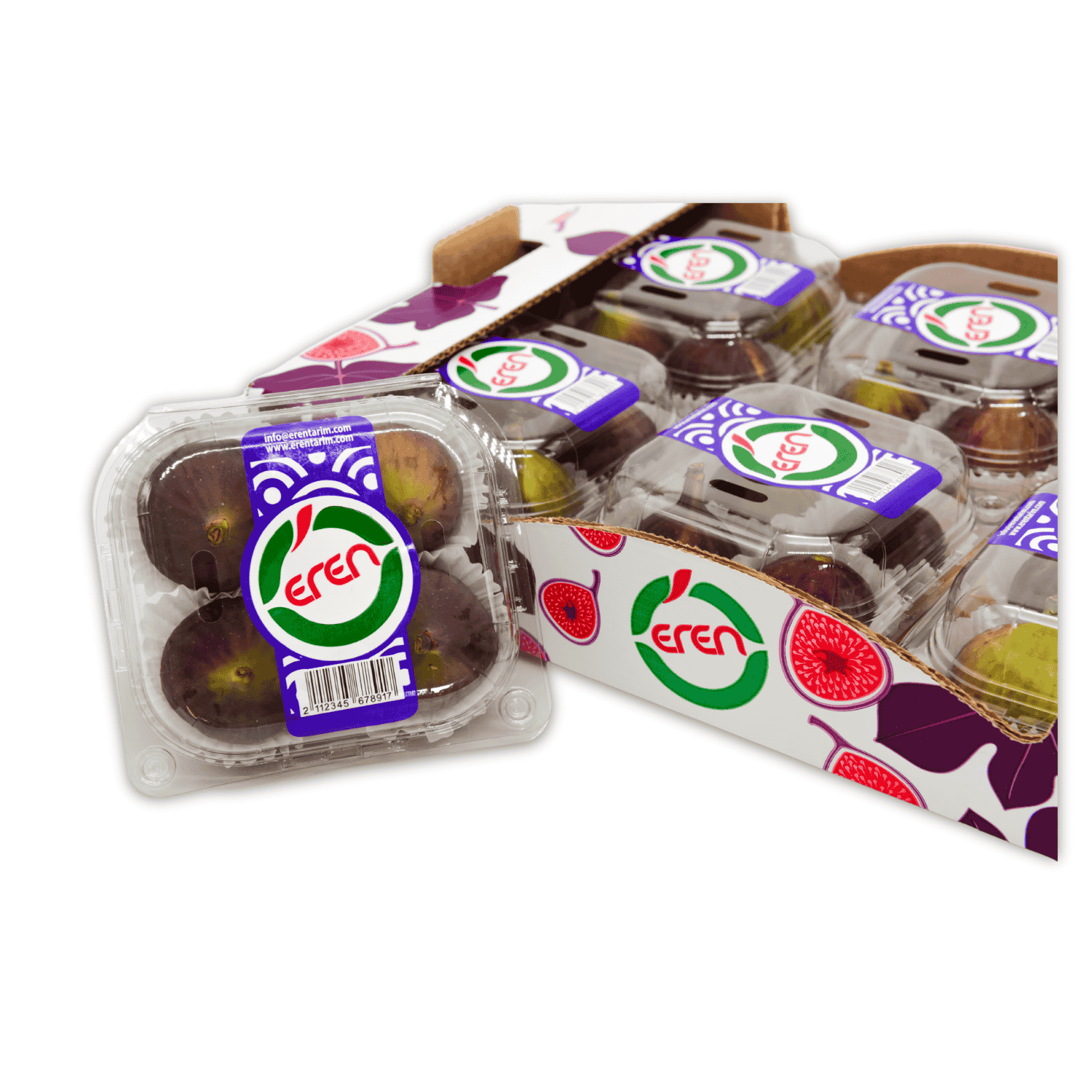
Would you rather buy a fig that traveled for weeks in questionable storage, or one picked and packed with a system built around speed and traceability? That's the real question behind sourcing fresh turkish figs. A modern fig exporter offering varieties buyers can trust relies on optical sorting machines, dedicated quality control teams, and cold-chain logistics that didn't exist twenty years ago. Isn't it strange how much technology now goes into something as simple as a piece of fruit?
Is Fig Exporting Just Part of a Bigger Story?
Why do so many fruit exporters end up diversifying into vegetables as well? For companies operating out of one of the world's key vegetable exporting countries, it often makes sense to run fruit and vegetable lines side by side, sharing the same logistics, sales teams, and quality standards. Isn't that efficiency exactly what keeps prices competitive for buyers overseas? Building a genuine vegetable export business alongside a fruit portfolio also means growers can offer more variety within a single shipment, which matters a lot to importers trying to consolidate orders.
Ever notice how a serious vegetable import export business and a fruit-focused one end up needing the same things: cold storage, phytosanitary certification, and staff who understand customs procedures in a dozen languages? That overlap is exactly why companies with decades of citrus and vegetable experience tend to make surprisingly strong fig suppliers too.
Frequently Asked Questions About Turkish Figs
What is the difference between a brown Turkish fig and a black fig?
Color and skin thickness are the main differences, with brown varieties often prized for a softer bite and a slightly milder sweetness compared to darker-skinned figs.
How long do fresh Turkish figs stay good after export?
With proper cold-chain handling, fresh figs typically hold their quality for about a week to ten days after harvest, though this depends heavily on ripeness at packing time.
Why do fig prices change so much during the season?
Weather events, competing supply from other countries, and shifting demand after holiday periods all push prices up or down within a single season.
Are Turkish figs available year-round?
No, fig season is relatively short, so most buyers plan shipments carefully around the harvest window to secure the best quality.
Ready to See What Smarter Sourcing Could Look Like?
So where does all this leave a buyer trying to make sense of fig season, shifting prices, and quality claims from every direction? Maybe the real question isn't which fig is best on paper, but which supplier can actually back up that claim shipment after shipment. If you're also thinking about how pricing strategy plays into produce sourcing decisions, it might be worth exploring what EREN can offer alongside your export planning, giving your team a clearer view of how pricing shifts across your markets.