 Lemon
Lemon Mandarin
 Orange
 Grapefruit
 Fruits
 Vegetables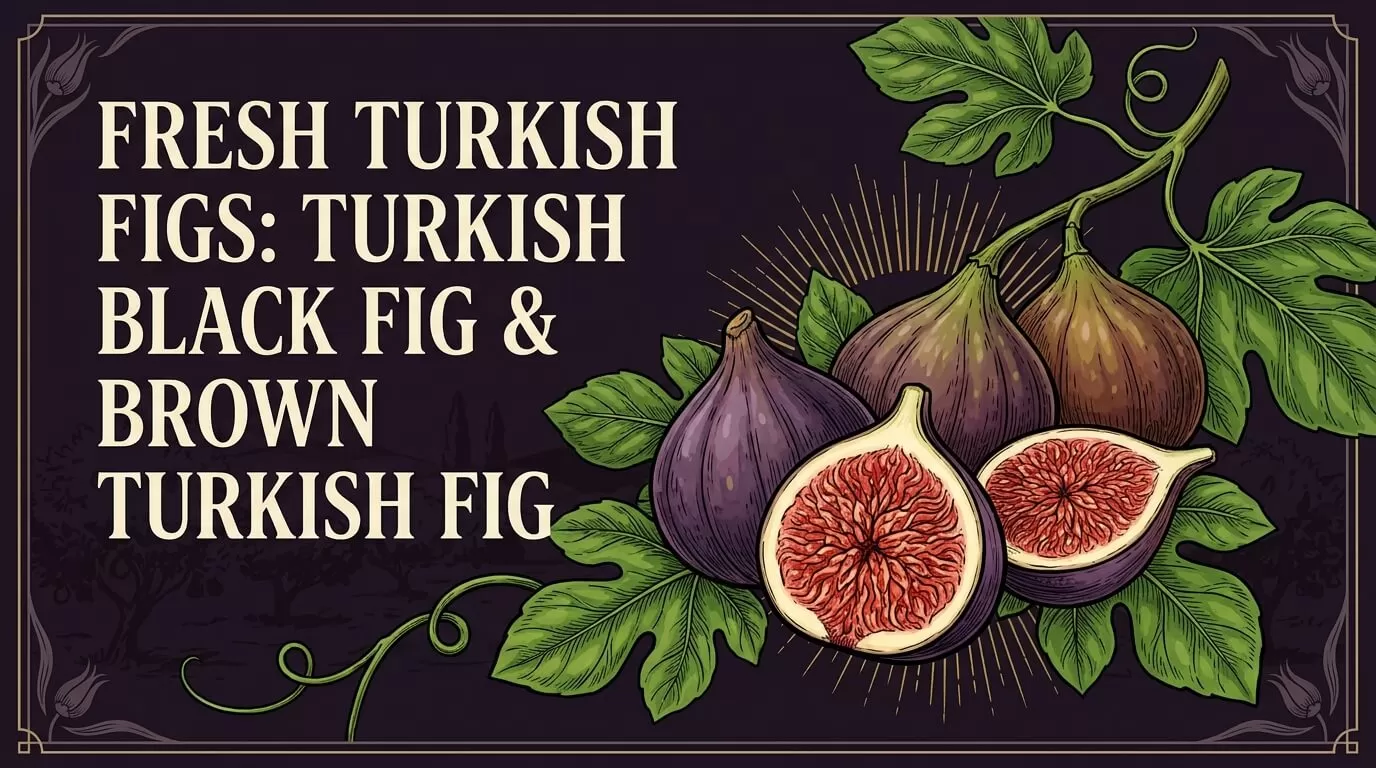
Turkish figs have earned a well-deserved place among the most celebrated fresh fruits in international trade. Whether you're a wholesale buyer, a retail procurement manager, or simply someone passionate about Mediterranean produce, understanding what makes Turkish figs genuinely special — and how to source them reliably — is knowledge worth having. From the deep, jammy richness of the Turkish black fig to the honeyed sweetness of the brown variety, Turkey's fig production represents one of the finest horticultural traditions in the world.
Fresh Turkish Figs: Turkish Black Fig and Brown Turkish Fig Explained
Turkey is one of the world's leading fig producers, and that status hasn't been achieved by accident. The country's Aegean coastline, particularly the regions around Bursa and Izmir, offers growing conditions that are genuinely ideal for fig cultivation — long, sun-drenched summers, moderate rainfall, and well-draining soils that push the fruit to develop concentrated sugars and complex flavor compounds. The result is a fig that consistently outperforms alternatives from other origins when it comes to taste, texture, and shelf life.
It's worth noting that Turkey's fig reputation has reached some unexpected places. A recent marketing campaign by Russian retail chain Pyaterochka, in collaboration with Rodnaya Rech agency, featured animated rap-style videos promoting fresh fruit and vegetable selections to consumers — and figs listed with Turkey as the country of origin were prominently highlighted alongside tomatoes. That kind of consumer-facing recognition in major international retail markets speaks to just how deeply Turkish figs have penetrated global consciousness as a quality product.
What Makes the Turkish Black Fig So Special?
The turkish black fig — most commonly the Bursa Black variety — is arguably the most internationally recognized fig coming out of Turkey. Its exterior presents a deep, dark purple-brown skin that almost looks lacquered, while the interior reveals a dense, ruby-red flesh packed with natural sweetness and a flavor profile that encompasses notes of caramel, dried fruit, and warm honey.
What separates this variety from others in the global market is the combination of flavor intensity and logistical practicality. The skin is firm enough to withstand the rigors of international shipping, and the natural sugar content keeps the fruit tasting exceptional even after several days in transit under proper cold chain conditions. For wholesale buyers and importers operating across European and Asian markets, this reliability is exactly what they need from a premium fig supplier.
| Fig Variety | Skin Color | Flesh Color | Flavor Notes | Best Market Use |
|---|---|---|---|---|
| Bursa Black (Turkish Black Fig) | Deep purple-brown | Ruby red | Caramel, honey, rich sweetness | Fresh retail, wholesale export |
| Brown Turkish Fig | Golden brown | Amber-pink | Honey, light floral, delicate | Fresh market, premium retail |
| Sarılop (Yellow Fig) | Yellow-green | Light amber | Mild, sweet, soft | Drying, jam, local consumption |
| Bardajic | Green-brown | Pink-white | Subtle, slightly nutty | Niche export, specialty markets |
Understanding the Brown Turkish Fig Variety
While the black fig often grabs the spotlight, the brown turkish fig holds its own as a genuinely distinctive variety worth understanding in detail. The brown Turkish fig typically presents with a warm golden-brown skin, often with subtle striping, and an interior that ranges from pale amber to soft pink. The flavor is noticeably different from the black variety — lighter, more delicate, with pronounced floral honey notes and a softer texture that makes it particularly appealing in fresh retail settings.
This variety tends to appeal to markets and consumers who prefer a less intensely sweet experience. It pairs beautifully with cheese, cured meats, and salads, making it popular in European foodservice channels and premium grocery retail. Buyers interested in exploring the full range of what Turkish fig cultivation offers should look into the detailed export fig variety guide available for fresh Turkish figs export fig varieties you can trust, which breaks down the specific characteristics buyers should expect from each type.
Key Nutritional Qualities of Turkish Figs
Beyond flavor, Turkish figs offer a compelling nutritional profile that's worth highlighting, especially for health-focused retail buyers. Figs are naturally rich in dietary fiber, potassium, calcium, and antioxidants. They contain natural sugars that provide quick energy alongside fiber that moderates absorption — making them a genuinely wholesome snack option rather than just an indulgence. For buyers positioning products in health-conscious retail environments, this nutritional story adds real marketing value to every box of Turkish figs they bring to market.
Fresh Turkish Figs in the Global Export Market
The international appetite for fresh turkish figs has been growing steadily, and recent trade data reinforces just how significant this product has become on a global scale. In North America, for example, fresh fig exports from California to Canada increased by an impressive 52% in 2025 compared to the previous year — a clear indicator that consumer demand for fresh figs is expanding rapidly beyond traditional Mediterranean markets. That growth in North American demand creates opportunities for Turkish exporters to position their product competitively in markets that are actively seeking premium fresh fig supply.
Meanwhile, the California fresh fig supply is expected to remain strong through October and potentially into November depending on weather conditions, with retailers reporting robust demand throughout the season. This active global market for fresh figs makes Turkey's position as a leading supplier even more strategically important — Turkish figs offer a quality and price combination that fits both premium retail and volume wholesale channels simultaneously.
Turkish Fig Export Packaging and Logistics Standards
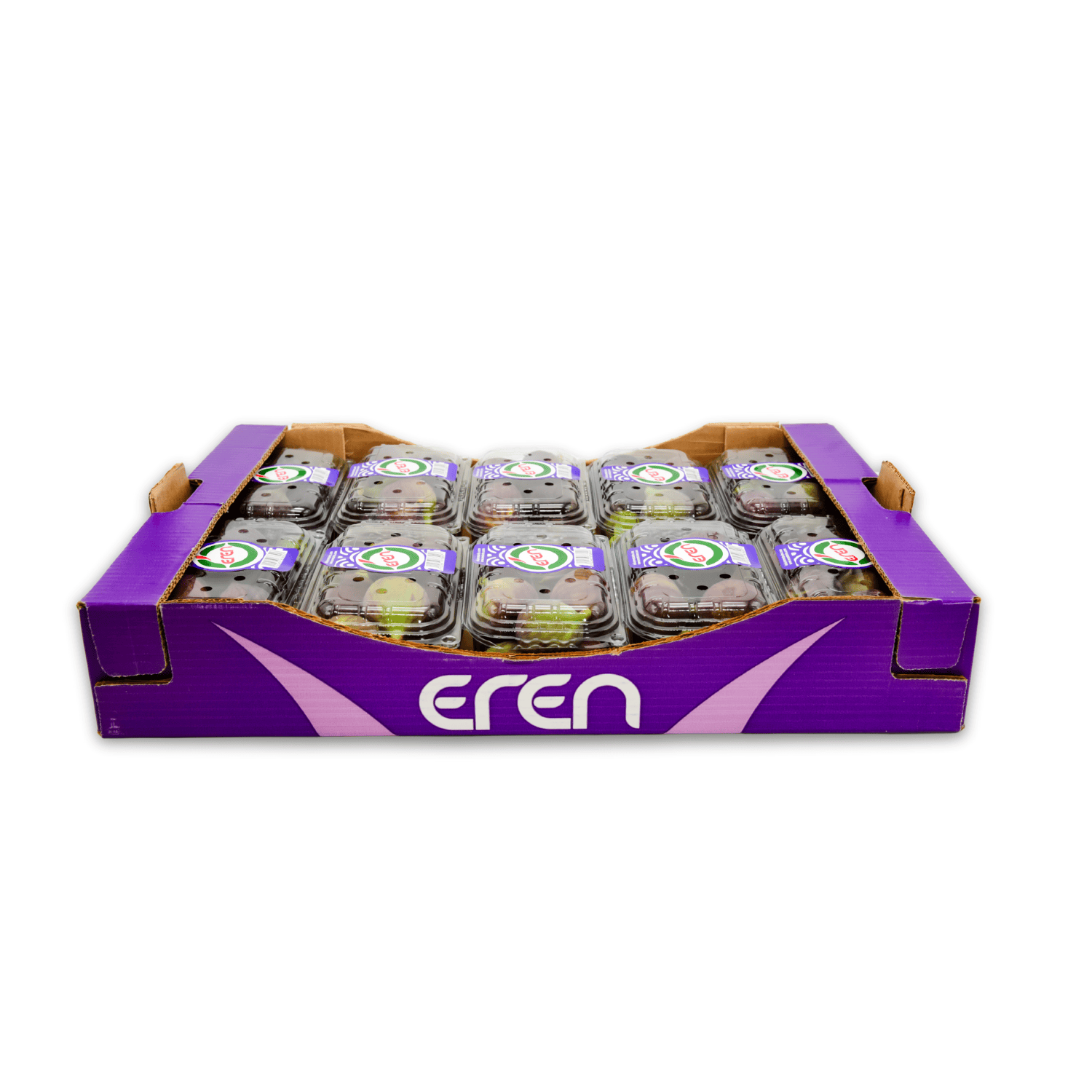
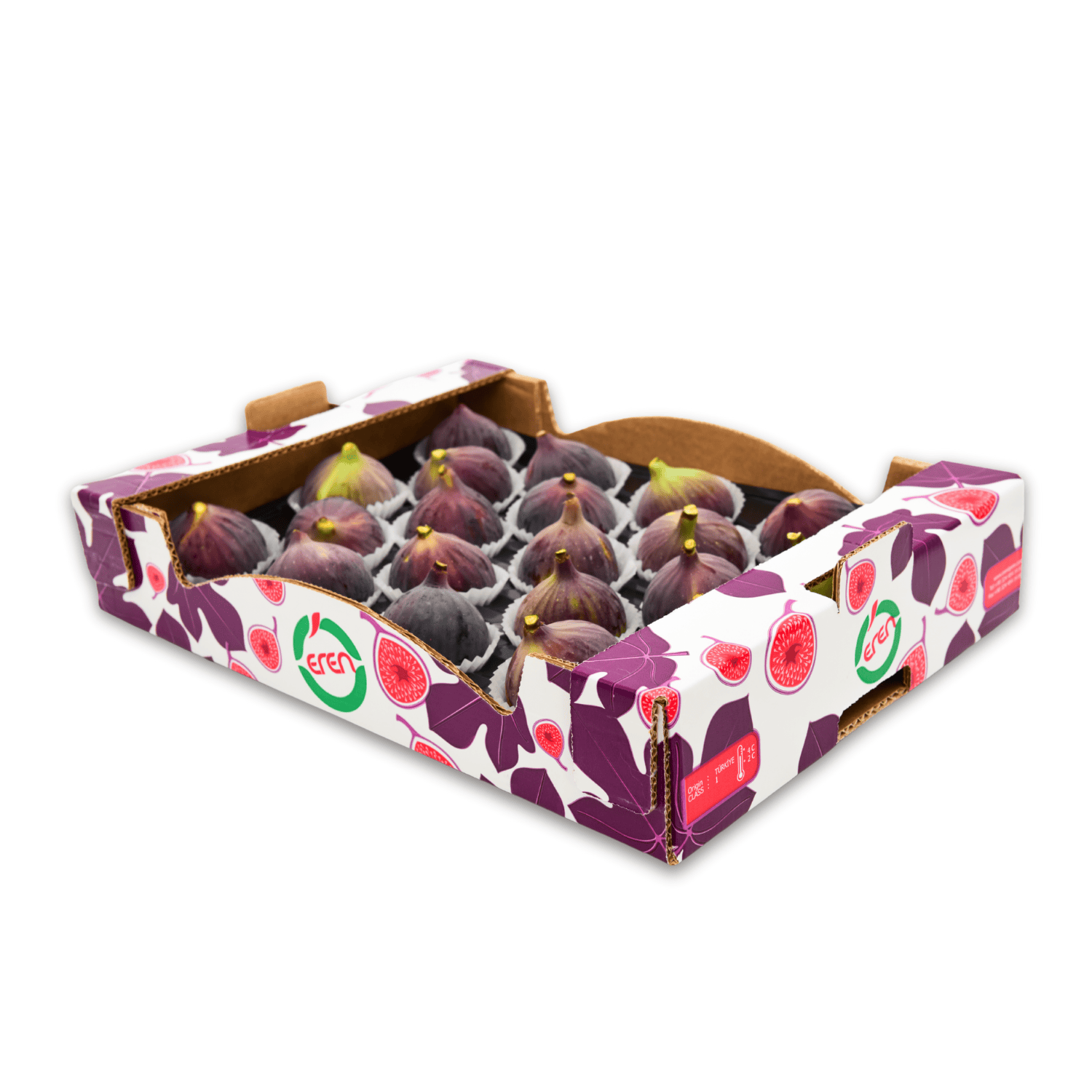
One of the most important practical considerations for wholesale buyers is how figs are packed and transported. Fresh figs are among the more delicate fresh fruits to handle — they bruise easily, have a limited window of peak ripeness, and require precise temperature management throughout the cold chain. Established Turkish exporters have invested significantly in vegetable export packaging infrastructure specifically to address these challenges, offering buyers a range of options from retail-ready clamshells and punnets to bulk export cartons with protective cushioning layers.
Packaging formats can typically be customized to meet destination market requirements, whether that means specific weight configurations for European supermarket chains, custom labeling for private label programs, or specialized formats for foodservice distributors. Buyers who are part of a fruits and vegetables import export whatsapp group or industry trade network often share insights about which packaging formats perform best in different markets — and Turkish fig exporters with genuine international experience understand these nuances well.
| Packaging Type | Typical Weight | Best Suited For | Market Channel |
|---|---|---|---|
| Retail Clamshell | 250g – 500g | Supermarket retail | Europe, Gulf, Asia |
| Punnet with lid | 500g – 1kg | Premium fresh market | North Europe, UK |
| Bulk Export Carton | 2kg – 5kg | Wholesale, redistribution | All markets |
| Air Cargo Specialized Pack | Custom | Long-haul premium delivery | Canada, Asia, Gulf |
Frequently Asked Questions About Turkish Figs
What is the difference between Turkish black fig and brown Turkish fig?
The Turkish black fig, primarily the Bursa Black variety, has a deep purplish-brown exterior with rich, intensely sweet flesh and a longer shelf life that makes it ideal for export. The brown Turkish fig tends to have a lighter golden-brown skin with a more delicate, floral honey flavor and a softer texture. Both are excellent in fresh eating but suit slightly different retail and foodservice contexts.
When is the Turkish fresh fig season?
The Turkish fresh fig season generally runs from late July through mid-October, with peak quality and availability concentrated in August and September. Some varieties extend into October, giving buyers a solid window of approximately two and a half months to source premium fresh figs from Turkey each year.
Can Turkish figs be shipped to markets outside Europe?
Absolutely. With the right cold chain infrastructure and packaging, Turkish figs are successfully exported to markets across the Middle East, Asia, Canada, and beyond. Air cargo solutions are available for time-sensitive shipments to distant markets, and experienced exporters have established INCOTERMS pricing structures that work for virtually any destination worldwide.
How should I evaluate the quality of Turkish figs before ordering?
Look for consistent sizing, firm but not hard skin, a characteristic sweet aroma, and no visible cracking or mold. Reputable exporters will provide quality certificates, inspection reports, and product samples. Some buyers who are active in a vegetable import export whatsapp group or trade community also rely on peer recommendations when vetting new suppliers — first-hand sourcing experiences shared within professional networks are often more reliable than marketing materials alone.
What volumes are available for wholesale buyers?
Volume availability varies by season and variety, but established Turkish exporters can typically handle full container load (FCL) and partial container load (LCL) orders, as well as air cargo consignments for premium market delivery. The key is communicating your volume requirements and timing early in the season to secure the best allocation and pricing.
Why Eren Is the Right Partner for Your Turkish Fig Sourcing Needs
Founded in Mersin in 1993, Eren began as a focused citrus exporter serving Russia and South Europe before expanding steadily into a full-range fresh produce export company. The move to their own production facility in the Tarsus region in 2006 marked a turning point — from that base, they opened markets across Southeast Asia, Canada, Africa, and Northern Europe, building a portfolio of over 60 product varieties that spans citrus, fresh fruits, and vegetables. Today, Eren exports to 63 countries with a peak-season team of over 1,000 personnel and a sales department that communicates in 7 languages.
Their in-house logistics department manages trucking, container, reefer, and air cargo solutions, while a dedicated Air Cargo division handles its own R&D to continuously improve delivery performance. After 2014, Eren invested heavily in institutionalization — optical sorting and sizing machines, software-controlled production systems, and a dedicated quality control department all ensure that every shipment of fresh fig producer farm quality natural produce meets the highest international standards before it leaves Turkey.
If you're ready to source premium Turkish figs with the confidence that comes from working with a genuinely experienced export partner, now is the time to make contact. Reach out to the Eren team today and let their decades of expertise, global logistics network, and unwavering commitment to quality work for your business this fig season and beyond.