 Lemon
 Mandarin
 Orange
 Grapefruit
 Fruits
 Vegetables
| 1. | The Numbers Behind Turkey's Lemon Game |
| 2. | What Makes the Season Enterdonato Lemon So Commercially Attractive |
| 3. | The Company Enterdonato Lemon Equation — Partner Selection Matters More Than You Think |
When Turkish Enterdonato Lemon Season Meets the Right Company
Oh sure, because finding a decent lemon is totally easy. Anyone can just waltz into the global citrus market and grab a box of perfect, early-season Enterdonato lemons without breaking a sweat — said absolutely no serious importer ever. The truth is, getting your hands on genuinely high-quality turkish enterdonato lemon supply is a whole different story, and it starts long before the fruit even hits the packing line.
Why the Turkish Enterdonato Lemon Is Not Just Another Citrus Story
Let's get one thing straight. The Enterdonato — also spelled Interdonato — is not your generic supermarket lemon. This variety actually has an Italian origin story, named after a Colonel Giovanni Interdonato from Sicily, and it carries a bit of old-world prestige with it. In fact, it is listed on Slow Food's Ark of Taste as a genuine heritage citrus variety, described as a natural hybrid between a lemon and a citron. So yes, it is kind of a big deal, even if it does not show up on the label at your local corner store.
Turkey, ever the overachiever in agricultural output, has made this variety very much its own. Cultivated primarily along the Aegean and Mediterranean coastal regions, it thrives especially in the Silifke and Anamur districts of Mersin province. The Lamas River valley in Mersin has a particularly close relationship with this fruit — so much so that locals sometimes market it under the name Lamas lemon, which gives it a sort of regional identity badge that importers have come to recognize and respect.
The Numbers Behind Turkey's Lemon Game
Turkey is not playing around when it comes to lemon production. The country regularly surpasses one million tonnes of lemon output annually according to FAO data, with Mersin's Çukurova region and the Aegean coast — including İzmir and Aydın — leading the charge. The largest vegetable exporters in the world often get the headlines, but Turkish citrus quietly holds its own position on the global stage, shipping to the EU, the Middle East, North Africa, and beyond.
| Feature | Enterdonato Lemon | Standard Eureka/Lisbon Lemon |
|---|---|---|
| Harvest Season | Late August – November | Winter – Spring |
| Seed Count | 0–1 seeds per fruit | Several seeds |
| Brix Level | Higher (sweeter profile) | Standard |
| Acidity | Mild / Low | High |
| Rind | Smooth, thin albedo | Thicker, rougher |
Fresh Turkish lemon exports are coordinated through trade bodies like the Mersin Commodity Exchange and the Turkish Exporters Assembly, with the Fresh Fruit and Vegetable Exporters' Association specifically overseeing citrus categories. And if you are exporting to EU markets, the fruit has to comply with strict Commission Regulation EC No 1799/2001 standards covering size grading, color classification, and defect tolerances. So no, not just any box of lemons makes the cut.
What Makes the Season Enterdonato Lemon So Commercially Attractive
The timing is honestly one of the Enterdonato's best-kept secrets. Because it is an early-season cultivar, it typically becomes available from late August through October — arriving in export markets well before the main Eureka or Lisbon season kicks off. That timing gap is pure gold for buyers who need fresh citrus supply during autumn months. The season enterdonato lemon window is short, predictable, and highly competitive, which means you either have a reliable partner lined up or you scramble.

The fruit itself is remarkably well-suited to commercial export. Nearly seedless — typically zero to one seed per fruit — with a smooth rind and a higher Brix level compared to conventional varieties, the Enterdonato sits in a sweet spot between visual appeal and eating quality. Its mild acidity makes it attractive to markets where consumers prefer a less sharp citrus flavor, and its elongated shape makes it visually distinctive on any shelf or market display.
Certification and Compliance — Because Winging It Is Not a Strategy
Any serious exporter operating in the Turkish fresh lemon space will tell you that GlobalG.A.P. certification is not optional — it is table stakes for EU-bound shipments. Turkish exporters also operate under phytosanitary protocols set by the Turkish Plant Health Directorate, which means every pallet leaving the country has gone through actual scrutiny. It is almost like the system was designed to prevent low-quality product from reaching European consumers. Shocking concept, right?
FAQ: Turkish Enterdonato Lemon Basics for Buyers
- What is the Enterdonato lemon? — It is an early-season citrus variety, a natural hybrid of lemon and citron, known for its smooth rind, nearly seedless interior, and mild flavor profile.
- When is the Enterdonato lemon season in Turkey? — Generally from late August to November, making it one of the first fresh lemon varieties available in autumn export markets.
- Where in Turkey is it grown? — Primarily in Mersin province, especially the Silifke and Anamur districts, as well as parts of the Aegean coast.
- Is it export-ready? — Yes, provided your supplier holds GlobalG.A.P. certification and complies with EU marketing standards for citrus grading.
- Why does it matter who your supplier is? — Because timing, certification, logistics, and consistent quality are not things you improvise during a tight seasonal window.
The Company Enterdonato Lemon Equation — Partner Selection Matters More Than You Think
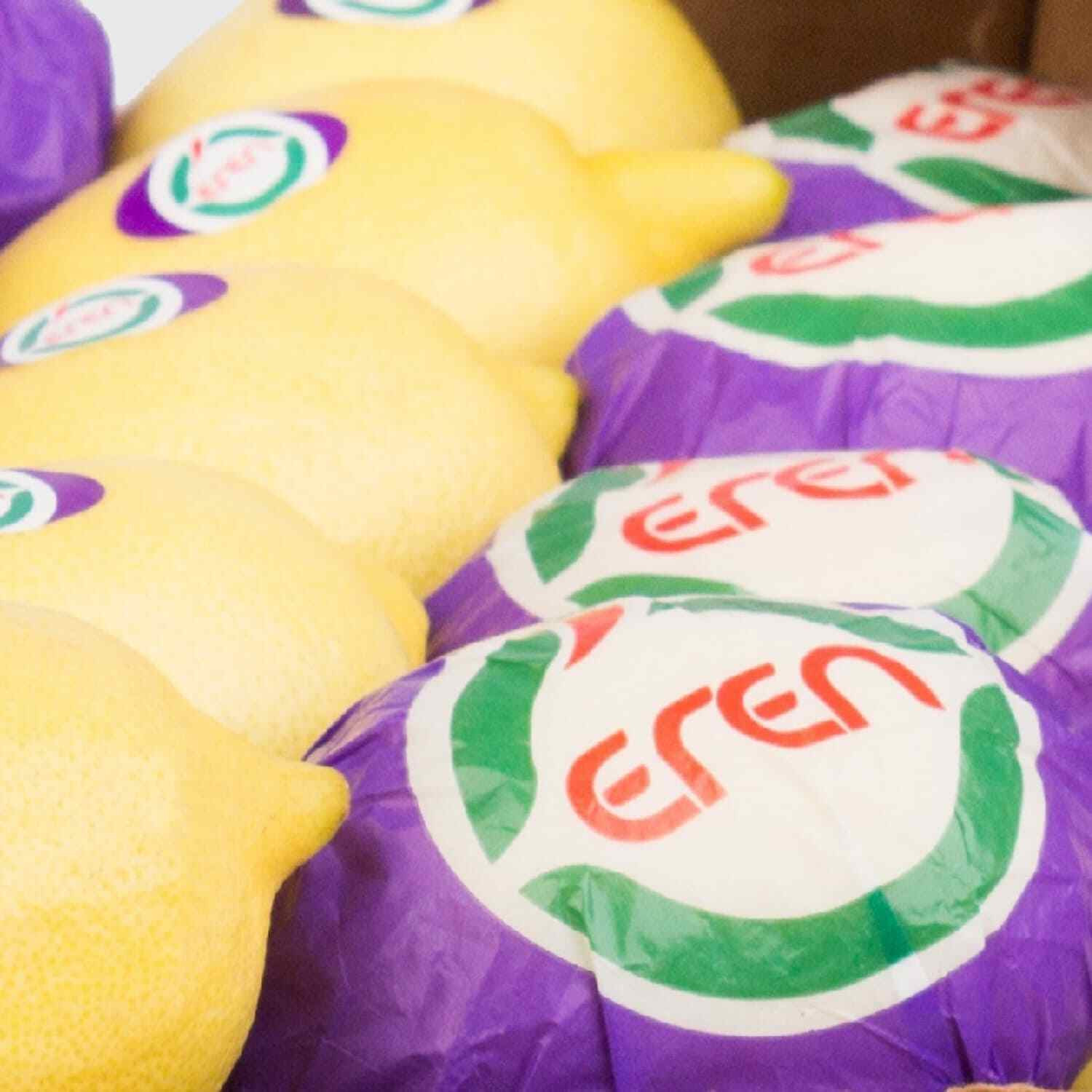
Here is where a lot of importers get casual and then wonder what went wrong. Choosing the right company enterdonato lemon source is not a sidebar decision — it is the main event. Established in 1993 in Mersin, Eren started as a modest citrus-focused export operation with Russia and Southern Europe as its primary markets. Fast forward to today, and the company exports to 63 countries, manages over 60 product varieties, and operates with more than 1,000 personnel during peak season. That is not accidental growth — that is institutional knowledge built over three decades.
| Eren Export Overview | Details |
|---|---|
| Founded | 1993, Mersin, Turkey |
| Export Markets | 63 countries |
| Product Varieties | 60+ |
| Peak Season Staff | 1,000+ personnel |
| Languages at Sales Dept | 7 languages |
| Production Facility Move | 2006, Tarsus region |
| Own Logistics Dept | Trucking, Container, Reefer, Air Cargo |
What Serious Export Infrastructure Actually Looks Like
After moving to a dedicated production facility in the Tarsus region in 2006, Eren expanded into Southeast Asia, Canada, Africa, and Northern Europe markets. After 2014, the company went through a proper institutionalization process — upgraded website, software-controlled production, a dedicated quality control department, state-of-the-art optical sizing and sorting machines, and active R&D programs. If you are a buyer who cares about what the largest exporter of fruits and vegetables in the world tier of operation looks like from the inside, this is your reference point.
Logistics That Do Not Make You Guess
Eren's own logistics department handles Trucking, Container, Reefer, and Air Cargo solutions, offering different INCOTERMS pricing to virtually any destination. The Air Cargo division even operates as its own separate department with dedicated R&D. So if you need Enterdonato lemons on a tight timeline to a non-standard destination, there is actually a team that has thought about that problem. What a novelty.
The Grower Dimension
Beyond the packing and logistics side, Eren is also a grower with its own citrus and cherry gardens. That means there is direct supply chain visibility — not just coordination through third parties. For buyers who have learned the hard way what it means when your supplier cannot trace fruit back to the farm, this detail matters significantly.
And for those who think managing complex international citrus procurement through informal channels is somehow efficient, the industry has a concept that might sound familiar: vegetable import export whatsapp group. It is almost charmingly optimistic as a strategy. But when you are sourcing high-demand early-season citrus with strict EU compliance requirements, a professional B2B export partner is not a luxury — it is a requirement.
So if you are ready to stop guessing about sourcing and start working with a team that has actually done this for over 30 years across 63 markets, now is a good time to reach out to Zupricer and connect with verified suppliers like Fresh Anatolia. The Enterdonato season waits for no one — and neither does a well-prepared competitor.

