 Lemon
Lemon Mandarin
 Orange
 Grapefruit
 Fruits
 Vegetables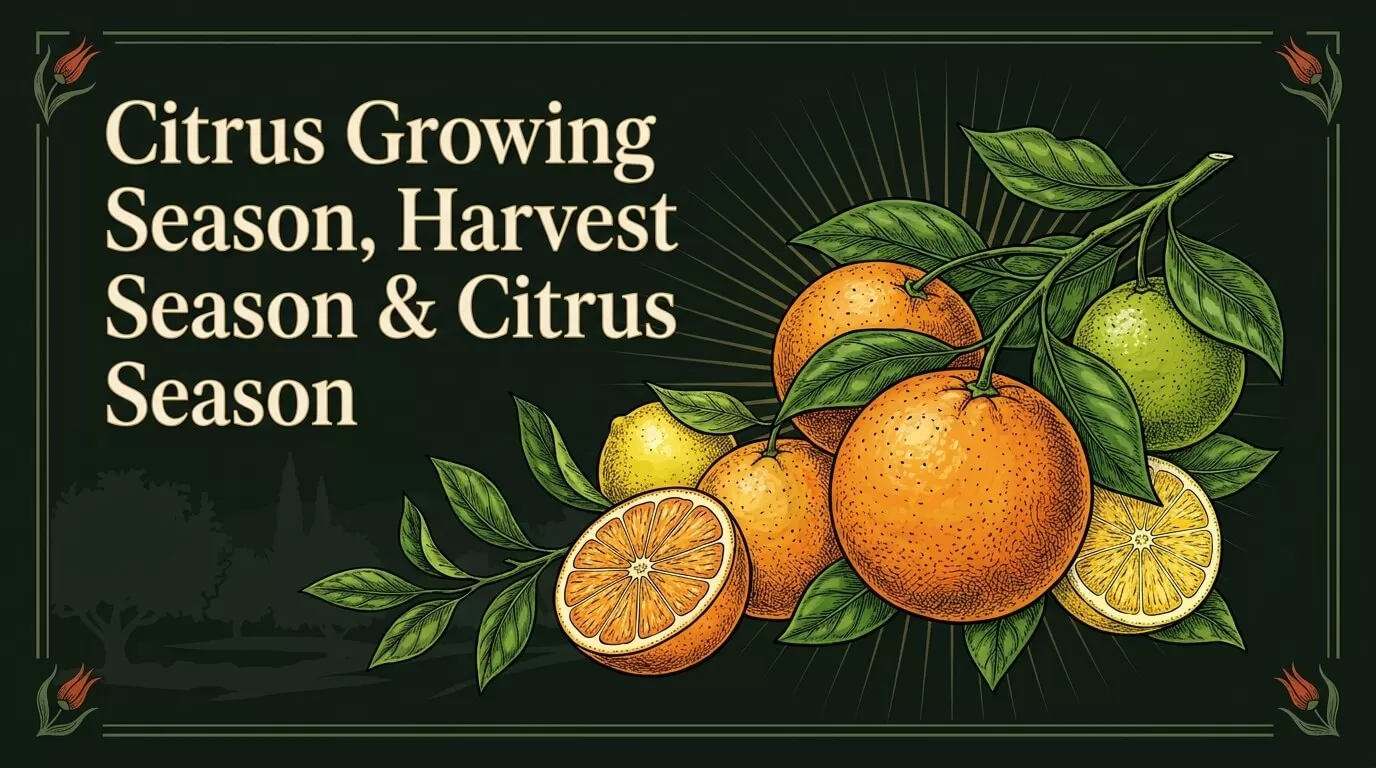
Citrus Growing Season, Harvest Season & Citrus Fruit Season
If there's one thing that gets the global fresh produce world absolutely buzzing with excitement, it's the arrival of citrus season. The citrus fruit season is one of the most anticipated periods across the entire agricultural calendar — and for very good reason. From the golden groves of Turkey's Mediterranean coast to the refrigerated shipping lanes stretching across continents, this season brings energy, opportunity, and fierce competition that makes every decision count. Whether you're a seasoned import export fruit and vegetables professional or just entering the fresh produce sourcing game, this is your moment to pay close attention.
Global demand signals are flashing, supply dynamics are shifting in fascinating ways, and the smartest buyers are already locking in their sourcing arrangements. The question is — are you ready to move?

Citrus Fruit Season: Best Citrus Limon for Citrus Export
Right now, the global citrus stage is busier than it has been in years. Markets across Europe, Asia, North America, and Africa are all watching supply chains with sharp attention, and the data coming out of major producing regions is painting a truly compelling picture. Spain's ASAJA Murcia agricultural association has projected a 30% drop in Fino lemon production for the 2026/27 season — a significant reduction that is widely expected to tighten supply, rebalance the market, and push prices upward. For anyone tracking lemon availability and forward pricing, that's a major signal worth acting on.
Adding another layer of complexity, South Africa — one of Turkey's main competitors in the global citrus space — experienced dramatic orange price drops during June and July 2026, with a year-on-year decline of 48.7% recorded in July alone. Adverse weather conditions and labour disruptions hit their supply, while softening global demand piled further pressure onto already fragile pricing. These kinds of disruptions across the Southern Hemisphere are creating real openings for Northern Hemisphere producers like Turkey to step in and fill the gap with consistent, high-quality supply.
What's Happening Right Now in Global Citrus Markets
The current landscape for the citrus growing season is defined by a combination of tightening supply from traditional players and rising demand from markets that need reliable alternatives. Program pricing has already moved higher compared to previous seasons, and spot market values for lemons are projected to touch impressive levels — particularly for smaller-sized formats that are extremely popular across European retail and foodservice sectors.
Last season, Europe was actively offering premium prices for lemons coming from major Southern Hemisphere producers compared to their North American counterparts, and that demand imbalance created real shipping and volume headaches. This season, with Southern Hemisphere producers like South Africa already battling pricing pressure and weather challenges, the opportunity for Turkish exporters to capture additional market share is undeniably strong. Frost events in Turkey during certain growing periods have also been noted as a factor that could reduce Turkish lemon availability in European markets — which is exactly why forward planning and early sourcing commitments matter so much right now.
| Market Region | Demand Level | Preferred Size | Price Trend |
|---|---|---|---|
| Europe | Very High | Small-Medium | Rising |
| Southeast Asia | High | Medium | Stable |
| North America | Moderate | Large | Stable |
| Africa | Growing | Small | Competitive |
Turkey's Role in the Citrus Export Landscape
Turkey has cemented itself as one of the most dependable and high-performing citrus exporting nations in the world. The country's Mediterranean and Aegean coastal regions produce fruit that is rich in aroma, juice content, and visual appeal — everything international buyers are looking for. For vegetable exporters near me and citrus buyers seeking a consistent, compliance-ready source, Turkey consistently delivers on all fronts.
One of the most respected names in this space is Eren, a Mersin-based export company that was founded in 1993. What began as a focused citrus export operation serving Russia and South Europe has evolved into a globally recognized brand now reaching 63 countries with over 60 product varieties. After moving into their own dedicated production facility in the Tarsus region back in 2006, Eren rapidly expanded into Southeast Asia, Canada, Africa, and Northern Europe — and they have only accelerated since then.
During peak citrus season, Eren operates with over 1,000 personnel and runs a multilingual sales department capable of communicating in 7 languages — a remarkable capability that speaks directly to their experience navigating diverse customs requirements, packaging preferences, and cultural market demands. They also have their own dedicated logistics department offering trucking, container, reefer, and air cargo solutions with flexible INCOTERMS pricing to every destination in the world. That kind of end-to-end capability is genuinely rare and gives buyers the confidence of working with a single, accountable partner.
Spotlight on Citrus Limon: Turkey's Golden Export
When conversations around premium lemon supply for international markets get serious, Turkish citrus limon is always at the center of the table. The famous Lamas lemon, cultivated in the Tarsus and Mersin growing regions, is celebrated globally for its vibrant skin color, abundant juice content, and natural acidity that satisfies both retail consumers and industrial food processors alike.
What makes Turkish lemons particularly attractive during the current citrus harvest season is the extraordinary combination of quality and supply reliability that established Turkish exporters can offer. While Spain braces for a significant production shortfall and South Africa wrestles with pricing instability, Turkish producers have been quietly but consistently investing in optical sorting and sizing technology, robust quality control departments, and forward-thinking R&D programs that ensure every batch meets the highest international standards.
Eren itself is not only an exporter but also a grower — possessing its own citrus gardens and cherry orchards, which gives it unique insights into crop quality and harvest timing that purely commercial exporters simply cannot match. This grower-to-exporter model is one of the reasons why Eren's product quality consistently earns praise from buyers across more than six dozen global markets.
Food Safety and Regulatory Landscape for Citrus Importers
Every serious turkish fruits and vegetables exporters partner worth considering needs to be operating within the evolving regulatory frameworks that are reshaping global citrus trade. France's Council of State recently confirmed the country's right to suspend fresh produce imports from non-EU countries that contain pesticide residues banned within the European Union. This ruling, grounded in scientific evidence and EU food safety legislation, has already impacted imports of exotic fruits and citrus products containing substances like carbendazim.
For buyers sourcing citrus from Turkey through compliance-focused exporters like Eren, this regulatory trend is actually a powerful competitive advantage. After their institutionalization process launched post-2014 — which included software-driven production control, a dedicated quality control department, and advanced sorting machines — Eren's operations are built to satisfy the strict requirements of European import markets. Buyers working with them don't need to worry about regulatory surprises disrupting their supply chain.
| Compliance Factor | Turkey (Eren) | General Non-EU Suppliers |
|---|---|---|
| EU Pesticide Standards | Aligned | Varies |
| Quality Control Systems | In-House Department | Third-Party Dependent |
| Logistics Flexibility | Multi-Modal (Air, Sea, Road) | Limited Options |
| Custom Packaging | Yes — 60+ Varieties | Often Standardized |
Wonderful Citrus Halos and Premium Mandarin Markets
Lemons aren't the only citrus story making waves this season. Premium mandarins have become one of the hottest categories in the fresh produce world, with consumer demand reaching remarkable highs across both retail and gifting markets. Brands like Wonderful Citrus Halos have set a high bar for what consumers expect from fresh mandarins — seedless, easy to peel, naturally sweet, and visually perfect. That premium consumer experience is exactly what the best Turkish mandarin varieties are delivering right now.
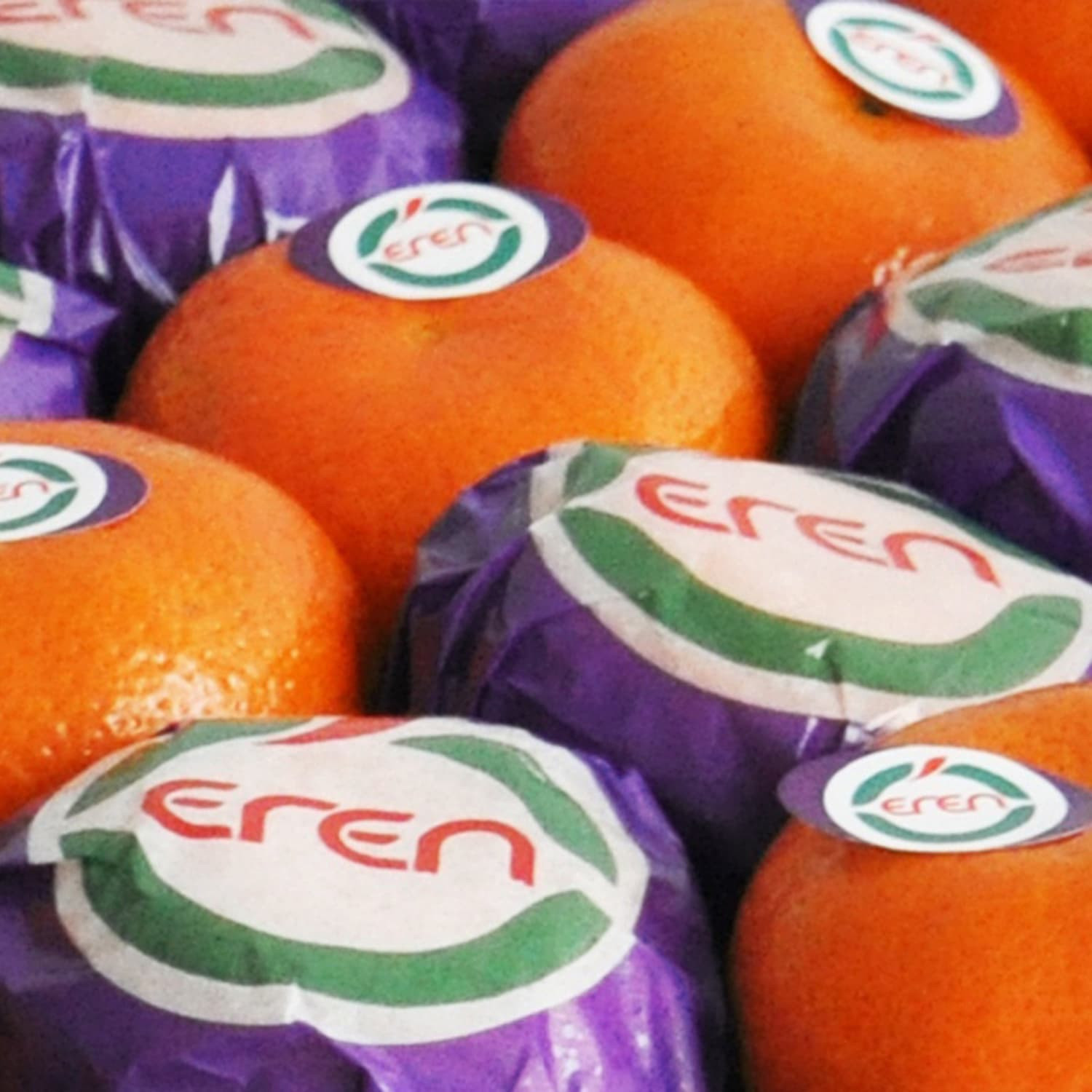
Turkey's Mandora mandarin, in particular, has been gaining powerful traction in export markets. Its naturally seedless character, smooth peel that separates easily, and exceptional sweetness make it a genuine crowd-pleaser in markets across Europe and the Gulf. Eren grows and exports mandarin varieties with the same meticulous precision that has made their lemon program a benchmark in global citrus trade. For buyers searching for a Turkish citrus seasonal guide to understand what varieties are available and when, the depth of Eren's product portfolio makes them an invaluable resource.
What the Citrus Growing Season Means for Buyers
Turkey's main citrus growing window typically runs from late autumn right through to early spring, with different varieties peaking at different points within that broader timeline. This naturally staggered availability is a genuine strategic advantage for importers who want consistent, uninterrupted supply over several months rather than scrambling for a single high-volume delivery window. Eren's ability to offer over 60 product varieties sourced from partner factories spanning different Turkish growing regions means they can maintain supply continuity in ways that single-source operations honestly cannot. Working with experienced turkish fruits and vegetables exporters means your shelves stay full even when individual growing zones face weather variability or seasonal shifts.
Why Sourcing from Turkey Makes Sense Right Now
Given Spain's projected 30% lemon production drop for the coming season, South Africa's dramatic pricing instability driven by weather and labour disruptions, and the tightening EU regulatory environment for non-compliant produce imports, Turkey's position as a top-tier citrus sourcing destination has never been more compelling. Add in Turkey's strong logistics infrastructure, compliance alignment with EU food safety requirements, and the depth of experience that leading exporters like Eren bring to the table — and the case for making Turkey your primary citrus source this season essentially makes itself. The time to act is before everyone else reaches the same conclusion.
Frequently Asked Questions About Citrus Fruit Season and Export
When does the citrus harvest season peak in Turkey?
Turkey's citrus harvest generally begins in October and runs through April, with lemons and mandarins typically hitting peak availability between November and February. This timing aligns perfectly with peak demand cycles across European and Northern Hemisphere winter markets, making Turkish citrus a natural fit for buyers needing consistent winter supply.
How does the Spanish lemon shortfall affect global buyers?
ASAJA Murcia's forecast of a 30% drop in Fino lemon production for the 2026/27 season means significantly tighter European supply from one of the continent's primary producing regions. This reduction is expected to drive prices higher and push buyers toward reliable alternative sources — making Turkish lemon exporters an increasingly attractive option for securing consistent supply at competitive terms.
What makes Turkish citrus limon stand out internationally?
Turkish lemons grown in the Mersin and Tarsus regions are prized for their high juice yield, bright color, and uniform sizing. Combined with modern optical sorting technology and strict quality control processes used by leading exporters like Eren, Turkish lemons consistently meet or exceed benchmarks set by the world's most demanding import markets.
Is small-sized lemon demand really that strong this season?
Absolutely. Market intelligence from multiple producing regions confirms that smaller lemon formats are in exceptionally high demand this season, driven by foodservice operators and retail pack requirements across European and Asian markets. Program prices have responded accordingly, moving higher than previous seasons, and spot market values are projected to follow suit.
What logistics solutions are available for citrus export from Turkey?
Top Turkish exporters like Eren offer a comprehensive range of logistics options including refrigerated container shipping, reefer trucks, and a dedicated air cargo division with its own R&D focus. This multi-modal flexibility ensures even the most time-sensitive citrus orders arrive at their destination in peak condition, regardless of the market or distance involved.
Connect and Source the Best Citrus This Season
The citrus market this season is genuinely one of the most exciting and opportunity-rich environments in recent memory. Supply tightening in Spain, pricing pressure in South Africa, rising EU compliance expectations, and surging global demand for premium lemons and mandarins — all of these forces are converging to create a landscape where the buyers who move early and source smartly will come out well ahead of those who wait and scramble. Fresh Anatolia, powered by Eren's three decades of global export experience, is ready to be your trusted citrus sourcing partner this season.
Reach out to Fresh Anatolia today and start a conversation with a team that has been delivering 'Treasured Anatolia' produce to 63 countries since 1993. Whether your needs center on premium Lamas lemons, seedless Mandora mandarins, or a broader fresh produce program built around your market's specific requirements, Eren's team is equipped to discuss packaging, labeling, logistics, pricing, and custom solutions that work for you. Don't let this season pass you by — connect now and secure your supply before the window closes.