 Lemon
Lemon Mandarin
 Orange
 Grapefruit
 Fruits
 Vegetables
📋 Table of Contents
Discover Turkish Citrus: Your Guide to Citrus Fruit Season
There is something genuinely special about biting into a citrus fruit that was grown under the Mediterranean sun, harvested at the exact right moment, and shipped with the kind of care that preserves every drop of flavor. If you have never explored what turkish citrus has to offer — in terms of variety, quality, and sheer commercial value — then you are reading the right piece at exactly the right time. Turkey's citrus belt stretches across Mersin, Adana, and Antalya, producing some of the most sought-after lemons, mandarins, oranges, and grapefruits in the world. And right now, with global citrus supply dynamics shifting in fascinating ways, there has never been a better moment to pay close attention to what Turkey brings to the table.
Everything You Need to Know About Turkish Citrus and Citrus Fruit Season
Understanding the rhythm of the citrus fruit season is honestly one of the most valuable things a buyer, importer, or retailer can do. Seasons dictate pricing. They dictate availability. They shape the entire commercial conversation between grower and buyer. In Turkey, the citrus season typically kicks off in earnest during the autumn months and carries through into the late spring, with different varieties peaking at different windows throughout that stretch. Knowing which variety is at its best — and when — is the difference between sourcing good fruit and sourcing great fruit.
On the global stage, interesting transitions are happening that directly affect how Turkish citrus fits into international markets. India's imported citrus market is currently going through a seasonal changeover, with South African oranges and mandarins stepping in to fill the gap left by Egyptian oranges and Chinese easy-peel varieties stepping back. Egypt's retreat from the Indian market is largely tied to long transit times and ongoing quality concerns. Meanwhile, Turkish Valencia orange shipments are expected to begin reaching the Indian market from late July onward — creating a meaningful export window that smart Turkish exporters are already positioning themselves to capture.
The Citrus Growing Season in Turkey Explained
The citrus growing season in Turkey is shaped by the country's unique geography. The coastal plains of the Çukurova and Antalya regions enjoy a climate that is genuinely exceptional for citrus cultivation — warm summers that build sugar concentration in the fruit, mild winters that prevent cold damage, and enough rainfall to sustain healthy groves without excessive irrigation demands. This is not an accident. These conditions have been supporting citrus agriculture in Turkey for centuries, and modern growing techniques have only amplified the quality outcomes that the land naturally enables.
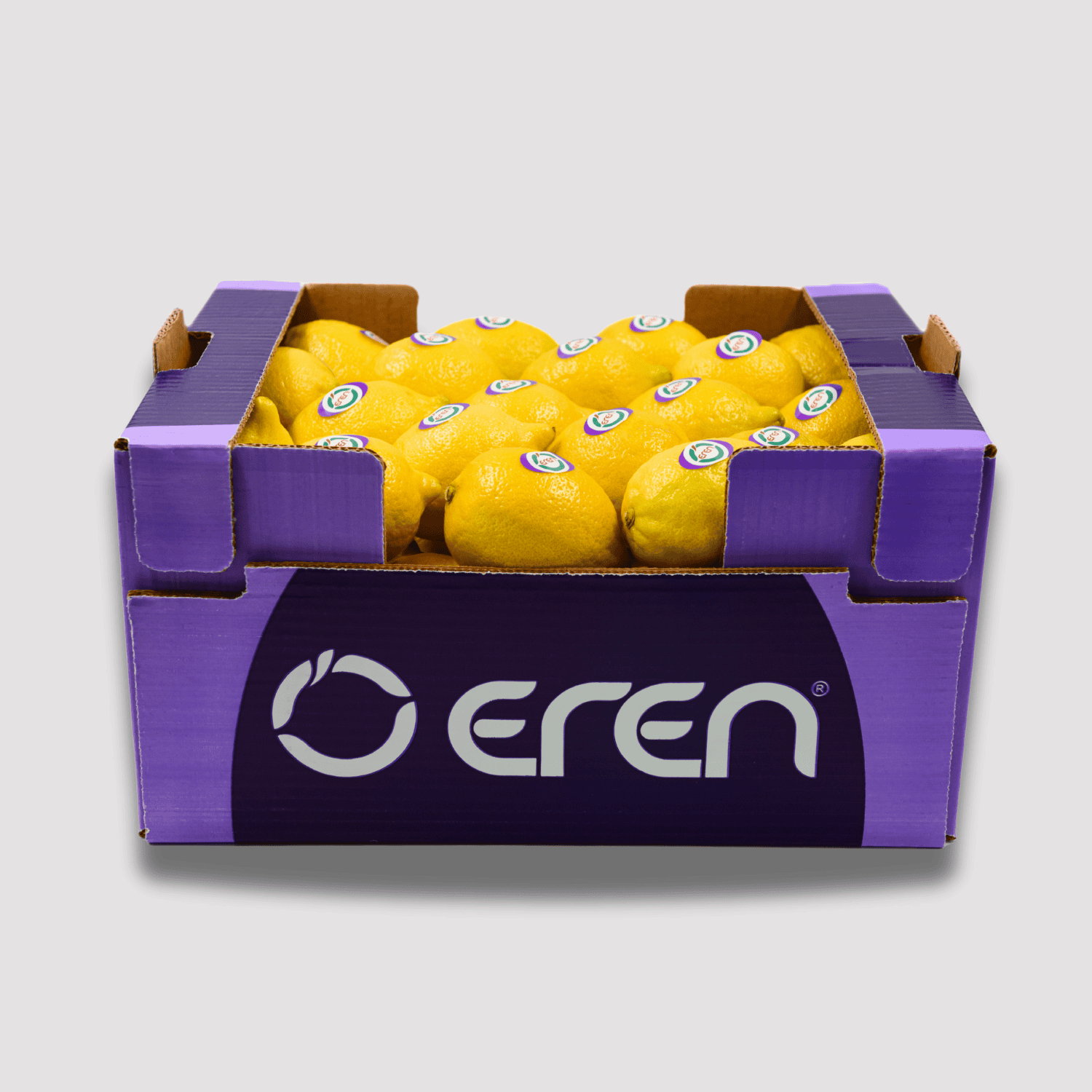
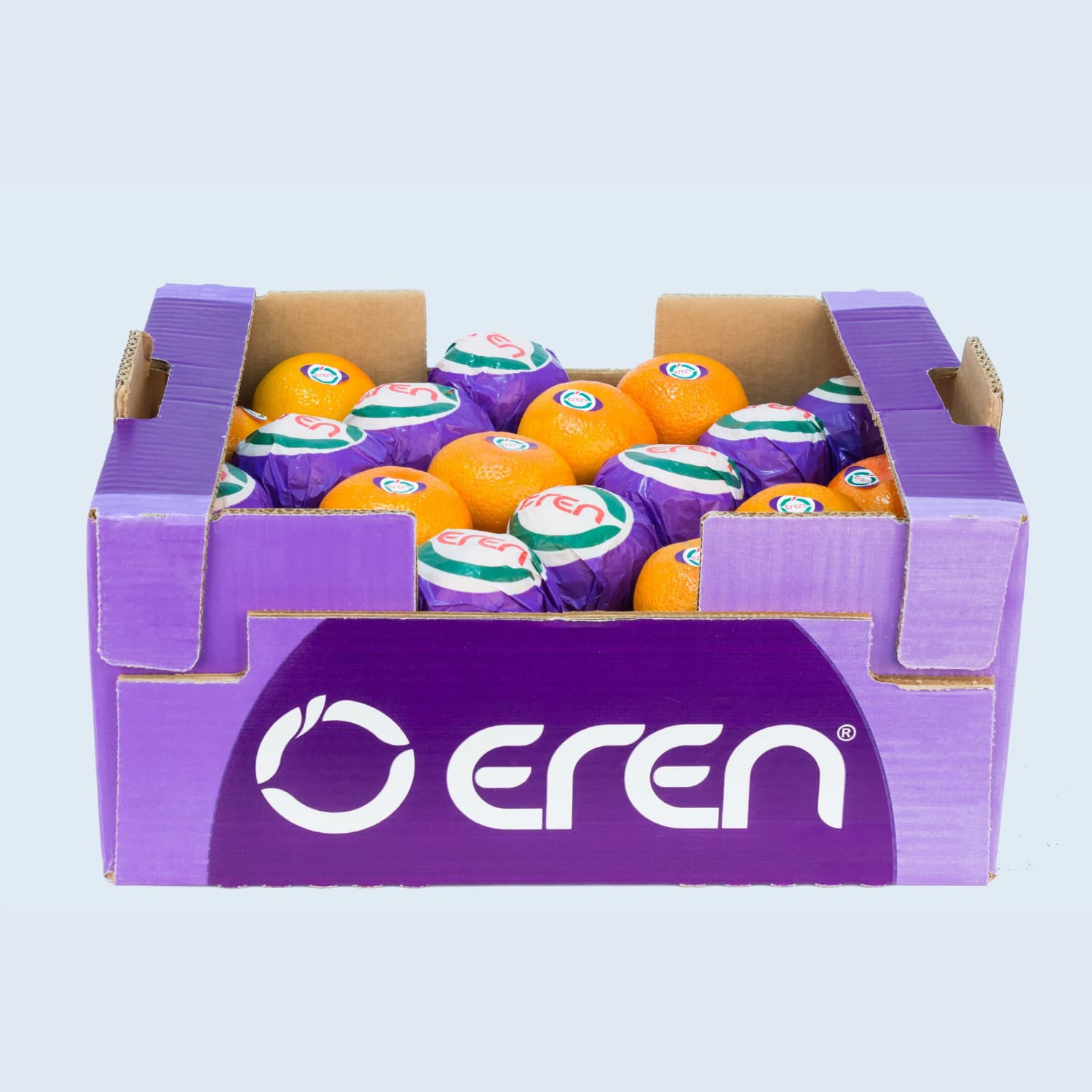
Lemon varieties like the iconic Lamas lemon are harvested across extended windows, giving exporters flexibility that many competing origins cannot match. Mandarin varieties, including the beloved Dobashi Beni, bring stunning color and exceptional sweetness to markets that are increasingly sophisticated in their citrus preferences. And Valencia oranges, as already noted, are beginning to carve out real territory in markets like India where supply transitions create genuine opportunity for exporters who are ready to move quickly.
| Citrus Variety | Peak Season Window | Key Export Markets |
|---|---|---|
| Lamas Lemon | November through April | Europe, Russia, Middle East |
| Dobashi Beni Mandarin | October through January | Eastern Europe, Southeast Asia |
| Valencia Orange | April through July | India, Northern Europe, Africa |
| Grapefruit | December through March | Russia, Canada, West Europe |
Why Turkish Citrus Stands Apart From the Competition
It is worth spending a moment on what actually makes Turkish citrus different — not just as a marketing claim, but as a verifiable product reality. The fruit grown in Anatolia benefits from what growers and food scientists call a high diurnal temperature range. That means the difference between daytime highs and nighttime lows is significant enough to slow sugar metabolism in the fruit during cooler nights, which concentrates natural sugars and builds the kind of aromatic complexity that cheaper, climate-homogenous origins struggle to replicate. When you taste a Lamas lemon from the Mersin region against a commodity lemon from a less differentiated origin, the gap is not subtle.
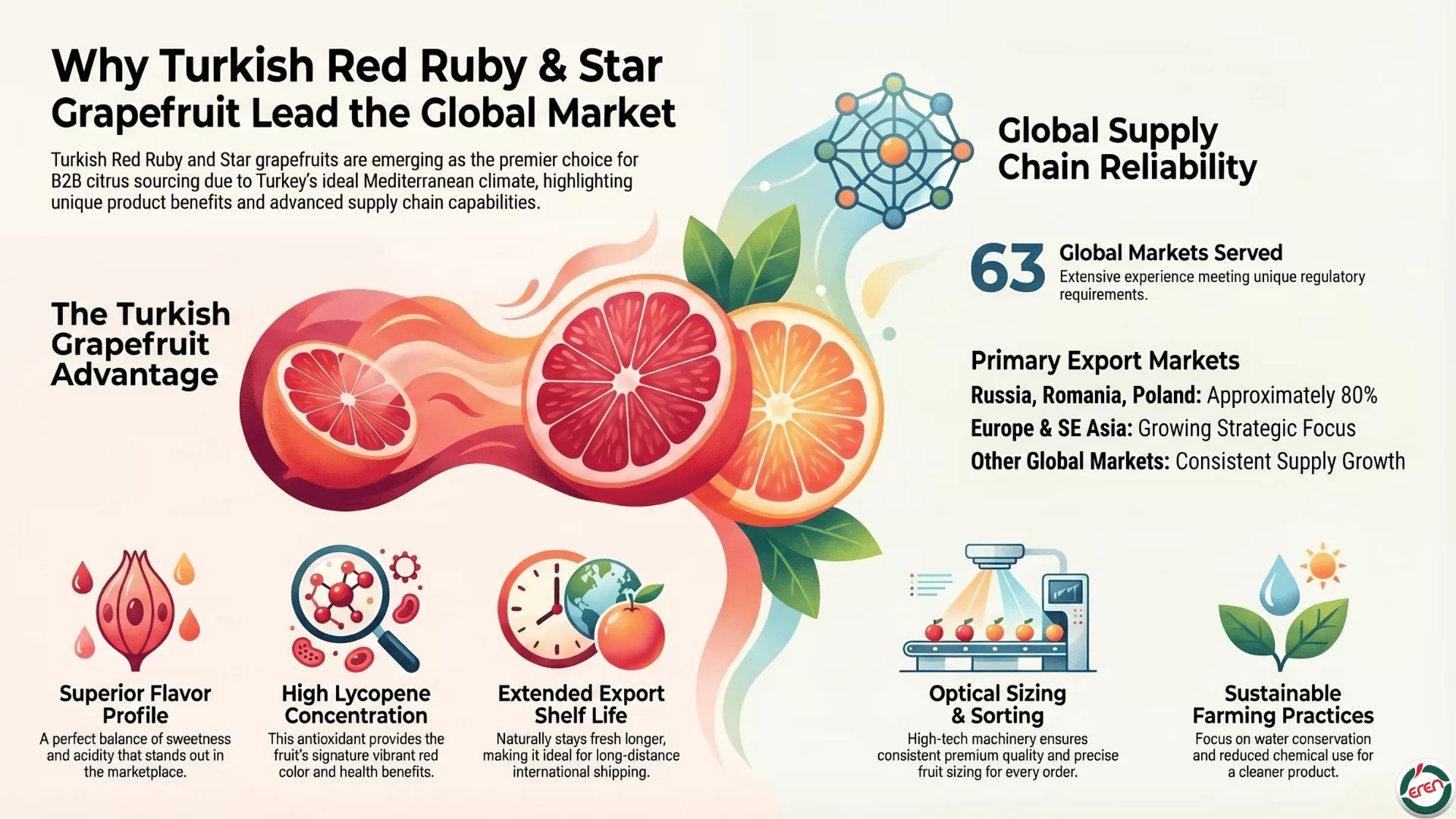
Beyond flavor, Turkish citrus also performs well in transit. Lamas lemons in particular have a skin thickness and structural integrity that gives them excellent shelf life under cold chain conditions. For importers dealing with long shipping lanes — think Southeast Asia, Canada, or Northern Europe — this matters enormously. Fruit that arrives looking and tasting the way it should is fruit that builds relationships with end consumers and drives repeat purchasing.
Global Logistics Are Reshaping How Citrus Moves
The produce logistics world is evolving fast, and the most forward-thinking exporters are paying close attention. Companies like SanLucar have recently made headlines by opening a new highly automated logistics and administrative hub near Rotterdam in Ridderkerk, Netherlands — a facility specifically designed to consolidate their overseas trade and daily Benelux operations while managing logistics, storage, and distribution for table grapes, berries, and stone fruits. The move signals where the industry is heading: purpose-built infrastructure that supports speed, consistency, and scale.
For Turkish citrus exporters and the buyers who work with them, this trend toward logistics sophistication is both an inspiration and a benchmark. The seasonal citrus guide for Turkey makes clear that timing and logistics alignment are everything — getting the right fruit into the right cold chain at the right moment is what separates a good season from a great one commercially. Suppliers who have invested in their own logistics infrastructure, including reefer containers, trucking solutions, and air cargo capacity, are the ones consistently delivering on their promises.
Frequently Asked Questions About Turkish Citrus
When is the best time to buy Turkish lemons for export?
The best window for sourcing Turkish Lamas lemons runs from November through April, with peak quality typically hitting in the December to February stretch. During this period, fruit sugar levels and juice content are at their highest, and post-harvest handling conditions are ideal due to cooler ambient temperatures. Buyers who place forward orders before the season peaks consistently lock in better pricing and priority access to premium grades.
How does Turkey compete with South African and Egyptian citrus in global markets?
Turkey and South Africa actually serve different seasonal windows in many markets, which means they complement each other more than they directly compete in most scenarios. Egypt has traditionally been a major supplier to markets like India, but quality inconsistencies and long transit times have been eroding its position — and as Turkish Valencia orange shipments begin hitting the Indian market from late July onward, Turkish exporters are well-positioned to step into that space. Turkey's combination of proximity to European markets, strong cold chain infrastructure, and exceptional flavor profiles gives it a durable competitive position.
What citrus varieties does Turkey export most?
Turkey's primary citrus exports include Lamas lemons, Dobashi Beni mandarins, Valencia oranges, and various grapefruit varieties. Among vegetable exporters near me and fruit-focused buyers across Europe, Turkey's lemons are perhaps the most recognized and demanded product. However, mandarin exports have been growing rapidly, particularly to Southeast Asian markets where the rich color and sweetness of Dobashi Beni varieties command premium positioning in retail environments.
Is Turkish citrus available year-round?
The overlapping harvest windows of different Turkish citrus varieties mean that supply is available for a significant portion of the year, though not continuously. By staggering procurement across lemon, mandarin, orange, and grapefruit seasons, buyers can maintain relatively consistent access to Turkish citrus from October through July. Working with a supplier who manages multiple varieties across multiple growing regions — as opposed to a single-crop operation — gives you far more flexibility in building a year-round sourcing plan.
How Top Exporters Are Serving the Citrus Market
When you look at the top vegetable exporting countries and leading produce exporters globally, what they share in common is institutional depth. They are not just selling fruit — they are managing complexity at scale. That means customs knowledge across dozens of markets, packaging flexibility to meet retailer specifications in different countries, cold chain execution that does not break down at the critical moments, and sales teams that can communicate effectively across cultures and languages.
This is exactly what sets established Turkish exporters apart from newer or smaller operations. Among turkish fruits and vegetables exporters, the ones with genuine staying power are those who have invested in people, processes, and infrastructure over many years — not just in the farms and orchards themselves. It is that institutional capability that makes the difference between a one-off transaction and a long-term supply relationship built on trust and consistent performance.
| Exporter Capability | Why It Matters for Buyers |
|---|---|
| Multi-market customs expertise | Smooth clearance and fewer delays at destination ports |
| Optical sorting and grading technology | Consistent grade conformity across every shipment |
| Own logistics department | Full control over cold chain from pack-house to buyer |
| Multi-language sales team | Clear communication with buyers across diverse markets |
| Grower-exporter status | Direct quality control from the orchard forward |
Why Eren Is the Right Citrus Partner for Serious Buyers
Since 1993, Eren has been doing what most produce exporters only talk about — building a genuinely reliable, multi-market, multi-variety export operation from the ground up. Starting in Mersin as a focused citrus exporter serving Russia and Southern Europe, the company has grown steadily and deliberately into one of Turkey's most capable fresh produce exporters. Their move to a dedicated production facility in the Tarsus region in 2006 was a turning point, opening the doors to Southeast Asia, Canada, Africa, and Northern Europe markets that would have been difficult to serve without that infrastructure investment.
Today, Eren exports to 63 countries with more than 60 product varieties under their belt. Their sales department operates in 7 languages, which means whoever you are and wherever you are buying from, you are not translating between cultures — you are communicating directly with people who understand your market's specific preferences, packaging requirements, and customs landscape. During peak season, the Eren team exceeds 1,000 personnel, which tells you something about the operational scale they are running at.
What is also worth noting is that Eren is not just an exporter — they are an actual grower with their own citrus and cherry gardens. That grower perspective flows through every decision they make, from partner farm selection to post-harvest handling protocols. Their state-of-the-art optical sizing and sorting machines ensure that the grade you specify in your contract is the grade that arrives at your facility. And their logistics department — which handles trucking, reefer containers, and air cargo through a dedicated Air Cargo division with its own R&D function — means you have a single partner managing the entire journey from orchard to destination.
If you are serious about sourcing the finest Turkish citrus this season, whether you are building a year-round lemon supply program, exploring mandarin options for specialty retail, or positioning your business to capture the emerging Valencia orange opportunity in markets like India, then the next step is clear. Connect with Zupricer today and get matched with the right citrus sourcing solution for your business. The season moves fast, and the buyers who act early are consistently the ones who come out ahead.