 Lemon
Lemon Mandarin
 Orange
 Grapefruit
 Fruits
 Vegetables
📋 Table of Contents
Fresh Turkish Figs: Export Fig Varieties You Can Trust
Fresh Turkish Figs: Export Fig Varieties You Can Trust
If you have ever bitten into a sun-ripened Turkish fig, you already know why buyers from Rotterdam to Toronto keep coming back for more. There is something almost unfair about how good turkish figs taste compared to the dry, flavorless versions sold in most supermarkets abroad. Turkey does not just grow figs — it grows a culture around them, one that stretches back thousands of years across the fertile valleys of Aydın, Bursa, and Mersin.
This guide is written for two kinds of readers: people searching for genuinely fresh turkish figs for their table, and importers, distributors, and retail buyers who need a reliable partner for bulk turkish figs at commercial scale. Whether you are hunting for the best turkish figs for a specialty grocery shelf or trying to lock in a supply contract before the season closes, this article walks through everything worth knowing in 2026.
What Makes Fresh Turkish Figs Special
Turkey's fig advantage is not marketing — it is geography. The Aegean and Marmara regions sit at almost the exact latitude and climate band that fig trees evolved to thrive in: long, dry summers, cool nights that concentrate sugars, and centuries-old orchard know-how passed down through generations of growers. This is why a turkish fig picked at the right moment carries a depth of flavor — honeyed, slightly nutty, faintly floral — that is genuinely difficult to replicate anywhere else.
Freshness is the other half of the story. A fig does not ripen further once picked, and it does not tolerate rough handling. That means the entire chain — picking time, cold room temperature, packing speed, and cargo routing — determines whether a batch of turkish figs arrives at destination as a premium product or a soft, bruised disappointment. Exporters who understand this treat fig logistics almost like a pharmaceutical operation: temperature-controlled from the moment the fruit leaves the branch.
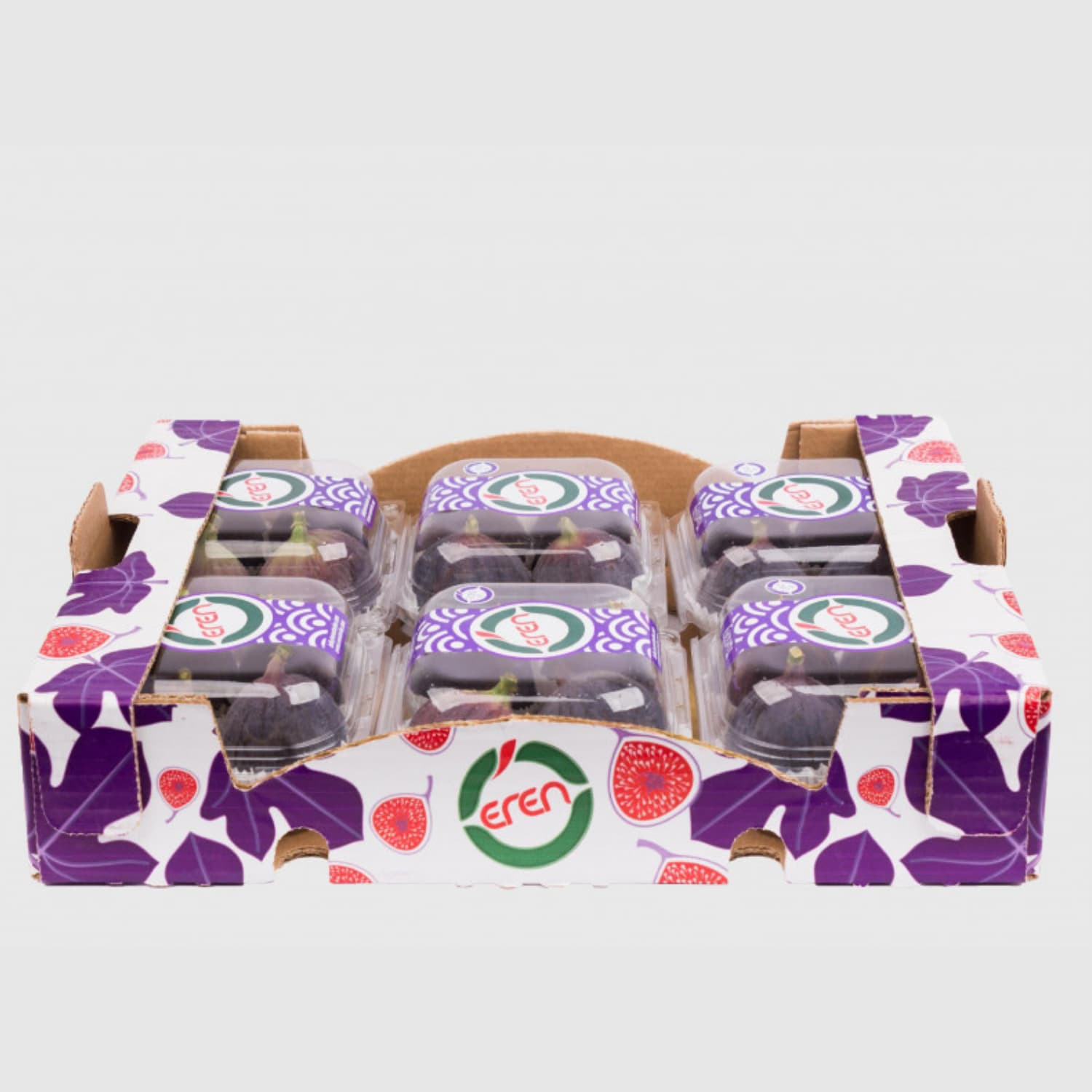
For buyers comparing suppliers, three things separate ordinary product from truly premium fresh turkish figs: harvest timing (figs picked slightly under-ripe travel better but must still hit sugar thresholds), packing format (single-layer trays reduce pressure bruising versus stacked bulk crates), and cold chain discipline from farm to port. Ask any serious buyer and they will tell you the difference shows up within 48 hours of delivery — either the fruit still looks like it did in the photo, or it does not.
Turkish Fig Varieties: From Bursa Siyahı to Turkish Gold Fig
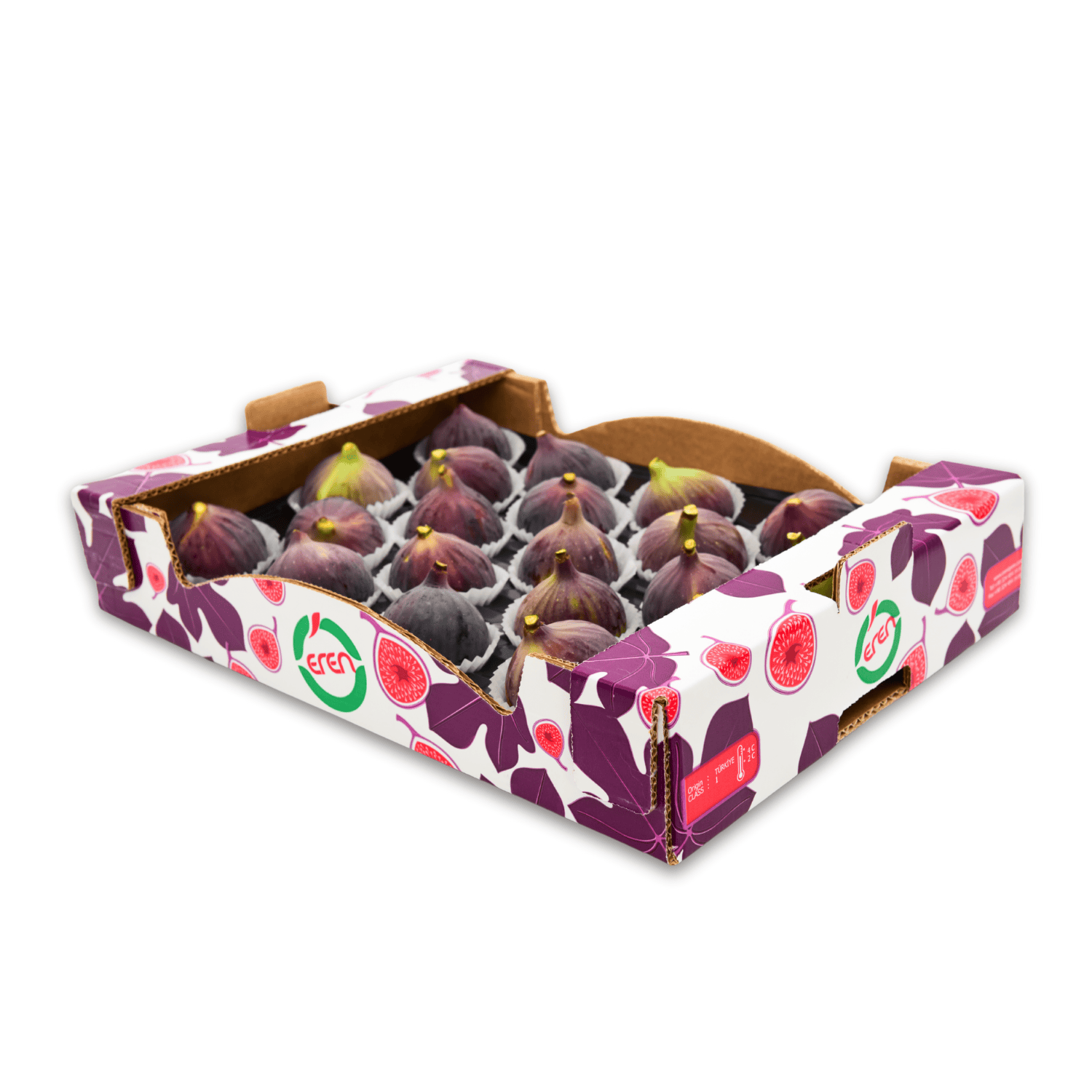
Not all figs grown in Turkey are the same fruit wearing different labels. There are genuinely distinct turkish fig varieties, each tied to a specific region, harvest window, and flavor signature. Understanding the differences matters whether you are a home cook choosing between a white turkish fig and a darker one, or a buyer building a product mix for a seasonal catalog.
Bursa Siyahı — The Signature Black Fig
Bursa Siyahı is arguably the most internationally recognized turkish black fig. Grown around Bursa and the wider Marmara belt, it has a deep purple-black skin, a dense sweet interior, and a reputation strong enough that European retail buyers often ask for it by name rather than by generic category. It is the variety currently at the center of the market in September, since Bursa's main harvest window runs deep into the season.
The Aydın and Adana-Mersin Early Fig
Before Bursa Siyahı hits full stride, earlier regions like Aydın and the Adana-Mersin belt open the season with their own black fig strains. These act almost like a preview harvest — smaller volumes, but they establish early market pricing and give buyers a first read on how the year's crop is shaping up in terms of size, sugar content, and overall quality.
Brown and Gold Fig Types
Alongside the black varieties, Turkey also produces a brown turkish fig type with a lighter amber-brown skin and a milder, less intensely sweet profile — often preferred by buyers who want a fig that pairs well with cheese boards and charcuterie rather than standing alone as a dessert fruit. Separately, the turkish gold fig designation refers to a lighter-skinned, honey-toned variety prized for its almost caramel-like interior; it tends to command a premium in specialty retail because of its striking appearance and less common availability.
White and Light-Skinned Figs
Then there is the white turkish fig family — pale green to yellow-skinned fruit with a translucent, jam-like flesh once fully ripe. Buyers looking for white turkish figs in bulk should note that this type is generally more delicate in transit than the black varieties, so packing and cooling discipline matter even more here.
| Variety | Skin Color | Main Region | Flavor Profile |
|---|---|---|---|
| Bursa Siyahı (Turkish Black Fig) | Deep purple-black | Bursa / Marmara | Dense, deeply sweet |
| Aydın / Adana-Mersin Early Fig | Dark, smaller size | Aegean / Southeast Mediterranean | Bright, slightly less concentrated sugar |
| Brown Turkish Fig | Amber-brown | Aegean belt | Mild, nutty, pairs well with cheese |
| Turkish Gold Fig | Honey-gold | Aegean belt | Caramel-like, rich |
| White Turkish Fig | Pale green-yellow | Aegean belt | Delicate, jammy, floral |
Turkish Black Fig vs Brown Turkish Fig: Key Differences
Buyers new to the category often ask the same question: is a turkish black fig simply a darker version of a brown turkish fig, or are they genuinely different products? The honest answer is that both color and cultivar matter here. The black varieties, led by Bursa Siyahı, tend to have thicker skins that hold up slightly better during long-haul shipping, along with a more assertive, syrupy sweetness. The brown varieties are generally softer-skinned, milder in sugar intensity, and often favored in markets where figs are eaten alongside savory foods rather than as a standalone sweet snack.
From a commercial standpoint, this distinction shapes ordering strategy. A distributor supplying high-end grocery chains focused on snacking fruit will typically lean toward the black varieties for their visual appeal and shelf stability. A specialty importer supplying cheese shops, wine bars, or gourmet delis may specifically request the brown or gold varieties because of how well they complement other products on the shelf. Neither is objectively "better" — the right choice depends entirely on how the fig will ultimately be sold.
Inside the 2026 Turkish Fig Harvest Season
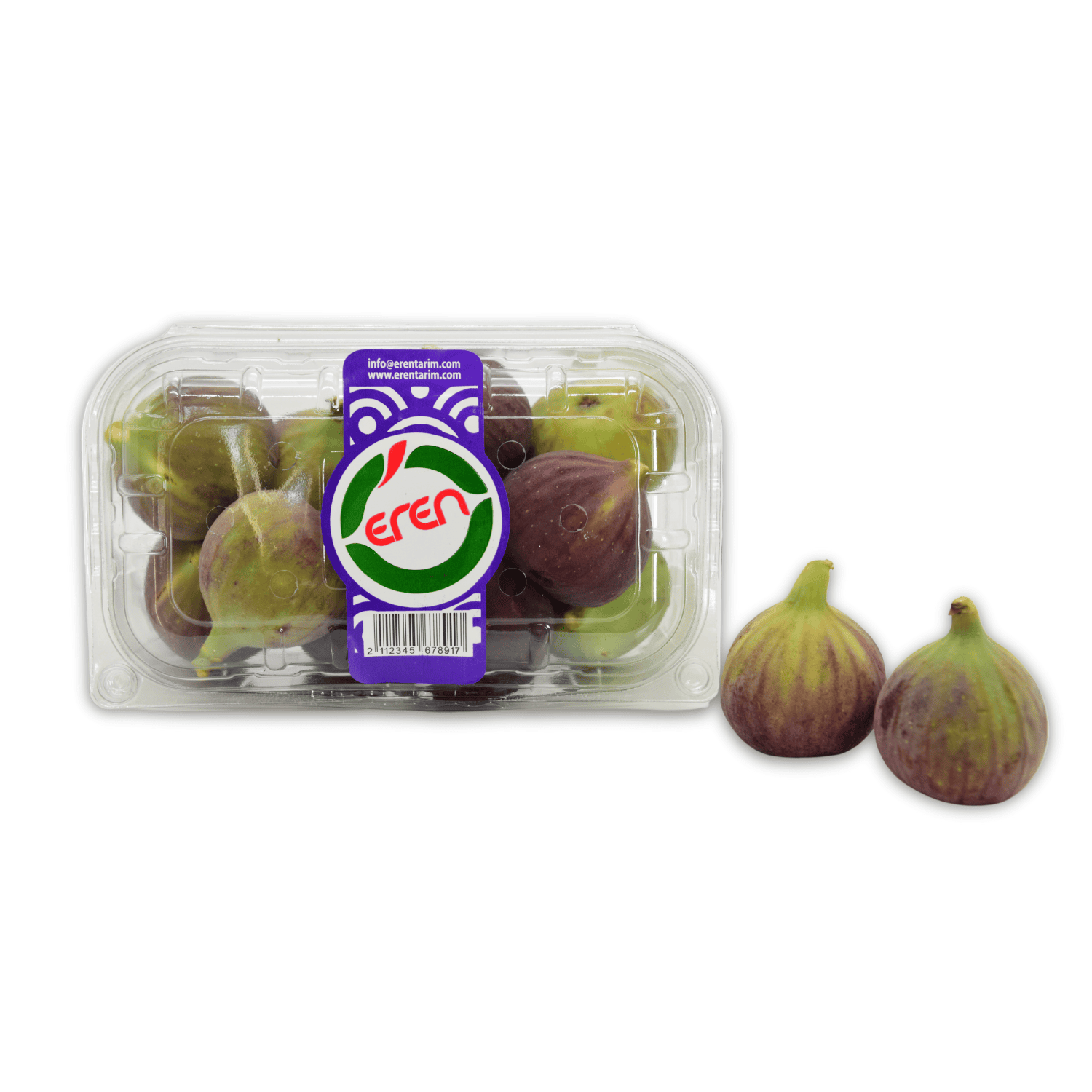
The 2026 season has shaped up to be an unusually informative year to watch, both for volume and for how the market is absorbing that volume. In late August, Turkey's Ministry of Agriculture and Forestry indicated that the country's total fresh fig output for the year was expected to land around 388,000 tons, with Turkey accounting for roughly 28 percent of global fig production. It is worth noting that this figure covers the entire domestic fresh fig crop rather than only the export-grade black fig destined for international markets, so it should not be read as a one-to-one measure of exportable Bursa Siyahı volume. Even so, the scale of the number confirms that 2026 is not a shortage year.
The Regional Harvest Calendar
Turkey's fig season unfolds in a rolling sequence from south to north. Official trade records show the Adana-Mersin black fig region opening for export in mid-July, followed by Aydın at the end of July, with Bursa Siyahı's official cutting and export window beginning in the third week of August. By early-to-mid September, the center of commercial gravity has clearly shifted north to Bursa, which now carries the bulk of both domestic and export attention. Industry harvest calendars for the year extend the active Bursa Siyahı picking window from early August through mid-October, meaning the entire month of September sits squarely inside peak season.
Producer-Side Pressure in the Bursa Region
What makes this season particularly worth watching is a tension that has surfaced on the ground in Bursa over the past couple of weeks. Local grower associations in areas such as Mudanya have publicly raised concerns about purchasing quotas, the capacity of local buying stations and weighing points, and prices they feel do not reflect the effort of production. Similar concerns surfaced in nearby producing areas, where growers reported difficulty finding buyers willing to purchase at the volumes and terms they expected. At the Osmangazi Black Fig Festival held in early September, growers voiced disappointment that this year's prices had not met expectations, prompting local officials to call for greater economic support for the sector.
The important nuance here is that this is not a supply shortage pushing prices up — it is closer to the opposite. The crop exists in strong volume, but in some areas the pace at which buyers can absorb and process that volume has not kept up, which has put localized downward pressure on farm-gate prices. Reading this as a demand collapse would be a mistake; it looks much more like a short-term bottleneck in local buying capacity meeting an abundant harvest.
What the Numbers Show at Wholesale Level
A snapshot from the Bursa wholesale produce market in mid-September placed Turkish black fig pricing in a fairly wide band, ranging from roughly 55 Turkish lira per kilogram at the low end up to about 110 lira per kilogram at the high end, with an average landing somewhere around the mid-80s. It is worth being precise about what this number does and does not represent: wholesale market pricing reflects a broad mix of qualities and calibers moving through the domestic market, not the price paid for export-grade fruit meeting the size, sugar, cosmetic, and shelf-life standards that international buyers require. Export packing typically commands a distinct and separately negotiated price because of the extra grading, calibration, and quality control involved.
The practical takeaway for buyers is that this wide domestic price band signals a market currently absorbing fruit across many quality tiers at once. For a supplier positioned to consistently deliver well-colored, properly ripened, good-shelf-life turkish black fig product that meets export specification, that consistency remains a distinct and valuable proposition even in a season where lower-grade fruit is pulling down the general price picture.
| Region | Export Season Start (2026) | Market Status (as of September) |
|---|---|---|
| Adana / Mersin | Mid-July | Early season, largely completed |
| Aydın | End of July | Harvest well advanced |
| Bursa | Third week of August | Peak season, main harvest window |
The European Market Picture Looks More Balanced
Trade coverage out of Europe tells a somewhat different story than what is being felt at the farm gate in Turkey. Produce market reporting out of the United Kingdom in early September indicated that Turkish Bursa black figs were expected to remain available throughout the month, offering roughly a two-month sales window — notably longer than the shorter season typically associated with France's Solliès black fig. Separately, trade commentary from late August described early Turkish fig shipments moving quickly through European channels, with the Netherlands, Germany, Belgium, France, and Scandinavian markets identified as key destinations.
Put together, this paints an interesting split picture. On the Turkish producer side, supply is abundant and some local buying capacity is under strain, putting pressure on farm-gate pricing. On the European retail and distribution side, Turkish fruit is moving actively through the channel, Bursa Black retains strong brand recognition among buyers, and demand has not collapsed. The more accurate read is less "European demand disappeared" and more "Turkey's abundant harvest is arriving faster than some local buying infrastructure can absorb, even as international demand continues at a healthy pace" — which is precisely the kind of environment where working with an established, well-capitalized exporter matters most.
Where to Buy Turkish Figs: Wholesale, Bulk, and Export Options
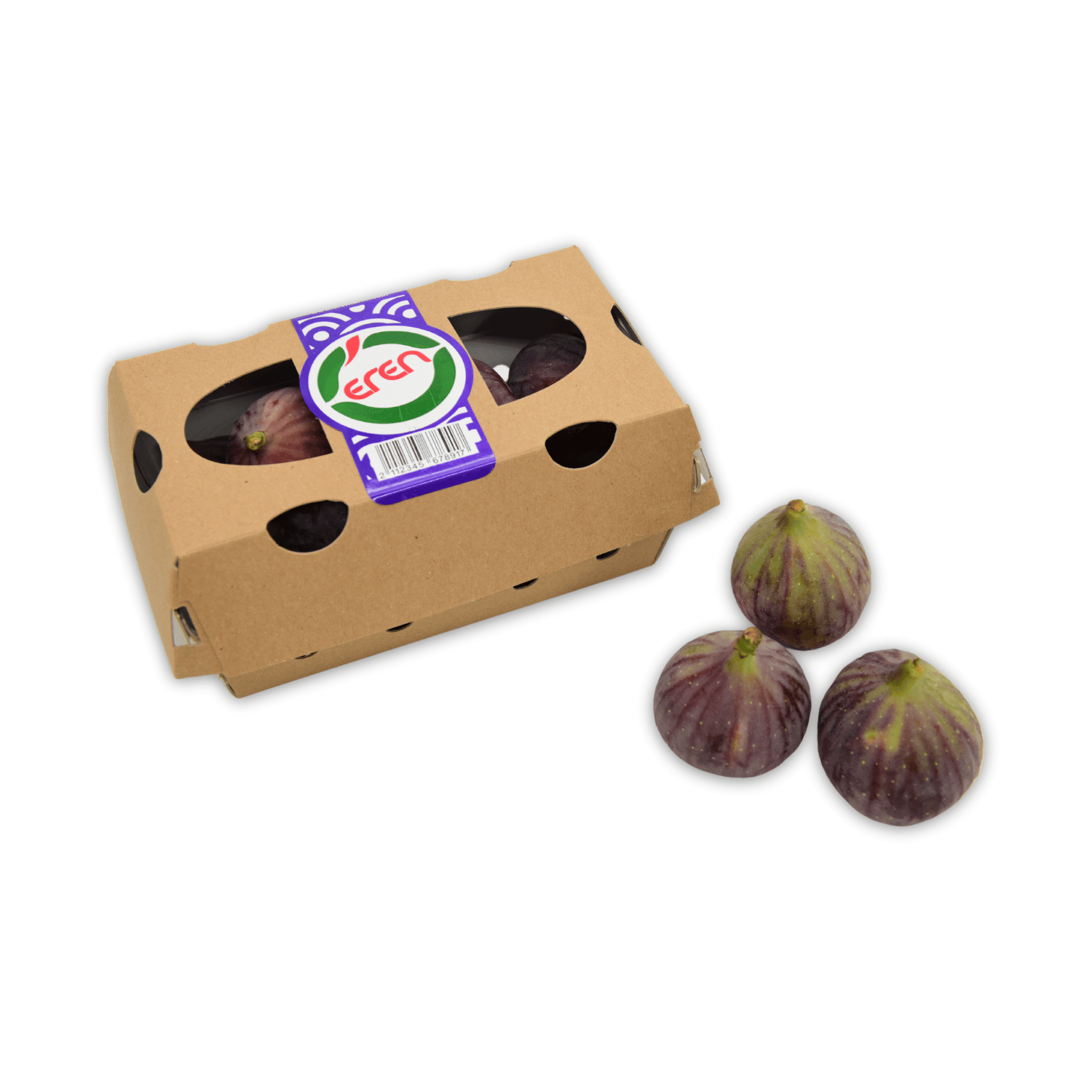
Sourcing bulk turkish figs is a different exercise than picking up a punnet at a local market, and it pays to understand the layers involved. At the base of the chain sit the growers and regional cooperatives, followed by packing houses that grade, sort, and cool the fruit, and finally exporters who manage international logistics, documentation, phytosanitary certification, and cold-chain shipping to destination markets.
For commercial buyers — importers, wholesalers, retail chains, or foodservice distributors — the key questions to ask any potential supplier are straightforward but often overlooked: What calibration and grading standards are used? What is the cold chain protocol from orchard to port? Which incoterms and shipping methods (air freight for premium fresh product, reefer container for larger volumes) are available? And critically, does the supplier have direct grower relationships, or are they simply reselling third-party product with less control over quality consistency?
An exporter with its own production facilities, quality control department, and optical sorting technology can offer a level of consistency that a pure trading intermediary usually cannot. This becomes especially important in a season like 2026, where wide domestic price bands suggest highly variable quality is moving through the general market — meaning a buyer's due diligence on their supplier's grading standards matters more than ever this year.
Turkish Figs Online vs Turkish Figs Near Me
Two very different buyer journeys tend to converge on this topic. Consumers searching for turkish figs near me are usually looking for a specialty grocer, Mediterranean market, or seasonal farmers market stocking imported fresh figs during the short window they are actually available abroad — typically late summer into early autumn, mirroring Turkey's own harvest calendar. Because fresh figs are so perishable, "near me" searches often lead to a fairly short list of stores that actually carry them reliably.
On the other hand, buyers searching for turkish figs online tend to fall into two camps: consumers looking for dried fig products (which ship far more easily than fresh fruit) and B2B buyers researching potential export partners before making direct contact. For fresh fruit specifically, online sourcing usually means connecting with an exporter or distributor directly rather than expecting fresh figs to arrive through a standard e-commerce checkout — the cold chain requirements simply do not suit typical parcel shipping.
Understanding which of these two journeys a given search represents matters enormously for how a fig business should present itself online: consumer-facing retail information for the "near me" audience, and clear B2B contact pathways, certifications, and capacity information for the "online" export-focused audience.
Export Fig Market: Turkey's Place Among Fig Exporting Countries
Among the world's fig exporting countries, Turkey sits in a category of its own, and the 2026 season's production figures reinforce why. With Turkey responsible for close to 28 percent of global fig output this year, no other single producing nation comes close to matching that combination of scale, established growing regions, and generations of specialized cultivation knowledge. Countries like Egypt, Algeria, Morocco, Iran, and the United States all contribute meaningfully to the global fig trade, but Turkey's structural advantages — climate, regional variety diversity, and decades of export infrastructure built specifically around fresh produce — keep it positioned as the reference point the rest of the industry measures itself against.
This is precisely why an export fig buyer looking for consistency across seasons tends to gravitate toward Turkish suppliers first. It is not simply about volume; it is about a supply chain that has weathered decades of shifting demand, currency swings, and shipping disruptions while still delivering fruit that performs at destination.
Trader Joe's Turkish Figs and the Retail Fig Boom
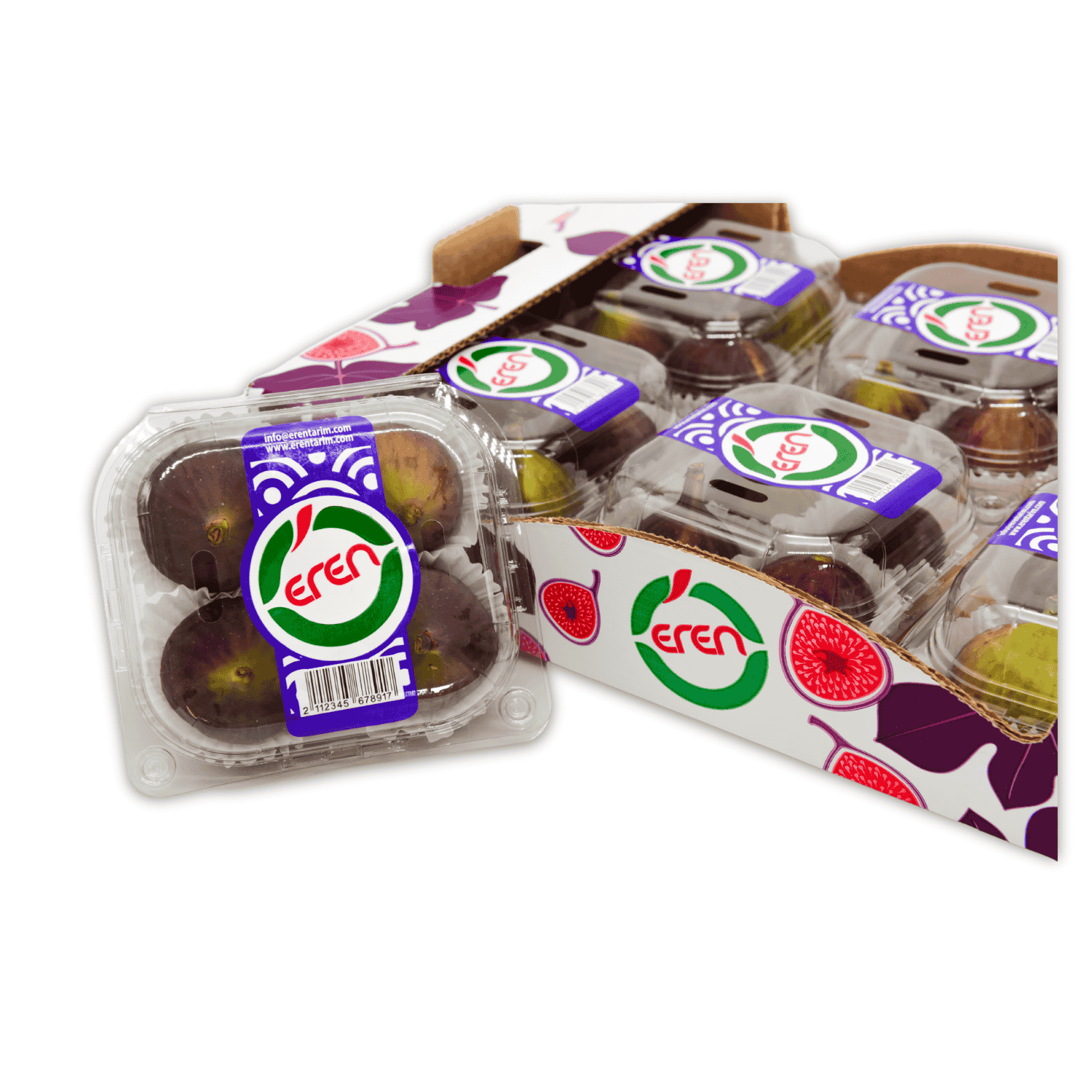
One sign of how mainstream imported figs have become in North American retail is the seasonal appearance of trader joe's turkish figs on store shelves each year. Specialty grocers spotting a genuine consumer appetite for premium fresh fruit have helped normalize Turkish figs well beyond ethnic or specialty food aisles, placing them squarely in the seasonal produce rotation alongside stone fruit and berries.
This retail visibility matters for the wider export picture because it builds consumer familiarity, which in turn supports demand at the wholesale and distribution level throughout the season. When shoppers already recognize the name and expect to see figs appear each autumn, retailers have more confidence placing larger orders — which ultimately benefits the entire chain, from Turkish growers up through exporters and distributors.
Why FreshAnatolia Is Your Trusted Export Fig Partner
Choosing the right partner for fresh turkish figs or any other fresh produce category comes down to a simple question: can they deliver consistent quality, at scale, season after season, regardless of market noise? FreshAnatolia, part of the Eren group, has built its reputation around exactly that kind of reliability.
Eren was established in 1993 in Mersin as a small export company focused initially on citrus exports to Russia and South Europe. Over the following decades, the company expanded its main office in Mersin, broadened into new fruit varieties, and opened new markets across Eastern and Western Europe. A pivotal step came in 2006, when Eren moved into its own production facility in the Tarsus region — a turning point that allowed the company to expand into Southeast Asia, Canada, Africa, and Northern Europe while growing its product range to cover the full spectrum of fruits and vegetables available in Turkey.
Today, Eren exports to 63 countries and manages more than 60 product varieties. Since 2014, the company has invested heavily in institutionalization: a modernized digital presence, software-controlled production tracking, a dedicated quality control department, state-of-the-art optical sizing and sorting machinery, and ongoing R&D programs. With sales staff speaking seven languages and a workforce exceeding 1,000 people during peak season, Eren is built to handle the complexity of dozens of different regulatory, packaging, and cultural requirements across its markets. A dedicated in-house logistics division provides trucking, container, reefer, and air cargo solutions with flexible INCOTERMS, including a specialized air cargo unit with its own R&D focus for time-sensitive fresh produce like figs.
Eren is also a grower in its own right, maintaining orchards producing citrus and cherries — giving it firsthand understanding of what growers experience each season, including the kind of pricing and buying-capacity pressures currently playing out in Bursa. That perspective, combined with decades of export infrastructure, is what allows FreshAnatolia to consistently deliver on both quality and reliability, season after season.
Frequently Asked Questions
What is the difference between a Turkish black fig and other fig varieties?
A turkish black fig, most notably Bursa Siyahı, has a deep purple-black skin and a dense, intensely sweet flesh, distinguishing it from the milder brown, golden, or pale-skinned white varieties also grown across Turkey's Aegean and Marmara regions.
When is the best time to buy fresh Turkish figs?
The Turkish fig season runs from mid-July through roughly mid-October, moving north from Adana-Mersin through Aydın and finally into peak Bursa season, which typically represents the height of availability from late August through September.
Are Turkish figs available in bulk for commercial buyers?
Yes. Established exporters supply bulk turkish figs to wholesalers, importers, and retail chains worldwide, with cold-chain logistics, grading standards, and shipping methods tailored to commercial-scale orders.
Why do some Turkish fig varieties cost more than others?
Pricing reflects a combination of variety scarcity, grading standard, cosmetic quality, and shelf life. A turkish gold fig, for example, is less widely available than standard black fig varieties and often commands a premium in specialty retail settings.
Where can I find genuinely fresh Turkish figs near me?
Specialty grocers, Mediterranean markets, and select seasonal retailers are the most reliable places to find imported fresh figs during their short late-summer to early-autumn availability window.
The 2026 season has been a genuinely interesting one to track — strong national production, a clear regional harvest rhythm, some real friction at the farm-gate level in Bursa, and a European market that continues to absorb Turkish fruit with confidence. For buyers navigating that mix, the value of working with an established, vertically integrated exporter has rarely been clearer. If you are ready to source premium turkish figs for the season ahead, reach out to the FreshAnatolia team and let Eren's three decades of export experience work for you.