 Lemon
Lemon Mandarin
 Orange
 Grapefruit
 Fruits
 Vegetables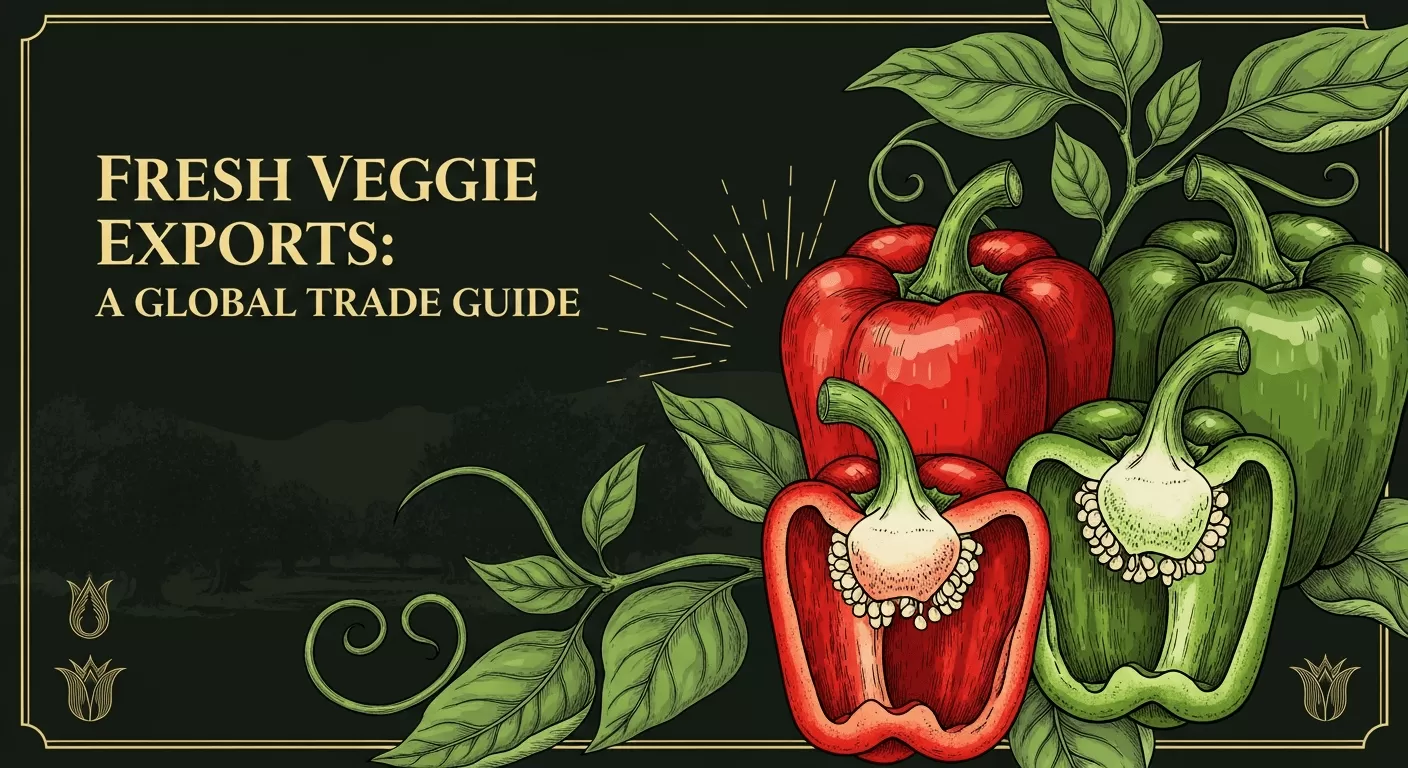
📋 Table of Contents
Fresh Veggie Exports: A Global Trade Guide
Whether you are just stepping into the world of agricultural trade or you have been shipping produce across borders for years, understanding how the global vegetable market actually works can make or break your business decisions. From seasonal demand spikes to shifting consumer habits in key importing regions, being a successful fresh vegetable exporter means staying ahead of trends, not just reacting to them. This guide breaks it all down in plain terms.

Understanding the Global Fresh Vegetable Export Market
The global trade in fresh vegetables has grown remarkably over the past two decades. Advances in cold chain logistics, refrigerated shipping containers, and more efficient customs procedures have made it possible to move perishable goods across continents with minimal loss. But the market is far from predictable. Demand can surge overnight based on weather, consumer trends, or even a single news cycle.
One thing that is consistent, though, is that the countries with the strongest agricultural infrastructure tend to dominate. If you want to understand where the industry is heading, it helps to first look at who is leading it right now. The biggest vegetable exporters in the world include China, the Netherlands, Mexico, Spain, and Turkey — each with their own competitive advantages ranging from climate to proximity to major consumer markets.
| Country | Key Export Vegetables | Primary Markets |
|---|---|---|
| China | Garlic, Onion, Ginger | Southeast Asia, Europe |
| Netherlands | Tomato, Pepper, Cucumber | Germany, UK, France |
| Mexico | Avocado, Tomato, Squash | USA, Canada |
| Spain | Lettuce, Pepper, Artichoke | Western Europe |
| Turkey | Tomato, Cucumber, Eggplant | Europe, Russia, Middle East |
How Weather Events Disrupt Vegetable Trade Flows
If there is one variable that keeps exporters up at night, it is the weather. Recent heat waves across Europe have shown just how quickly market conditions can shift. A Dutch wholesaler reported that general fruit and vegetable trade slowed significantly across the Netherlands, Germany, and Belgium due to extreme heat. Most product categories stalled — but watermelons, particularly those sourced from Morocco, hit record sales while prices remained at manageable levels. This kind of demand polarization is something every vegetable exporting countries exporter should plan for.
At the same time, European greenhouse and open-field producers came under serious pressure. Cucumber production alone dropped by an estimated 15 to 20 percent during the same heat period. Tomatoes told a different story — sales moved fast and prices rose sharply, with demand in France reportedly doubling or even tripling in some regions. When you export fruits and vegetables, events like this create very real windows of opportunity, especially for exporters who already have established logistics and market relationships in place.
What Vegetable Exporting Countries Do Differently
The top vegetable exporting countries share some common practices that separate them from the pack. They invest heavily in post-harvest handling, maintain consistent quality standards, and adapt packaging to suit different markets. They also tend to have strong government support in the form of trade agreements, export incentives, and phytosanitary infrastructure that makes it easier to clear customs in destination countries.
Turkey, for example, has evolved into one of the most versatile agricultural exporters in the world. Companies like Eren, established in Mersin back in 1993, started with a narrow focus on citrus exports to Russia and Southern Europe. Over the decades, Eren expanded its product range to include all fruits and vegetables available in Turkey, now shipping to 63 countries across six continents. That kind of growth does not happen by accident — it comes from investing in optical sorting machines, quality control departments, R&D programs, and a multilingual sales team capable of navigating diverse cultural and commercial expectations.

Key Considerations When Starting as a Fresh Vegetable Exporter
Breaking into this industry requires more than just a reliable supply of produce. There are regulatory, logistical, and commercial challenges at every turn. Here are the main areas you need to nail down early:
- Cold chain management from farm to port to destination warehouse
- Compliance with phytosanitary and food safety regulations in target markets
- Flexible packaging and labeling that meets local retail or wholesale requirements
- Understanding seasonal demand patterns in your target importing regions
- Establishing reliable freight partnerships for reefer containers or air cargo
Turkey's export success story is actually a great case study for anyone looking to build a scalable operation. For a deeper look at how the industry works from the Turkish side, this guide on Turkey's vegetable export business walks through the entire landscape in detail and is well worth your time.
Frequently Asked Questions About Fresh Vegetable Exports
Which vegetables are most commonly exported globally?
Tomatoes, onions, cucumbers, peppers, and garlic consistently rank among the most traded vegetables worldwide. Their shelf stability, high demand, and adaptability to different cuisines make them commercially appealing across most global markets.
How do heat waves affect vegetable export prices?
Heat waves can cause supply shortfalls in producing regions while simultaneously shifting consumer demand. As seen recently in Europe, cucumber output fell noticeably while tomato prices surged due to increased demand. Exporters from unaffected regions can capitalize on these gaps quickly if they have the logistics infrastructure ready.
What certifications do fresh vegetable exporters typically need?
Most importing countries require phytosanitary certificates, GlobalGAP certification, and compliance with the destination market's food safety standards such as EU regulations or FDA guidelines. Additional organic or fair trade certifications can open premium market segments.
Is air cargo a viable option for vegetable exports?
For high-value or highly perishable products, yes. Air cargo significantly reduces transit time and can preserve product quality for items like fresh herbs, specialty vegetables, or time-sensitive shipments. Companies like Eren have dedicated air cargo departments specifically to handle this kind of demand efficiently.
| Shipping Method | Best For | Transit Time | Cost Level |
|---|---|---|---|
| Reefer Container | High volume, longer shelf life | Days to weeks | Moderate |
| Air Cargo | Perishable, high-value items | 1–3 days | High |
| Truck/Road | Regional European markets | 1–5 days | Low to moderate |
Building Long-Term Relationships in Global Vegetable Trade
At the end of the day, the vegetable export business runs on trust. Buyers need to know that what they ordered will arrive on time, in the right condition, at the agreed specification. That trust is built over seasons, not single transactions. Exporters who invest in communication, transparency, and consistent quality tend to outlast those chasing short-term margins.
If you are serious about growing your position as a fresh vegetable exporter, now is a genuinely good time to act. European supply disruptions, shifting sourcing strategies among large importers, and rising demand in emerging markets are all creating space for new players with the right product and the right partner. Connect with Eren today to explore how Treasured Anatolia's finest produce can reach your market with quality, reliability, and the full support of an experienced global export team behind every shipment.