 Lemon
Lemon Mandarin
 Orange
 Grapefruit
 Fruits
 Vegetables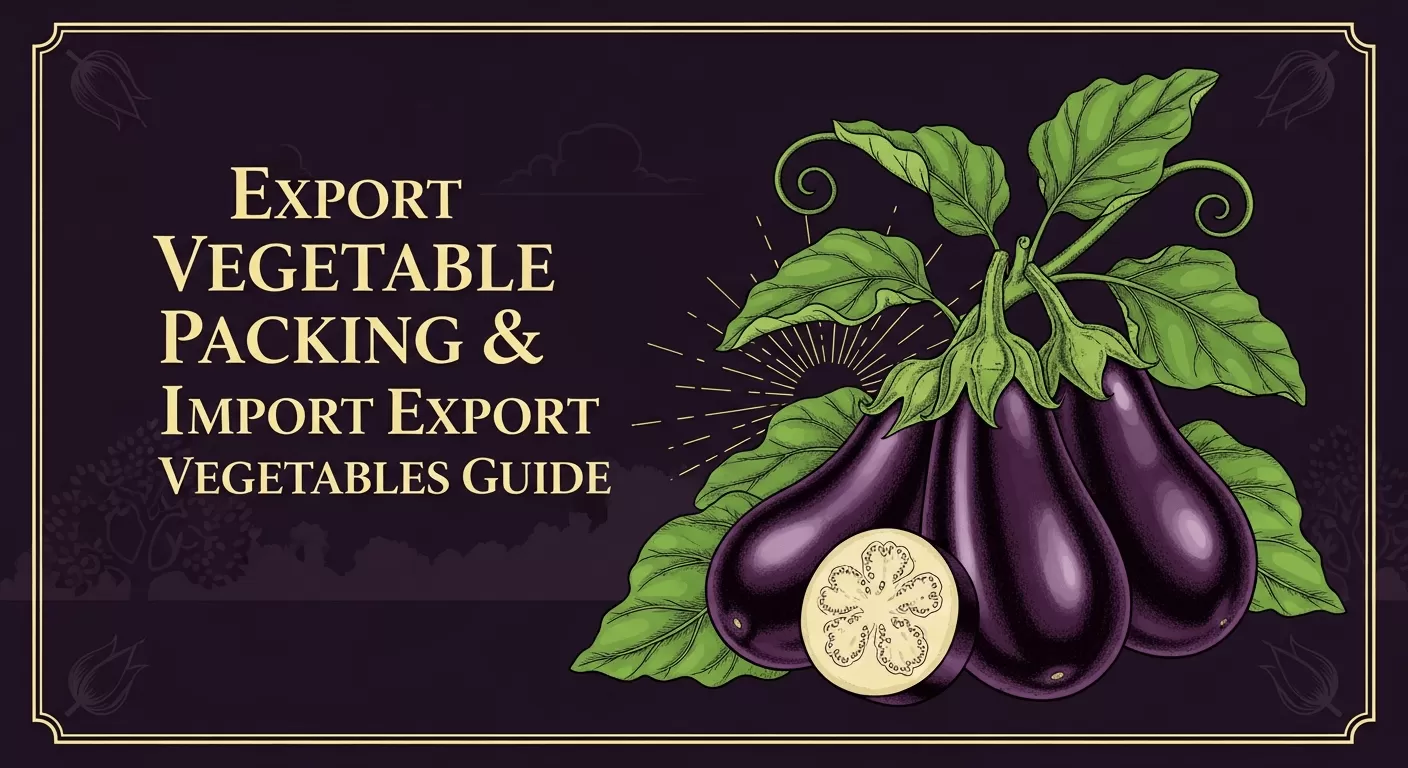
📋 Table of Contents
Export Vegetable Packing & Import Export Vegetables Guide
📋 Table of Contents
Why the World of Export Vegetable Trade Is More Exciting Than Ever
Let's be honest — the global vegetable trade is not what it used to be. Markets are shifting, climate events are reshaping supply chains overnight, and buyers across Europe, Asia, and beyond are demanding more than just a crate of produce. They want consistency, traceability, and proper packing. If you're looking to jump into the world of export vegetable business or sharpen your existing operation, you've landed in exactly the right place.
Turkey sits at a remarkable crossroads for global vegetable supply. With diverse growing regions, a Mediterranean climate ideal for year-round production, and a logistics network connecting Europe, the Middle East, and Central Asia, it has quietly become one of the most strategically important vegetable exporting countries in the world. Understanding what makes this trade tick — from seed to shelf — can genuinely transform your business.
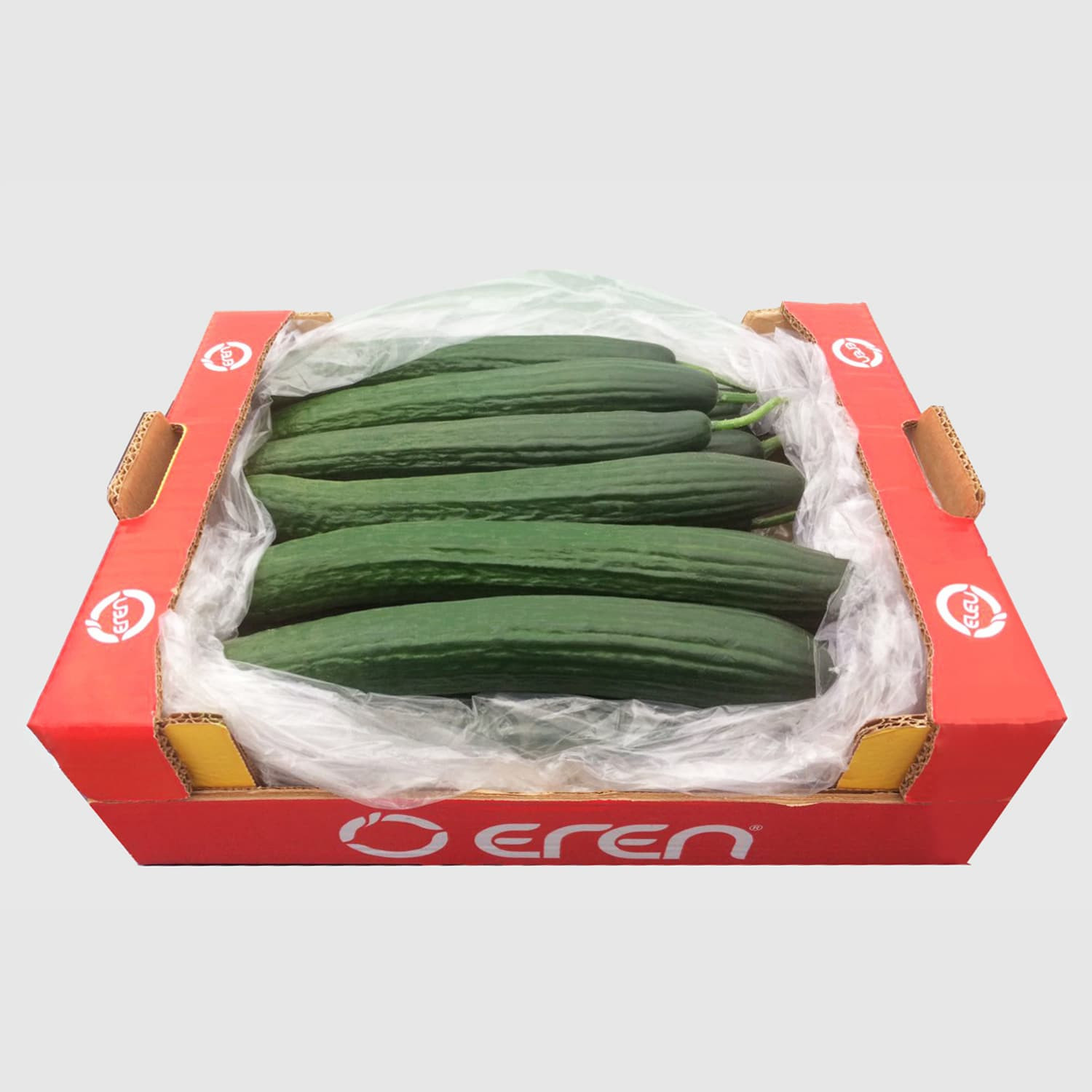
Vegetable Export Packing: The Silent Profit Killer Most Exporters Ignore
Here's something nobody tells you when you start out: your product can be flawless, but if your vegetable export packing is off, you'll lose deals fast. Buyers in Germany, the UK, or Japan are not going to accept a shipment where half the tomatoes arrive bruised because someone chose the wrong carton weight or skipped the ventilation holes. Packing is not a minor detail — it is the first impression your produce makes at the destination market.
Different markets have wildly different preferences. Some buyers in Northern Europe want 5 kg retail-ready boxes with printed labels and QR codes. Others in the Gulf region prefer bulk 10 kg cartons. Having the flexibility to adapt your packing line to each market's requirements is what separates serious exporters from hobbyists. Companies like Eren, which has been working with 63 different markets since its founding in Mersin back in 1993, have mastered this exact challenge — producing to each destination's unique packaging and labeling demands.
| Vegetable | Common Pack Size | Key Markets | Shelf Life (Reefer) |
|---|---|---|---|
| Tomato | 5 kg / 6 kg carton | Germany, Russia, UK | 14–21 days |
| Cucumber | 5 kg / bulk | Netherlands, Gulf, Scandinavia | 10–14 days |
| Pepper | 5 kg / 10 kg | Eastern Europe, Canada | 14–18 days |
| Eggplant | 5 kg net | Middle East, Southeast Asia | 10–14 days |
Cold Chain and Packaging Material Selection
The cold chain is your packaging's best friend. Pre-cooling your produce before it hits the carton, using moisture-resistant corrugated boxes, and ensuring your pallets are properly wrapped and labeled — these are non-negotiable steps. It's also worth knowing that pest pressures at the production level can affect what reaches the packing line. For instance, outbreaks like the tobacco thrips (Thrips tabaci) detected in greenhouse cucumber and tomato crops in Russia's Oryol region highlight how quickly local supply disruptions can ripple through international markets, pushing buyers toward more reliable sourcing alternatives like Turkey.
Label Compliance: Don't Ship Without It
Country of origin, grade classification, net weight, variety name, producer code — these are not optional. EU phytosanitary regulations, Gulf Cooperation Council standards, and Canadian CFIA requirements all have their own labeling rules. One missing field on your label can result in a held shipment at customs. If you're new to navigating these requirements, tapping into a vegetable import export whatsapp group within your trade network can be a surprisingly useful first step to crowdsource real-world compliance tips from exporters already active in your target markets.

Getting Your Import Export Vegetables Operation Right From Day One
Mastering import export vegetables logistics is about building a system, not just booking a truck. You need to think in layers: procurement timing, packing station capacity, container availability, port scheduling, and destination customs clearance — all at the same time.
Turkey's geographic position makes it a logistics powerhouse. Trucking routes into Europe via Bulgaria and Romania, reefer container shipments through Mersin Port to the Middle East and Africa, and even air cargo services for high-value short-shelf-life produce are all viable channels. Eren's own logistics department, for example, offers trucking, container, reefer, and air cargo options under one roof — a setup that eliminates the chaos of coordinating multiple third-party providers. For a deeper dive into how Turkey's vegetable trade infrastructure works end-to-end, check out this comprehensive resource on Turkey's vegetable export business — it covers everything from production regions to global market entry strategies.
Incoterms: Choosing the Right Trade Terms
Whether you're quoting EXW, FOB, CFR, or DDP, your Incoterms choice dramatically affects your risk exposure and cash flow. Buyers in emerging markets often prefer DDP because they want door-to-door simplicity. European importers frequently prefer FOB or CFR. Knowing your buyer's preference before you quote saves weeks of negotiation back-and-forth.
Market Realities Every Vegetable Exporter Should Understand
The global vegetable market is not static — it's a living, breathing system reacting to weather events, political changes, and consumer behavior shifts. Right now, the processed tomato sector is entering what Rabobank analysts describe as a balanced phase for the 2026/27 season, with prices expected to remain stable or trend slightly lower as inventories rebuild after the historic lows of 2023. Major producing regions including Italy, Spain, California, and China are seeing only limited supply growth, which means smart exporters who locked in relationships early are in a strong position.
| Region | Market Opportunity | Key Challenge |
|---|---|---|
| Western Europe | High demand, premium pricing | Strict phytosanitary rules |
| Middle East & Gulf | Year-round demand, bulk volumes | Heat-sensitive logistics |
| Southeast Asia | Growing middle class, new demand | Long transit, documentation |
| Eastern Europe | Price-competitive buyers | Currency volatility |
Spotting Opportunity in Supply Disruptions
One of the most exciting — and honestly underutilized — skills in vegetable trading is reading supply disruptions before your competitors do. When extreme heat waves hit the Netherlands and Belgium earlier this season, Dutch wholesaler P. Smets reported that general fruit and vegetable trade slowed significantly while watermelon sales from Morocco exploded. Meanwhile, cucumber production dropped 15–20% across European greenhouse operations due to the same heat pressure. For Turkish exporters, moments like these represent genuine windows of opportunity — especially for greenhouse-grown tomatoes and cucumbers where Turkey's controlled environment production can step in to fill European supply gaps. Understanding the global vegetable trade landscape, including the role of bombay fruits & vegetables import export dynamics in Asian routes, adds another layer of strategic advantage for exporters thinking beyond traditional European corridors. You can explore more about building a resilient export strategy through Turkey's complete global vegetable export guide.
Demand Forecasting: Small Investment, Big Returns
Even basic demand forecasting — tracking seasonal consumption patterns, monitoring competitor harvest timelines, and staying plugged into buyer feedback — can give you a genuine edge. Exporters who move reactively will always chase the market. Those who move proactively will set the price.
FAQ: Export Vegetable Packing & Import Export Vegetables
What is the most important factor in vegetable export packing?
Temperature control and packaging material strength are the two pillars. Your carton needs to protect the produce from mechanical damage while also allowing adequate airflow to prevent moisture buildup and premature ripening. Always match your pack spec to the destination market's requirements.
Which vegetables are highest in demand for export from Turkey?
Tomatoes, cucumbers, peppers, eggplant, and fresh herbs consistently lead Turkish vegetable exports. Tomatoes in particular are experiencing dynamic international demand, especially in European markets where greenhouse supply has tightened due to weather-related disruptions.
How do I find reliable buyers for import export vegetables?
Trade fairs like Fruit Logistica in Berlin, direct outreach through verified trade directories, and building a presence in active trade communities — including online groups and forums — are all solid starting points. Partnering with an experienced exporter who already has established buyer relationships significantly shortens your market entry timeline.
What certifications do I need to export vegetables internationally?
At minimum, you'll typically need a phytosanitary certificate, certificate of origin, and conformity to destination-country residue limits. For EU markets, GlobalG.A.P. certification is increasingly expected by major retail buyers. Some markets also require halal certification or specific fumigation treatments.
Is air cargo viable for vegetable exports?
For high-value, short-shelf-life vegetables — think specialty herbs, cherry tomatoes, or premium peppers — air cargo absolutely makes sense. The cost per kg is higher, but the speed allows you to reach markets in Asia, Canada, or the Gulf within 24–48 hours, preserving quality and commanding premium prices.
Ready to Take Your Vegetable Export Business to the Next Level?
Whether you're just getting started or you're looking to refine your packing standards and open new markets, the fundamentals remain the same: quality produce, smart packing, reliable logistics, and market intelligence. Eren has been doing exactly this since 1993 — from a small Mersin citrus exporter to a multi-continent operation shipping 60+ product varieties to 63 countries. The infrastructure, the know-how, and the multilingual sales team are all in place to support serious trade partners.
Connect with Zupricer today and discover how expert guidance can accelerate your vegetable export journey — from your first pallet to your first container, and beyond. The global market is moving fast. Make sure you're moving with it.