 Lemon
Lemon Mandarin
 Orange
 Grapefruit
 Fruits
 Vegetables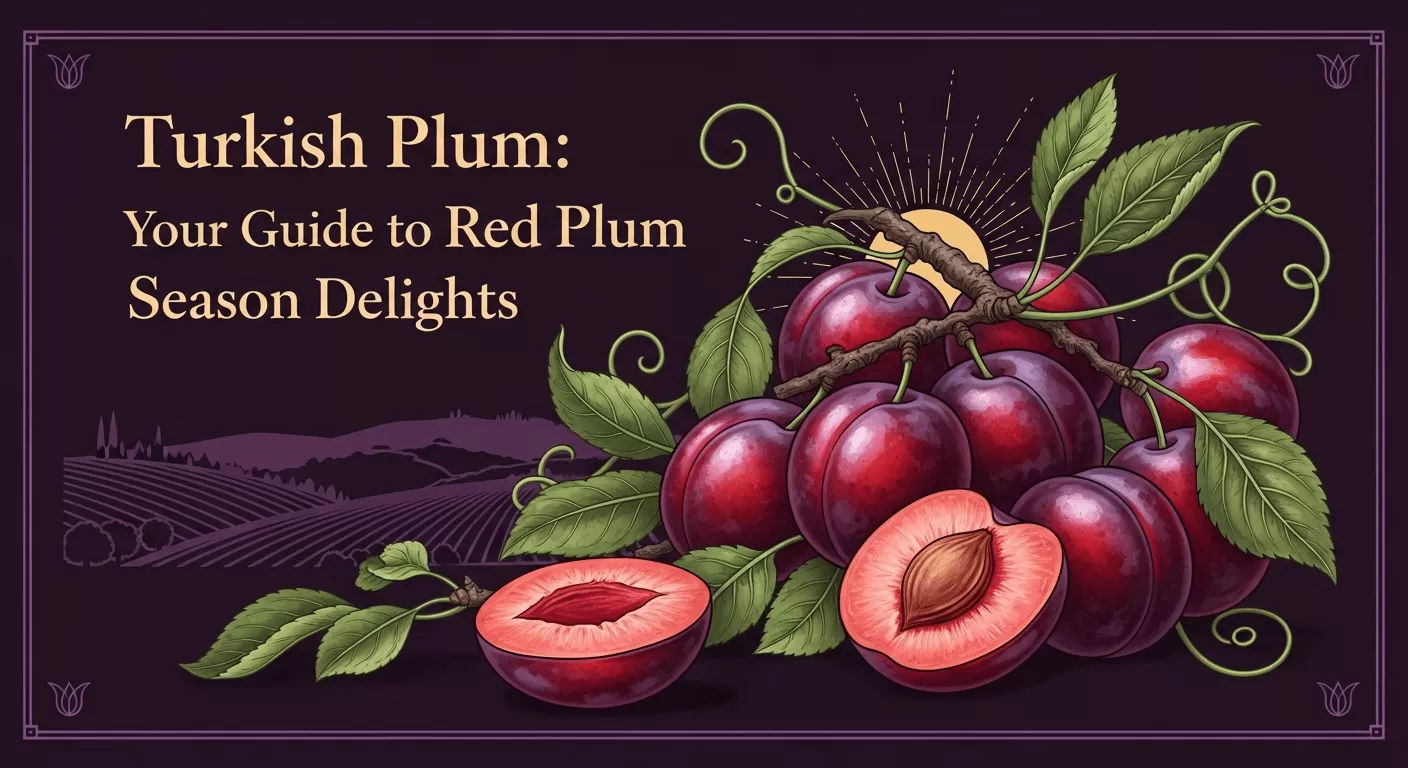
📋 Table of Contents
Turkish Plum: Your Guide to Red Plum Season Delights
If you've ever bitten into a perfectly ripe plum and felt that burst of sweet-tart juice, you already know why people get excited when plum season rolls around. Turkey, with its rich agricultural heritage and diverse climate zones, produces some of the most flavorful plums you'll find anywhere in the world. From the sun-drenched Aegean valleys to the fertile plains of the Tarsus region, Turkish plums are a genuine treat — and the global market is taking notice.

What Makes Turkish Plum Stand Out During Red Plum Season
Turkey's unique geography is a massive advantage when it comes to stone fruit cultivation. The country straddles multiple climate zones, which means farmers can grow an impressive range of plum varieties — each with its own flavor profile, color, and harvest window. When the red plum season kicks in, markets across Europe, Asia, and beyond start filling up with vibrant, deeply colored fruits that have been sun-ripened to perfection.
The pigeon plum fruit is one variety that deserves special attention. This smaller, oval-shaped plum tends to have an intensely sweet flavor with a slightly firm texture, making it ideal for both fresh consumption and drying. It's a beloved variety in local Turkish markets and is gradually earning recognition among international buyers who are looking for something beyond the standard supermarket plum.
| Plum Variety | Flavor Profile | Best Use | Harvest Period |
|---|---|---|---|
| Red Sultan | Sweet with mild acidity | Fresh consumption, export | July – August |
| Pigeon Plum | Intensely sweet, firm | Fresh eating, drying | June – July |
| Black Diamond | Rich, complex sweetness | Premium export, fresh | August – September |
| Stanley | Balanced sweet-tart | Preserves, fresh markets | August |
Understanding the Global Plum Season Landscape
It's not just Turkey seeing action in the plum world. The plum season across Europe has been anything but predictable lately. Spanish producers, for example, have been dealing with a stormy, turbulent season — hailstorms, heat waves, and early ripening have all combined to create market pressure and supply spikes that affect pricing across the board. When supply concentrates in a short window, everyone from wholesalers to retailers feels it. The expectation in many European markets is that the season will wrap up unusually early this year.
This kind of volatility in competing markets actually works in Turkey's favor. Turkish plum growers have long been known for consistent quality and the ability to supply across a broad seasonal window. When Spanish or French orchards face weather disruptions, buyers turn to Turkish exporters — and those exporters are ready to deliver.
How Climate Zones Affect Plum Growing in Turkey
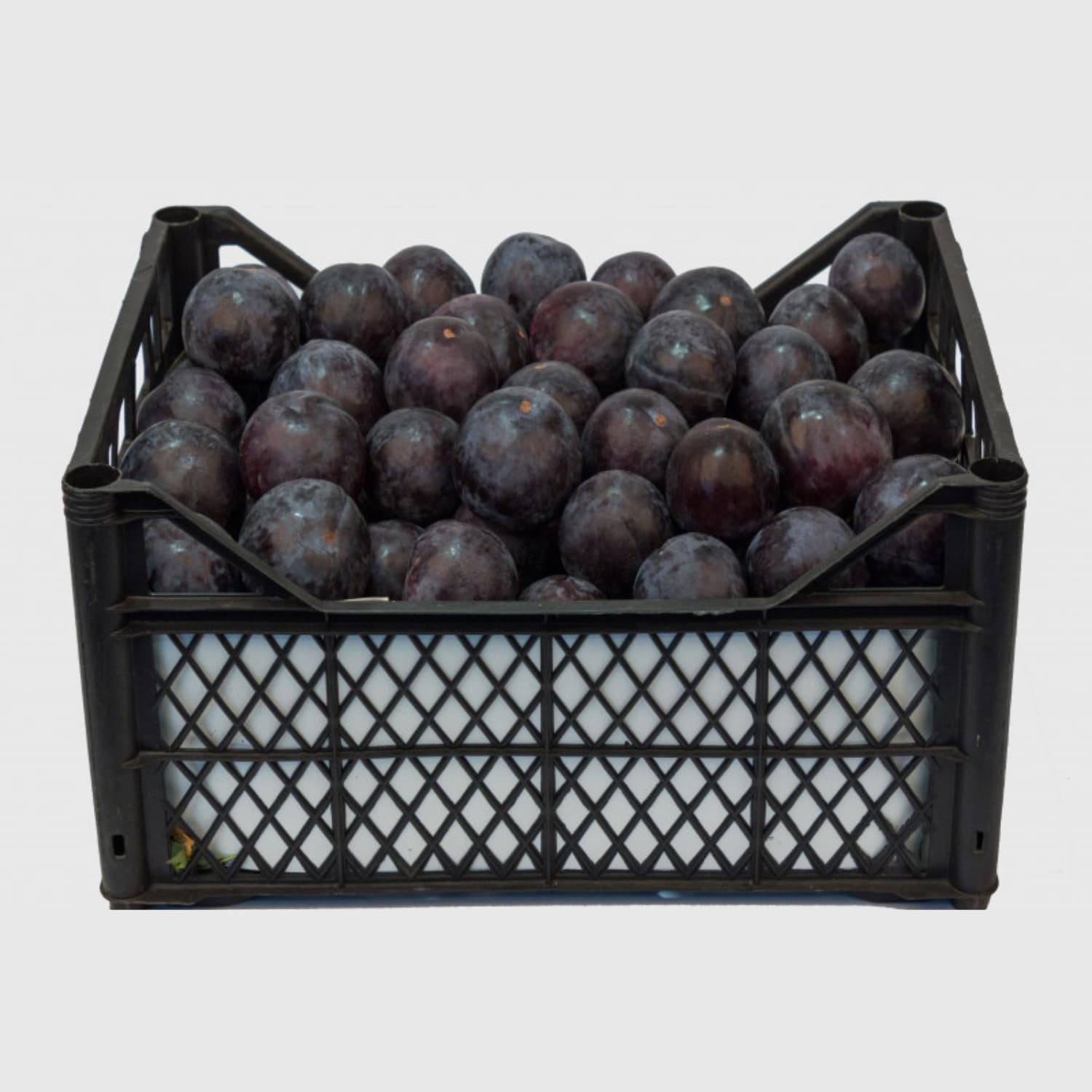
Understanding the black plum growing zone within Turkey helps explain why the country is such a powerhouse producer. Black plums, known for their dark skin and rich, wine-like flavor, thrive in regions with warm summers and mild winters. In Turkey, areas like Malatya, Bursa, and parts of the Aegean coast provide ideal conditions. The combination of adequate sunshine, well-drained soils, and access to water irrigation makes these zones especially productive for high-quality black plum cultivation.
Globally, black plums tend to grow well between latitudes 35° and 50° North — a zone that conveniently includes much of Turkey's prime agricultural land. This is why Turkish black plums consistently show up in premium fruit exports and command respect in competitive European markets.
Finding Fresh Local Options and Sourcing Insights
For buyers and fruit enthusiasts alike, searching for a plum orchard near me might lead you to some wonderful local discoveries — but for consistent, export-grade quality and volume, established Turkish exporters remain the gold standard. The Turkish plum industry benefits from years of expertise, modern optical sorting machines, cold chain logistics, and quality control systems that ensure every crate meets international standards.
Companies that have been in the export game since the early 1990s, growing from small regional operations into multi-continent suppliers, bring a level of reliability that's hard to match. With the capacity to serve over 60 countries and decades of experience navigating different customs procedures, packaging preferences, and cultural demands, Turkish exporters like Eren are built for the long haul.
The Rise of Premium Plums and What It Means for Buyers
On the premium end of the market, the competition is heating up. European producers are actively pursuing taste awards and premium positioning — one notable example is the Metis Oxy Solar plum variety from France and Spain, which was recently awarded "Flavor of the Year 2026." With a projected harvest volume of around 7,000 tons for 2026, Metis is clearly making a push to dominate premium European plum shelves and strengthen consumer awareness around high-end plum categories.
This matters for Turkish exporters because it signals a growing consumer appetite for quality over quantity. People want plums that taste exceptional, not just plums that are affordable. Turkey is perfectly positioned to compete in this premium segment, given the natural advantages of its growing regions and the investment many Turkish exporters have made in post-harvest technology and R&D programs.
| Producing Country | Key Advantage | Primary Markets | Season Stability |
|---|---|---|---|
| Turkey | Diverse climate, high volume, tech-driven export | EU, Russia, Asia, Africa | High |
| Spain | Early season varieties, proximity to EU | Western Europe | Medium (weather volatile) |
| France | Premium positioning, taste awards | Western Europe | Medium |
FAQ: Turkish Plums and Plum Season Basics
When does Turkish plum season typically start and end?
Turkish plum season generally runs from late June through September, depending on the variety and region. Early varieties like the pigeon plum fruit tend to ripen in late June to July, while later varieties extend the season well into early autumn.
Are Turkish plums available for export year-round?
Fresh Turkish plums are available during the main harvest season. However, dried plums, plum products, and preserved varieties can extend availability. For fresh export inquiries, buyers typically plan procurement between July and September.
What makes the red plum season special in Turkey?
During the peak red plum season, Turkish orchards produce fruits with optimal sugar content, vibrant color, and excellent texture. The combination of warm temperatures and Mediterranean-influenced soil conditions delivers a flavor quality that premium markets around the world genuinely seek out.
How do I identify a quality Turkish plum for export?
Quality Turkish plums are characterized by consistent sizing, smooth skin free from blemishes, firm texture that resists bruising during transport, and a naturally sweet aroma. Exporters using modern optical sizing and sorting technology ensure that only fruit meeting strict standards makes it into export packaging.
Why Choose a Turkish Plum Exporter for Your Needs
Whether you're a supermarket buyer, a wholesale distributor, or a food processing company, sourcing plums from Turkey offers a compelling mix of quality, reliability, and variety. The Turkish export industry has matured significantly — with multi-language sales teams, dedicated logistics departments capable of handling trucking, reefer containers, and air cargo, and quality control protocols that align with international food safety standards, the infrastructure is genuinely world-class.
The goal isn't just to ship fruit — it's to deliver the treasured flavors of Anatolia to tables and markets across the globe, season after season, with the same pride and precision that has defined the best Turkish fruit exporters for decades.
Ready to explore premium Turkish plums for your next procurement cycle? Connect with Fresh Anatolia today and discover how Turkey's finest stone fruits can elevate your product range and satisfy your most demanding customers.