 Lemon
Lemon Mandarin
 Orange
 Grapefruit
 Fruits
 Vegetables
Season Lemon Guide: Eureka & Meyer Lemon Fruiting Season Tips
Lemons are one of those fruits that quietly power so much of what we cook, drink, and eat every day. Whether you're squeezing them over grilled fish, making homemade lemonade, or zesting them into a cake batter, the quality of your lemon matters more than most people realize. And a big part of that quality? It comes down to timing. Knowing your season lemon basics — specifically which varieties produce fruit when, and how to make the most of each harvest window — can completely change how you source, grow, or buy lemons throughout the year.

Everything You Need to Know About Season Lemon Varieties, Eureka Lemon Fruiting Season, and Meyer Lemon Fruiting Season
Two lemon varieties dominate the conversation when it comes to home growing and commercial sourcing: the Eureka and the Meyer. Both are beloved, both have dedicated fans, and both behave quite differently when it comes to fruiting patterns. Understanding those differences is the key to getting the most out of your trees — or knowing exactly when to place your wholesale order. Let's break it all down in plain language, variety by variety, so you walk away with a clear picture of what to expect and when.
What Is a Season Lemon and Why Does Variety Matter
Not all lemons fruit on the same schedule, and that's actually a really useful thing to understand early. Some varieties are essentially everbearing, meaning they produce fruit multiple times across the year. Others follow a more defined annual cycle with one or two distinct harvest windows. When growers, buyers, or home gardeners talk about a "season lemon," they're typically referring to the period when a specific variety hits its peak production — the window where quantity, flavor, and quality all align.
For commercial operations, getting this timing right is critical. Markets in Europe and beyond are sensitive to supply availability, and even modest fluctuations in lemon output can cause noticeable price swings. This mirrors what's been observed in broader fresh produce markets, where supply chain disruptions in one region can ripple out and affect prices across multiple countries. The same logic applies to lemons — knowing your variety's fruiting window lets you plan smarter and avoid the scramble.
| Lemon Variety | Fruiting Season | Flavor Profile | Best Use |
|---|---|---|---|
| Eureka | Year-round, peak spring & fall | Tart, bright, classic citrus | Cooking, juicing, zesting |
| Meyer | Winter to early spring | Sweet, floral, mild acidity | Desserts, cocktails, preserves |
| Lisbon | Winter, late fall | Sharp, highly acidic | Juicing, culinary uses |
| Lamas | Late fall through spring | Balanced, mildly tart | Export, fresh market |
Eureka Lemon Fruiting Season: The Year-Round Workhorse
If you've ever bought a lemon from a grocery store without thinking twice about the variety, there's a solid chance it was a Eureka. This variety is the backbone of commercial lemon production in many parts of the world, and for good reason. The eureka lemon fruiting season is one of the most generous of any citrus variety, with fruit appearing across multiple flushes throughout the year.
The Eureka tree typically produces its heaviest crops in spring and early fall, but it's not unusual to find fruit on the tree in summer and even winter in milder climates. This consistent availability is a huge advantage for commercial growers and buyers who need a reliable, steady supply. For those involved in turkish fruits and vegetables exporters networks, the Eureka is particularly valued because its long availability window helps fill gaps when other seasonal citrus varieties are between harvests.
Growing Conditions That Influence Eureka Fruiting
- Thrives in warm, frost-free climates with full sun exposure
- Performs best in well-draining, slightly acidic soil
- Sensitive to hard freezes, which can damage or delay fruiting
- Benefits from consistent irrigation, especially during dry spells
- Responds well to balanced citrus fertilizer applied seasonally
One thing that surprises many first-time Eureka growers is how much the fruit quality shifts with the seasons. Lemons harvested in late winter to early spring tend to have slightly thinner skin and higher juice content compared to those harvested mid-summer. If you're growing for home use, pay attention to those seasonal differences — your spring Eurekas might be your best batch of the year.
Eureka vs. Lisbon: A Quick Comparison
People often mix up Eureka and Lisbon lemons since they look nearly identical on the outside. The main difference comes down to cold tolerance and harvest timing. Lisbon leans toward a winter-heavy fruiting pattern and handles cooler temperatures a bit better than Eureka. Both are sharp and acidic in flavor, making them interchangeable in most kitchen applications. But if you're sourcing commercially, their different peak seasons can actually work together nicely to maintain continuous supply throughout the year.
Meyer Lemon Fruiting Season: The Sweet Spot in Winter
The Meyer lemon occupies a totally different flavor space compared to your standard supermarket lemon. It's believed to be a hybrid between a true lemon and a mandarin or orange, which explains its notably sweeter, more floral character. Chefs love it. Home bakers obsess over it. And once you understand the meyer lemon fruiting season, you'll know exactly when to get your hands on the best examples.
Meyer lemons typically reach their peak fruiting period from late fall through early spring, with the absolute sweet spot usually falling in December through February depending on your climate zone. This winter-centric fruiting pattern makes the Meyer a valuable variety for markets and growers who want to offer something different when other citrus options are either past their best or haven't come into season yet. If you want a deeper dive into timing across different lemon varieties, the lemon growing season guide breaks it all down comprehensively.
Why the Meyer Lemon Is Different to Grow
Meyer lemon trees are more compact than Eureka trees, which makes them popular for container growing and urban gardens. They're also somewhat more cold-tolerant, though still not a fan of hard freezes. The trees tend to bloom multiple times a year, producing fragrant white flowers that are almost as lovely as the fruit itself. However, the main heavy fruiting flush remains that winter-to-spring window, so if you're planning around commercial supply, that's the period to focus on.
One practical note for growers: Meyer lemons ripen to a deeper golden-orange color compared to the bright yellow of a Eureka. If you're picking too early based on color cues from other varieties, you'll end up with underripe fruit that doesn't deliver that signature sweetness. Let them develop fully — the wait is absolutely worth it.
How Lemon Pricing Connects to Fruiting Seasons
Understanding fruiting seasons isn't just an academic exercise — it has real financial implications whether you're a grower, a buyer, or a distributor. Lemon prices in global markets shift meaningfully based on seasonal supply. This has been observed clearly in contexts like the Argentina lemon season, where shippers who planned ahead based on seasonal patterns were able to secure better pricing and more stable supply compared to those who waited for the spot market. Program pricing tends to be more predictable, while spot prices can spike significantly — in some cases reaching notably high per-box figures — when supply tightens unexpectedly.
The same principle holds for Turkish lemon exports. When eureka-type varieties and Lamas lemons hit their peak harvest windows, there's more volume available and pricing tends to be more competitive. Buyers who plan orders around these windows, rather than reacting to market conditions after the fact, consistently get better value. This is especially true for those operating in or sourcing through vegetable import export whatsapp group networks, where real-time market information can make a significant difference in purchasing decisions.
| Season | Supply Level | Price Expectation | Best Strategy |
|---|---|---|---|
| Peak harvest (variety-specific) | High | Lower, more competitive | Buy in volume, lock in contracts |
| Off-peak or between harvests | Lower | Higher, spot market pressure | Plan ahead, avoid last-minute orders |
| Transitional months | Variable | Fluctuating | Monitor supply closely, stay flexible |
Turkey's Role in the Global Lemon Supply Chain
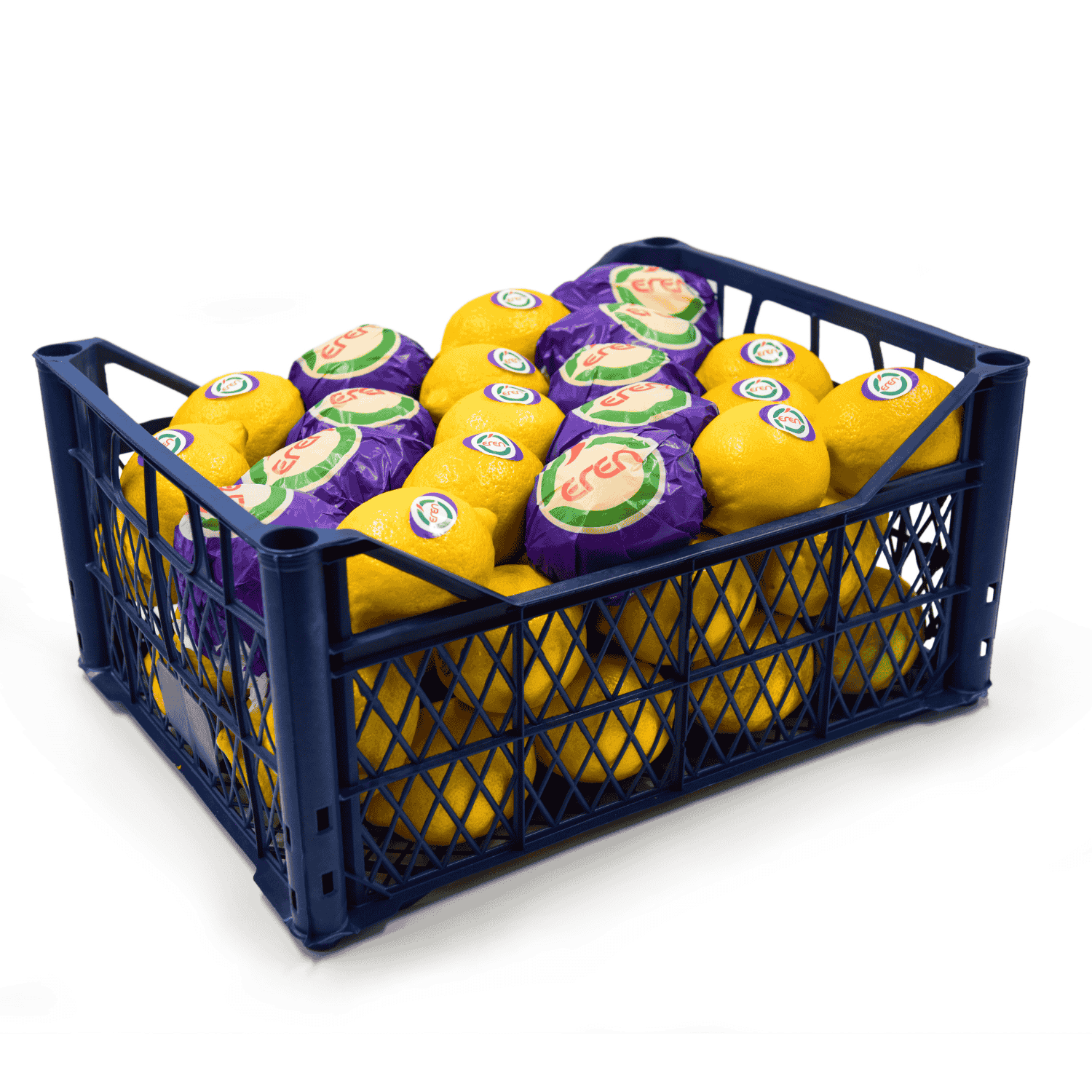
Turkey is one of the world's most significant lemon-producing and exporting countries, and its geographic position makes it particularly well-suited to serving European, Middle Eastern, and Asian markets efficiently. The Mediterranean and Aegean coastal regions — particularly around Mersin, Adana, and Antalya — provide the warm climate and fertile soils that citrus trees need to thrive. Among the varieties cultivated extensively here, the Lamas lemon is especially notable for its extended harvest window that stretches from late fall well into spring, complementing Eureka-type production beautifully.
Demand for Turkish lemons remains strong across global markets, and well-connected turkish fruits and vegetables exporters have developed the infrastructure to handle large-scale orders efficiently. From cold storage facilities to refrigerated container logistics, the supply chain supporting Turkish lemon exports is sophisticated and reliable — exactly what international buyers need when sourcing fresh citrus that has to travel thousands of kilometers before reaching end consumers.
Tips for Home Growers Getting the Most from Their Lemon Trees
Whether you're growing a Meyer in a pot on your balcony or managing a small Eureka grove, a few practical tips can make a real difference in your fruiting results. First, don't neglect fertilization during the active growing season. Citrus trees are heavy feeders and respond well to a balanced fertilizer with nitrogen, phosphorus, and potassium applied every six to eight weeks during spring and summer. Reduce feeding in late fall as the tree naturally slows its growth.
- Water deeply but infrequently — allow the soil to dry slightly between watering sessions
- Prune lightly after the main harvest to encourage new growth and future fruiting wood
- Watch for common pests like citrus leaf miner and scale insects, especially on new growth
- Mulch around the base of the tree to retain moisture and regulate soil temperature
- If growing in containers, repot every two to three years to prevent root binding
One thing many home growers overlook is the importance of pollination. Meyer lemons are self-fertile, so a single tree will produce fruit without a companion. Eureka trees are similarly self-pollinating, which makes both varieties excellent choices for small gardens or urban growing spaces. Still, if you want to maximize fruit set, placing your tree where bees and other pollinators can easily access the flowers makes a noticeable difference in yield.
FAQ: Your Top Questions About Lemon Fruiting Seasons Answered
When exactly does the Meyer lemon fruiting season peak?
The Meyer lemon fruiting season peaks primarily between December and February in most growing climates, though trees can produce smaller flushes of fruit at other times of year. The winter crop tends to be the largest and best-quality harvest.
Can Eureka lemons produce fruit all year long?
Eureka lemons are among the most consistent producers in the citrus world, capable of producing fruit across multiple seasons. Their heaviest flushes tend to fall in spring and fall, but fruit is often available year-round in suitable climates, which is one of the main reasons they dominate commercial production.
What's the difference between a season lemon and an everbearing variety?
A season lemon refers to a variety with a clearly defined peak production period, while an everbearing variety like Eureka produces in smaller quantities more continuously. The distinction matters when you're planning supply or expecting a specific flavor profile tied to optimal ripeness.
Why do lemon prices fluctuate throughout the year?
Lemon prices follow the same supply-and-demand logic as any fresh produce. When harvests are abundant and supply is high, prices soften. During transitional periods or when supply is tight — particularly in off-season months — prices can rise sharply. Buyers who monitor fruiting seasons and plan accordingly can avoid the most volatile pricing windows. Staying connected through active trade networks, including vegetable import export whatsapp group communities, can help buyers stay ahead of these shifts.
Is Turkish lemon a good option for year-round sourcing?
Absolutely. Turkey's diverse growing regions and variety portfolio, including the Lamas lemon with its extended harvest window, make it one of the most reliable year-round sources for fresh lemons in European and international markets.
Why Eren Is Your Ideal Partner for Season Lemon Sourcing
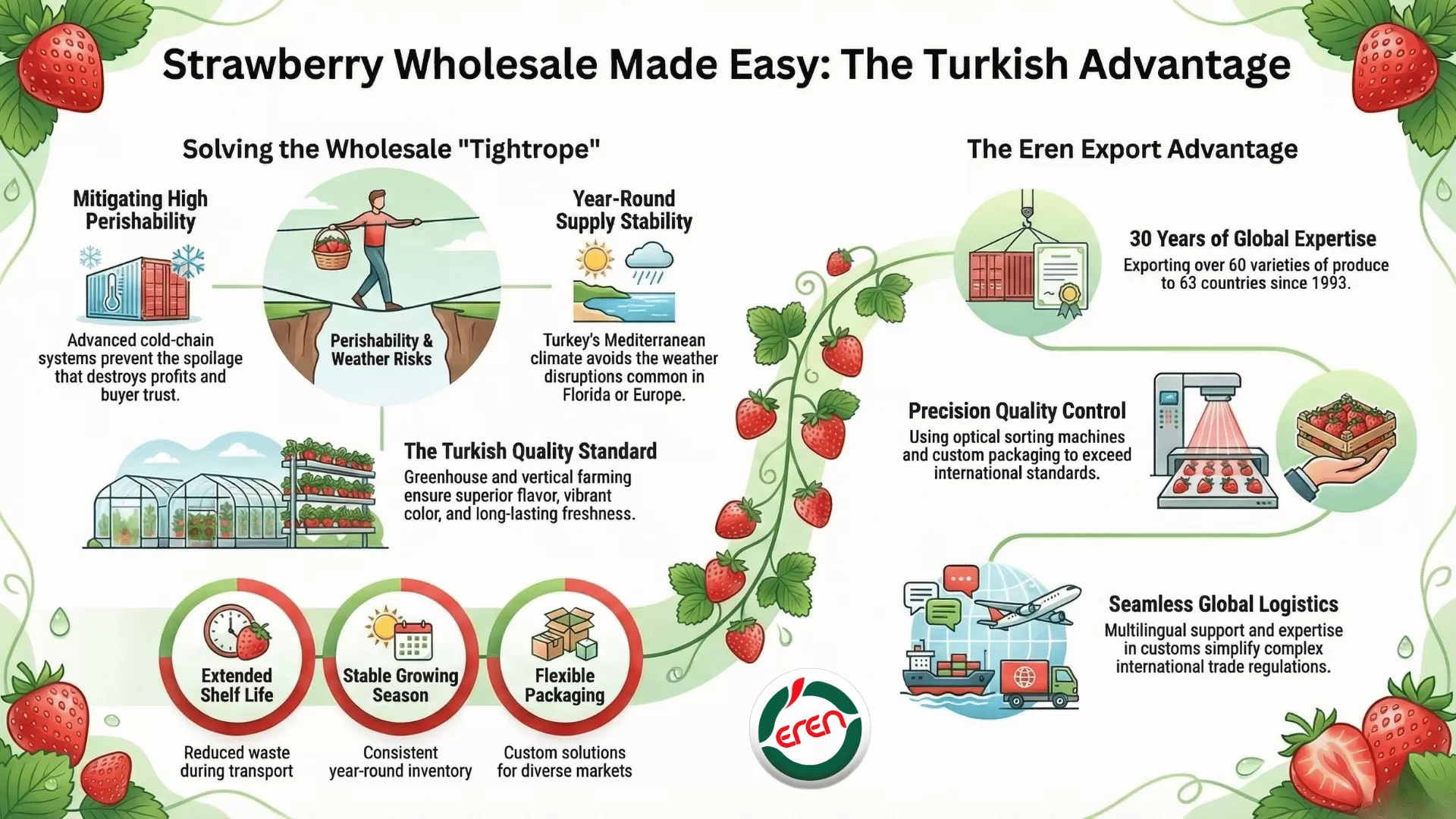
When it comes to sourcing premium Turkish lemons with confidence, working with an experienced and well-established exporter changes everything. Eren has been in the citrus export business since 1993, starting in Mersin with a focus on citrus for Russian and Southern European markets. Over the decades, the company has grown into a global operation that now exports to 63 countries and handles over 60 product varieties — lemons absolutely included.
What makes Eren genuinely stand out is the combination of deep agricultural knowledge and serious logistical capability. With their own production facility in the Tarsus region, state-of-the-art optical sorting machines, a dedicated quality control department, and a sales team that speaks seven languages, Eren is equipped to handle the most complex sourcing requirements. Whether you need reefer containers, air cargo solutions, custom labeling, or specific packaging formats suited to your destination market, Eren has done it before — probably many times over. Their own citrus gardens mean they have direct grower insight into seasonal timing and fruit quality, which translates into better product for their buyers.
If you're ready to source the best lemons at the right time of year, connect with the Eren team today. Reach out and discover how their expertise in season lemon varieties, including both Eureka and Meyer types, can bring consistent quality and reliable supply to your business year-round.