 Lemon
Lemon Mandarin
 Orange
 Grapefruit
 Fruits
 Vegetables
📋 Table of Contents
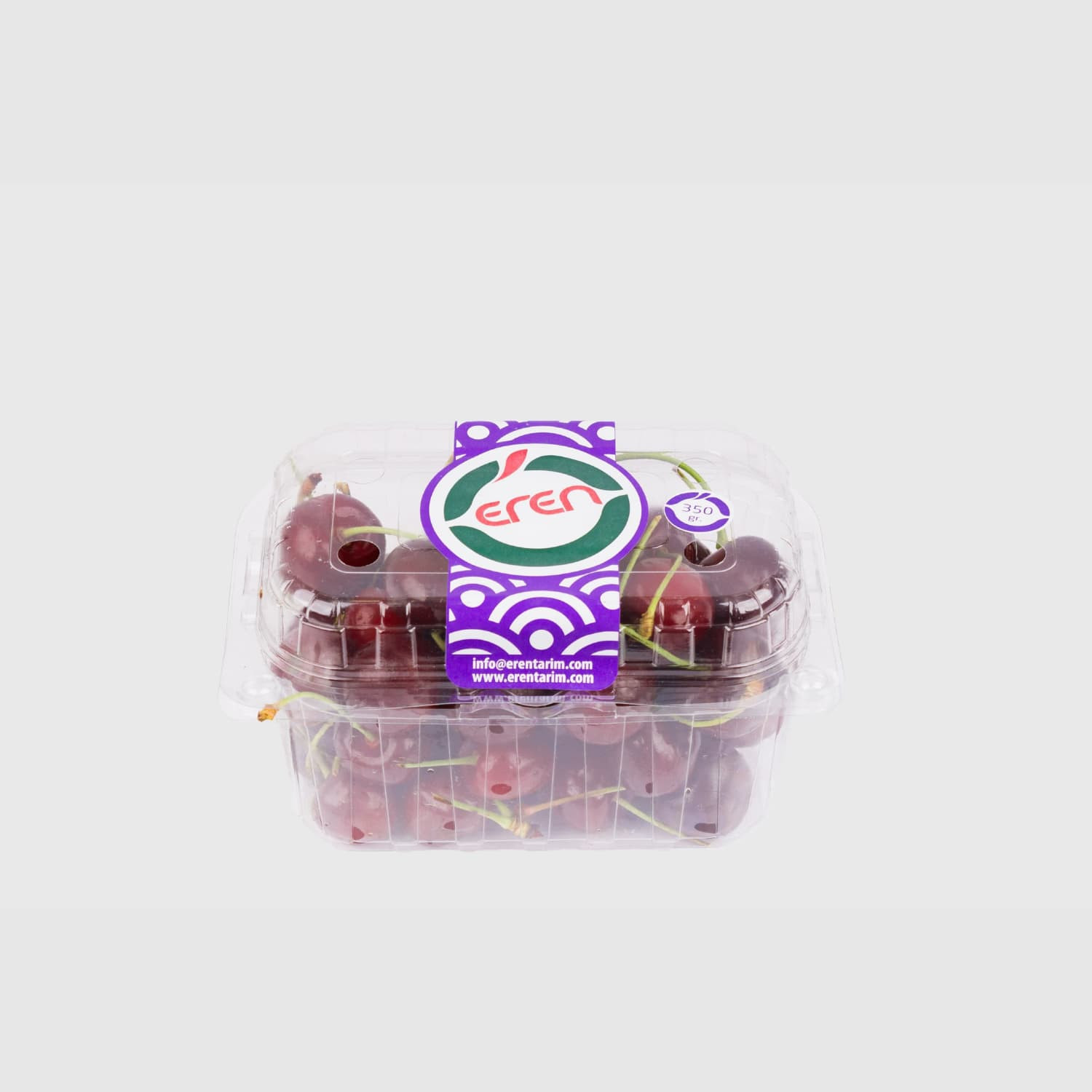
Turkish Cherry Shines as Cherries Summer Fruit in Cherry Growing Season!
There is something truly special about biting into a perfectly ripe cherry at the peak of summer. The burst of sweetness, the deep ruby color, the satisfying firmness — it is an experience that fruit lovers look forward to all year long. And when it comes to delivering that experience consistently, turkish cherry has earned a remarkable reputation across the globe. Whether you are a retailer, importer, or simply a passionate foodie, understanding what makes Turkish cherries stand out is well worth your time.
What Makes Turkey a Powerhouse During Cherry Growing Season
Turkey is one of the world's leading cherry producers, and the geography of the country plays a huge role in that. The diverse microclimates found across regions like the Aegean coast, central Anatolia, and the Tarsus plains create ideal conditions for cherry cultivation. During the cherry growing season, Turkish orchards come alive with varieties ranging from dark sweet cherries to lighter, more tangy options that appeal to different international palates.
The season typically kicks off in late May and stretches into July depending on altitude and region. This extended window gives exporters a genuine advantage — they can source and ship fresh product over a longer period compared to many competing origins. Importers who work closely with Turkish suppliers benefit from this flexibility, getting a more consistent supply throughout the warm months rather than scrambling during a narrow two-week window.
It is also worth noting that Turkish producers have been increasingly investing in modern orchard management, including drip irrigation systems, advanced pruning techniques, and optical sorting technology. These practices directly translate into better fruit quality at the point of arrival, reducing waste for buyers and increasing consumer satisfaction at the retail level.
| Cherry Origin | Typical Season Window | Avg. Export Price ($/kg) | Key Export Markets |
|---|---|---|---|
| Turkey | Late May – July | 2.0 – 3.8 | Russia, EU, Middle East, Asia |
| Italy (Imported Varieties) | June – July | 2.3 – 3.5 | Local & Regional Markets |
| Bulgaria | June – Early July | 1.8 – 3.0 | Eastern Europe |
| Greece | May – June | 1.5 – 2.5 | Limited, mostly nearby countries |
Cherries Summer Fruit: Why Cherries Belong at the Heart of Summer
Ask anyone about their favorite summer fruit and cherries will almost always make the list. As a classic cherries summer fruit, cherries tick every box — they are vibrant, delicious, nutritious, and versatile. They are consumed fresh by the handful, tossed into salads, baked into desserts, turned into jams, and increasingly used in premium food manufacturing.
Nutritional Value Worth Talking About
Beyond taste, cherries pack a serious nutritional punch. They are rich in antioxidants, particularly anthocyanins that give them that iconic deep red color. They also contain vitamin C, potassium, and fiber, making them a genuinely healthy indulgence. Research has linked regular cherry consumption to reduced inflammation, better sleep due to natural melatonin content, and improved cardiovascular health. This kind of nutritional profile makes cherries a natural fit for health-focused consumers and premium retail segments.
Fresh vs. Processed Cherry Options
While fresh cherries are undeniably the star of the summer, the processed cherry market also deserves attention. Products like glace cherries wholesale represent a significant commercial segment — used extensively in baking, confectionery, and food manufacturing. Demand for glace cherries wholesale tends to remain steady throughout the year, making it a reliable revenue stream for producers who can offer both fresh and processed cherry products from the same supply chain.
Specialty Varieties Adding Depth to the Cherry Market
The cherry world is not just about a single variety. In fact, one of the things that makes Turkey's cherry offer so competitive is the range of cultivars available. From classic dark sweet varieties to specialty types, Turkish growers have been diversifying their orchards thoughtfully.
Snowgoose Cherry — A Rising Star
Among lighter-colored varieties, the snowgoose cherry has been gaining recognition in niche premium markets. The snowgoose cherry is appreciated for its creamy yellow skin with a gentle blush, mild sweetness, and firm texture that holds up well during transport. It offers buyers an alternative to the more common dark varieties and appeals to consumers looking for something a little different on the shelf.
Ornamental Meets Commercial: Phlox Drummondii Cherry Caramel
On the more decorative and specialty side, phlox drummondii cherry caramel is a name that has been appearing more frequently in discussions about aesthetic and specialty fruit presentations. While phlox drummondii cherry caramel is primarily known in ornamental contexts, the name resonates in food styling and high-end culinary circles where visual appeal matters just as much as flavor. It speaks to the broader trend of consumers and chefs seeking produce that looks as good as it tastes.
| Cherry Variety | Color Profile | Best Use | Market Appeal |
|---|---|---|---|
| Dark Sweet (Standard) | Deep Red to Black | Fresh Consumption, Export | Mass Market |
| Snowgoose Cherry | Creamy Yellow / Blush | Premium Fresh, Specialty Retail | Niche Premium |
| Glace Cherries | Bright Red (Processed) | Baking, Confectionery | Food Industry Wholesale |
The Global Market Context — Where Turkey Fits In
To understand Turkey's position, it helps to look at what is happening in neighboring cherry-producing countries. Greece, for example, has been experiencing challenging seasons with producer prices for stone fruits dropping significantly — in some cases falling from 1.50–1.70 euros per kg down to 0.70–0.80 euros per kg as supply surges. With Spanish and Turkish suppliers both competing aggressively in key markets like the Netherlands, Greek exporters have found it difficult to hold market share. This competitive dynamic actually highlights how well-positioned Turkish exporters are when they combine volume, quality, and competitive pricing together.
Meanwhile, in cherry-growing regions like Kashmir, imported varieties from Italy and Bulgaria — often priced between $2.30 and $3.50 per kg on local markets — have been gaining ground over traditional varieties due to earlier harvest windows and better weather tolerance. This pattern underlines a global truth: buyers want reliable supply, consistent quality, and competitive pricing. Turkish cherries, backed by mature export infrastructure, deliver exactly that combination.
About Eren — The Grower Behind the Quality
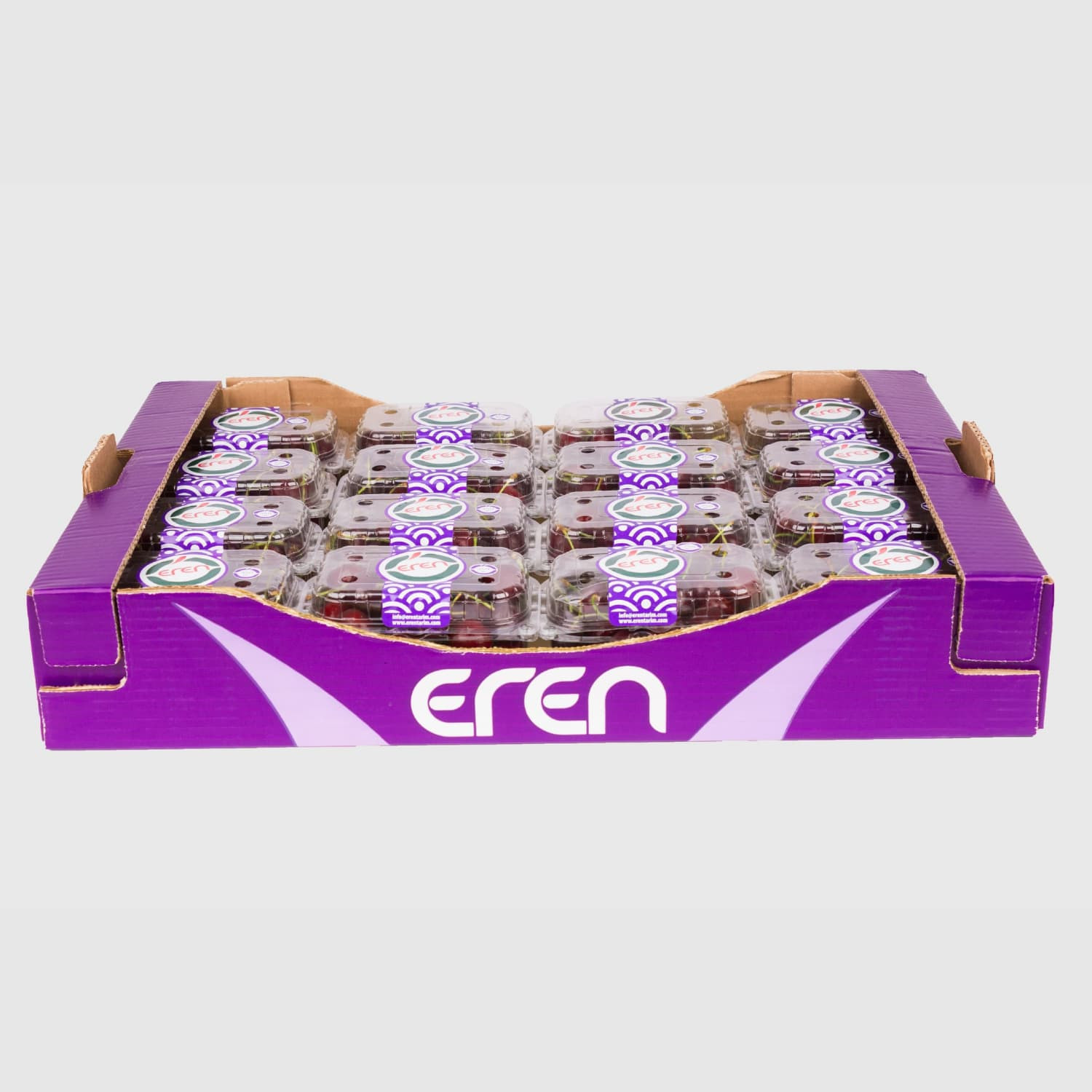
Founded in Mersin back in 1993, Eren started as a focused citrus exporter targeting Russia and South European markets. Over the decades, the company has grown into something far more substantial — a fully integrated producer and exporter operating from its own production facility in the Tarsus region, exporting to 63 countries across six continents with over 60 product varieties. Eren actually grows its own cherries in its own orchards, meaning the quality control begins right at the source rather than at a packing house. With seven languages spoken in the sales department and its own dedicated logistics division handling trucking, containers, reefer, and air cargo, Eren represents the kind of end-to-end supplier that international buyers genuinely need.
FAQ: Turkish Cherries and the Summer Fruit Season
When is the best time to source Turkish cherries?
The peak window runs from late May through July, though it can vary slightly by region and altitude. Coordinating early with your supplier ensures you lock in allocations before the best fruit is committed to other buyers.
What cherry varieties are available from Turkey?
Turkey offers a wide range including dark sweet varieties, lighter premium types like snowgoose, and processed options. The availability depends on the specific growing region and the time within the season.
Is Turkish cherry suitable for long-distance export?
Absolutely. With proper post-harvest handling, cold chain management, and modern packing technology, Turkish cherries ship successfully to markets across Europe, Asia, the Middle East, and beyond.
Can I source glace cherries wholesale from Turkish producers?
Yes, some integrated Turkish suppliers offer processed cherry products alongside fresh fruit, making it possible to consolidate your procurement from a single trusted source.
How does Turkish cherry pricing compare to other origins?
Turkish cherries are generally competitive in both quality and price. Given the infrastructure investment and volume available, buyers often find Turkey offers better value than smaller or less developed cherry-producing countries.
Ready to Source the Best Cherries This Season?
Summer does not last forever, and neither does cherry season. If you are a retailer, distributor, or importer looking for premium Turkish cherries this season, now is the time to act. Reach out to the Eren team and explore what is available for your market — whether you need fresh cherries by the container load, specialty varieties for premium retail, or processed options for your food manufacturing needs. Connect with the team today and bring the very best of Turkish summer fruit to your customers.