 Lemon
Lemon Mandarin
 Orange
 Grapefruit
 Fruits
 Vegetables
Melon Lovers' Guide: When to Harvest the Sweetest Melons & Master Growing Techniques and Tips!
📋 Table of Contents
Are you looking to source the most flavorful, aromatic sweet melons for your wholesale business? As a fresh produce importer, wholesaler, and supplier, understanding how to grow sweet melon and when to harvest at peak sweetness will allow your buyers to receive consistently high-quality produce. Sourcing sweet melon types at the proper harvest stage from a trusted Turkish partner ensures your buyers enjoy the exceptional Brix levels, rich aroma, and refreshing texture that make Turkish melons a globally preferred summer fruit.
Timing is everything in produce, and with melons, no exception. Understanding the growing techniques and harvest windows that deliver peak sweetness is a critical issue for companies seeking the best variety in its best form. For a complete guide to what melon is in season now and the best picks, see our dedicated seasonal guide. Let's have a glance at best practices in sweet melon cultivation and how Eren Tarım ensures your shipments arrive at their sweetest.
How and When to Harvest Melons for Maximum Sweetness
Harvesting melons at the proper stage is critical for achieving maximum Brix, peak freshness, and extended shelf life. Factors involved in harvesting depend on variety, climate, and growing practices — all of which directly influence the sugar content that determines melon flavor quality.
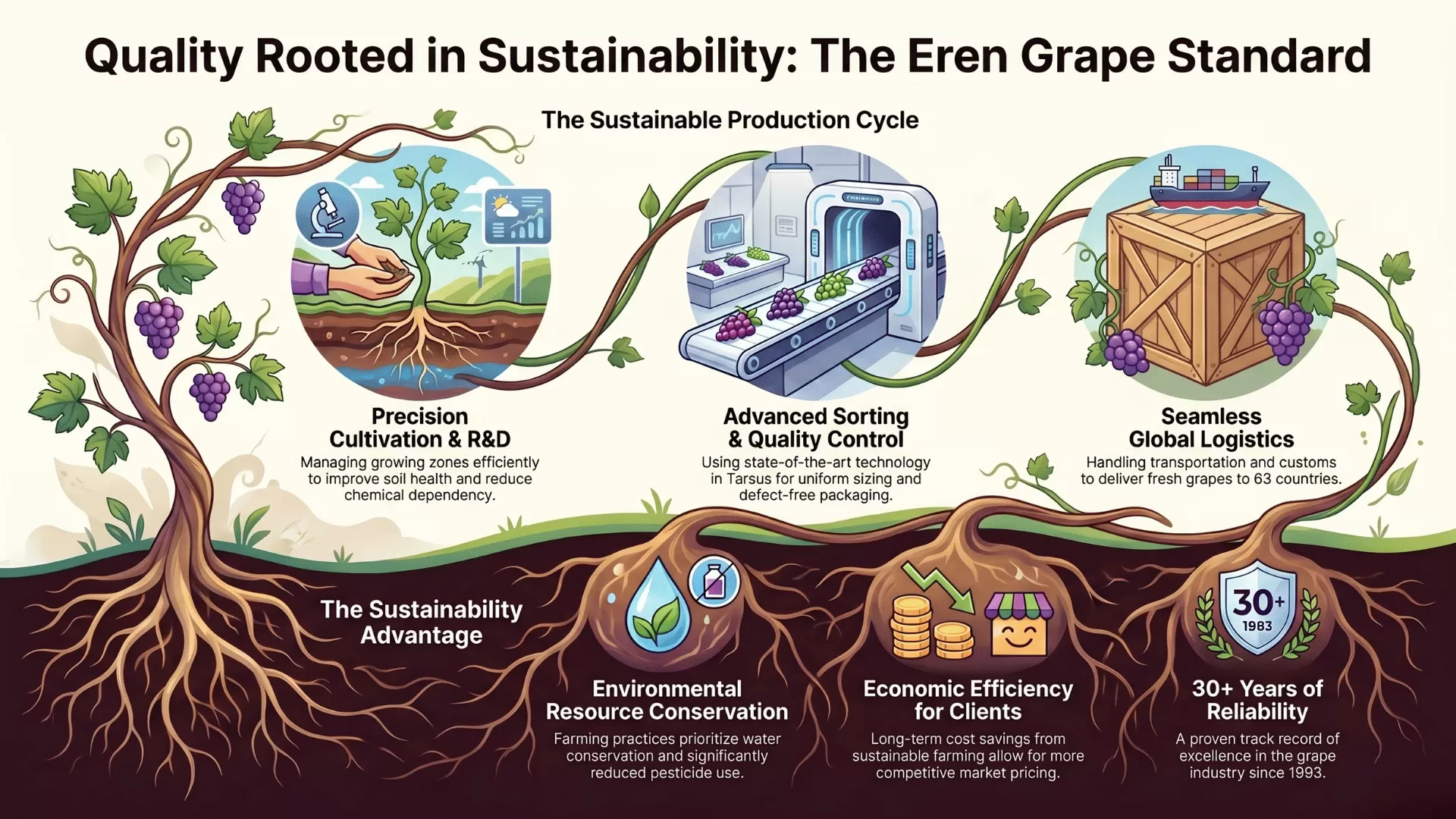
- When is the best time to harvest sweet melons? Melons signal peak ripeness through three key indicators — a sweet aroma developing around the stem end, slight softness of the rind at the blossom end, and a hollow sound when tapped — with the fruit ideally detaching easily from the vine at maximum sugar content, a natural separation signal that Turkish farmers across the hot summer growing season use to identify the precise harvest readiness window for each sweet melon variety.
- What Brix level defines a sweet melon for wholesale buyers? A Brix rating of 12 is considered sweet, while a rating of 16 is exceptionally sweet — choosing varieties known for high Brix ratings, such as the Sakata Sweet Melon renowned for its remarkable sweetness and aromatic flavor, is the first step toward ensuring that wholesale buyers consistently receive the premium flavor quality that retail and foodservice clients demand.
- How does water management at harvest timing affect melon sweetness? Reducing irrigation as melons near ripeness is critical — excess water during the final weeks before harvest dilutes sugar content within the fruit, reducing Brix levels and delivering a less flavorful product to wholesale buyers — making precise irrigation cutback timing one of the most impactful quality management decisions in the final stage of sweet melon cultivation.
Understanding the Optimum Melons' Harvesting Period
Knowing which season melons reach peak sweetness helps companies organize procurement and distribution efficiently. Here is the harvesting period for key melon varieties and producing regions:
- Turkish sweet melon (cantaloupe / Galia) harvesting period: June – September
- Turkish yellow sweet melon harvesting period: July – September
- Turkish white sweet melon / Moon melon harvesting period: July – September
- Turkish honeydew melon harvesting period: August – October
- Spanish / Greek sweet melon harvesting period: May – October

Guaranteed Sweet Melon Supply →
Why Timing is of Essence: How Sweet Melon Cultivation Timing Can Impact Business
Sweet melon wholesale dealers and importers depend on timely procurement of properly cultivated, peak-Brix melons to maximize customer satisfaction and extend shelf life. Growing techniques and harvest timing decisions made in the field directly determine the commercial quality that reaches wholesale buyers and their end consumers.
- Selecting the wrong melon variety — one with naturally lower sugar genetics — or harvesting before Brix levels peak creates a product that consistently underdelivers on flavor, generating customer complaints about disappointing sweetness that damages buyer reputation with supermarket, grocer, and foodservice clients who expect every sweet melon to live up to its commercial description.
- Overcrowding, poor soil preparation, or inadequate nutrient management — particularly insufficient potassium and magnesium that are crucial for photosynthesis and sugar development — results in smaller, less sweet melons with compromised flavor profiles that fail to meet the Brix ratings wholesale buyers need to justify premium melon positioning in competitive retail markets.
- Planting too early or too late, failing to create warm microclimates in cooler growing regions, or mismanaging irrigation by overwatering in the final ripening weeks all dilute melon sugar content and reduce the exceptional sweetness that makes Turkish-origin sweet melons — yellow sweet melon, white sweet melon, and aromatic Sakata-type varieties — premium commodities in European and international wholesale markets.
Global Melons' Market and Industry Trends
Sweet melon cultivation is a vital agricultural practice worldwide — from the fertile fields of Europe to the arid regions of the Middle East, melons are prized for their refreshing taste and nutritional benefits. Turkey's unique hot-summer climate and fertile soils provide ideal conditions for growing the sweetest melon types, with Turkish farmers having perfected cultivation techniques over centuries to produce some of the most delicious and aromatic varieties available in global wholesale markets.
Recent horticultural research insights are driving sweet melon quality improvements across commercial production — with studies confirming that potassium and magnesium-rich organic fertilizers significantly improve melon sweetness by enhancing photosynthesis efficiency, and the role of mycorrhizal fungi in forming symbiotic relationships with melon roots to enhance nutrient uptake and stress resistance now being actively incorporated into advanced Turkish melon cultivation programs. Advanced growing techniques including mini-greenhouses, clear plastic row covers extending growing seasons, black plastic mulch creating warm microclimates, and precise drip irrigation management cutting back at the final ripening stage are all reshaping what premium sweet melon cultivation looks like for the international wholesale buyers who increasingly specify Brix standards in their procurement requirements.
Eren's Methods for Maintaining Quality in Melons' Harvest and Exportation
Eren Tarım, a leading name in the Turkish agricultural sector and a pioneer in sweet melon cultivation, excels in producing top-quality sweet melons — from yellow sweet melon to white sweet melon — using sustainable farming practices and advanced agricultural techniques that deliver exceptional flavor and international-standard quality. Here's why companies prefer working with Eren Tarım for their sweet melon needs:
- Expert variety selection focusing on high Brix genetics — choosing sweet melon strains known for naturally superior sugar content including varieties with Brix ratings of 12 and above, with Sakata-type aromatic melons representing the premium quality benchmark that international wholesale buyers increasingly specify.
- Optimized soil preparation incorporating 4–6 inches of composted manure into melon beds prior to planting, potassium and magnesium-rich organic fertilization programs, and mycorrhizal fungi soil integration — all working together to maximize nutrient uptake, photosynthesis efficiency, and final fruit sugar content.
- Precision irrigation management using drip systems maintaining optimal soil moisture during growth while strategically reducing water in the final ripening weeks — preventing the sugar dilution that compromises Brix levels and flavor delivery in improperly managed sweet melon crops.
- Advanced cultivation techniques including warm microclimate creation, black plastic mulch heat retention, mini-greenhouse and row cover season extension, and careful spacing at 2-foot mound intervals in 6-foot rows — ensuring each plant receives optimal sunlight, nutrients, and air circulation for maximum Brix development.
- Commitment to integrating traditional Turkish melon cultivation mastery with modern technology — from optical sizing and sorting quality control through comprehensive logistics covering trucking, container, reefer, and air cargo to any global destination across Eren's 63 export markets.

Your Reliable Sweet Melon Partner →
Growing the Sweetest Melons: FAQ
- What Brix rating defines a sweet melon? A Brix rating of 12 is considered sweet, while 16 is exceptionally sweet — with varieties like Sakata Sweet Melon known for their remarkable sweetness and aromatic flavor representing the premium Brix benchmark that commercial wholesale buyers and demanding retail clients increasingly specify as a quality standard for premium melon sourcing.
- Why is irrigation management critical for melon sweetness? Excess water during the final ripening weeks dilutes the sugar content within the fruit — reducing Brix levels and delivering a less flavorful product to wholesale buyers — making strategic irrigation cutback as melons approach full size one of the most impactful single quality decisions in the entire sweet melon cultivation process.
- How do soil nutrients affect sweet melon Brix levels? Potassium and magnesium-rich organic fertilizers significantly improve melon sweetness by enhancing photosynthesis efficiency — with 4–6 inches of composted manure incorporated into beds before planting and mycorrhizal fungi soil integration improving nutrient uptake and stress resistance, all working together to maximize final fruit sugar content and flavor quality.
- What growing techniques help maximize sweet melon quality in commercial production? Key techniques include selecting high Brix variety genetics, creating warm microclimates with black plastic mulch and row covers, planting in well-spaced mounds for optimal air circulation, using drip irrigation to maintain consistent moisture without overwatering, and extending growing seasons with mini-greenhouse covers removed during flowering for pollinator access.
- What sweet melon varieties does Eren Tarım offer for wholesale export? Eren Tarım's sweet melon portfolio covers yellow sweet melon, white sweet melon, Moon melon specialty varieties, cantaloupe, Galia melon, and honeydew — all available with Brix-focused quality management and customized packaging options across the full Turkish sweet melon harvest season from June through October.
- How does Turkey's climate contribute to superior sweet melon quality? Turkey's unique hot summers, abundant sunshine, and fertile soils provide ideal conditions for cultivating sweet melons — with Turkish farmers having perfected cultivation techniques over centuries and modern agricultural science including mycorrhizal fungi programs and precision irrigation now elevating Turkish sweet melon Brix levels to the international premium standards that wholesale buyers across 63 export markets consistently prefer.
Preserving Quality After Harvest
Once harvested at peak sweetness, post-harvest care is essential to preserve Brix levels, aroma, and texture through to the marketplace.
- Sweet melons harvested at natural vine-separation stage should be stored in temperature-controlled environments immediately — each variety requires specific optimal storage temperature and humidity management to preserve the aromatic compounds and sugar levels that define premium sweet melon quality at destination markets.
- Adequate packaging including pair formats, slice-display options, plastic boxes, and carton formats reduces bruising and moisture loss during transit — preserving the intact rind, vibrant flesh color, and characteristic sweet aroma that premium wholesale sweet melon buyers require upon delivery.
- Reefer container shipping is essential for long-distance sweet melon export, maintaining the optimal temperature range that preserves Brix levels, natural sweetness, and refreshing texture from Turkish growing regions to any global wholesale market destination.
Eren Keeps Your Melon Value Chain in Style
Collaborating with a mature and experienced sweet melon cultivator and exporter ensures a seamless value chain, from Brix-optimized harvest through to global distribution. Eren Tarım provides full support to enable efficient fresh produce imports for companies worldwide.
- Tailored packaging and labeling options according to target marketplace and melon variety.
- Optimum logistics through reefer shipping, container transport, and air cargo options.
- Thorough Brix-focused quality assurance processes ensuring only the sweetest Turkish sweet melons reach global buyers all season long.
Partnering with Eren Tarım opens doors to the sweetest Turkish melons, sound logistics, and centuries of cultivation expertise to maintain a successful business. Let's join hands and deliver the most flavorful sweet melons to your marketplace all season long.